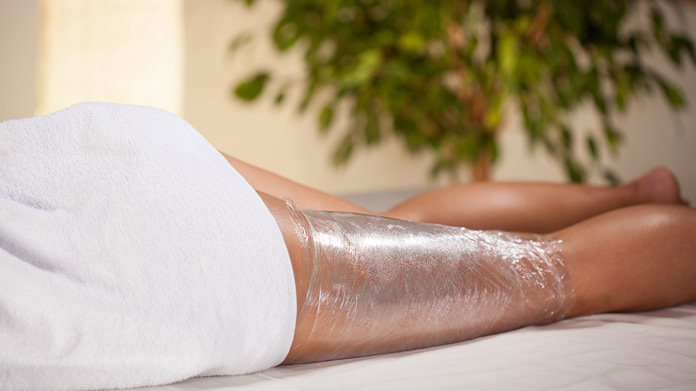
Part 1 - How to Start a Body Wrap Spa - Background
A body wrap spa offers a defined cosmetic service in which a product or presoaked material is applied and wrapped around parts of the body. Products, application steps and any warming equipment differ, so choose the exact service and obtain appropriate product, safety and practitioner-scope review before offering it.
Keep cosmetic service descriptions separate from medical or weight-management promises. FTC guidance specifically identifies substantial weight-loss claims for wraps and similar skin-applied or worn products as false. Objective benefit claims require suitable evidence; a relaxing setting or vendor testimonial does not establish systemic health effects.
Our guide is in 3 parts:
- Part 1 - How to start a Body Wraps business - Background
- Part 2 - Our planner tool to see if this idea is the right fit for you
- Part 3 - Action plan to get started
What are the costs involved in opening a body wrap spa?
There are a number of expenses you will incur while setting up your new business. When planning your budget, consider the following:
-
Minerals and herbs
-
Body wrap supplies, such as blankets, sheets, bandages, and heat blankets
-
Specialized chairs/massage tables—consider purchasing gently used or inexpensive furnishing to start, upgrading as the business starts to grow
-
Cleaning products
-
Brick and mortar—Invest in a location that is easily accessible with ample parking.
-
Furniture for reception and retail areas
-
Business permits and insurance
-
Website—this does not have to be a complicated site, but it should provide information regarding you and your staff’s background, services, and pricing sheet
-
Marketing strategy and materials
Turn these inputs into an illustrative quote worksheet for the actual room count and service: site deposits/build-out/access, appropriate equipment and installation, product/formula review, consultation and service training, laundering/sanitation, permissions, insurance, booking/payment systems, marketing and working cash. Check equipment condition, instructions and commercial suitability before buying used furnishings or heat equipment. A room-based service and a full day spa require different budgets.
As a scoped November 2026 comparison, Spavia’s franchisor cost summary publishes a $479,450–$885,450 estimated initial investment for its full day-spa franchise and a $59,500 initial franchise fee, citing its 2026 FDD. Its published ongoing charges include a 6% gross-sales royalty and 1% brand fund contribution. Review the full current FDD and assumptions before evaluating that model; these are not independent wrap-studio costs, and included additional funds do not establish a break-even date.
For the defined nonmedical cosmetic spa, 812199 is the relevant day-spa category in the Census manual. Added medical, massage, weight-reduction counseling or product-making activities require separate analysis.
What are the ongoing expenses for a body wrap spa?
Budget for the following ongoing expenses when considering a body wrap business start-up:
-
Marketing supplies
-
Lease, utilities, phone, and other administrative fees
-
Payroll, taxes, and employee benefits
-
Insurance
-
Replenishment of spa supplies
-
Maintenance and cleaning of equipment
-
Continuing education
Specific costs vary depending upon your location, number of employees, and number of services offered.
Who is the target market?
Define customers seeking a cosmetic spa experience that your actual products, training and lawful scope can support. Use an illustrative validation plan: test paid bookings, price, repeat use and service preferences among reachable local customers. Position medical pain concerns and weight-management needs for appropriate qualified care rather than selling an unsupported detox or healing promise. FDA explains that a product’s intended use and claims can change its regulatory status.
How does a body wrap spa make money?
A body wrap spa makes money from clients with appointments, as well as walk-in clients, all of whom pay for body wrapping services.
How much can you charge customers?
Compare the actual product, consultation, service duration and inclusions. As one scoped November 2026 offer, Chicago Body Contouring posts $170 for a 45-minute cold wrap or 60-minute warm wrap, and $425 for three wraps. This is one provider’s advertised service, not a national price or evidence supporting its benefit claims.
Set your price from the full appointment cycle: consultation, preparation, service/removal, cleaning, laundry, documentation and required supervision. Include materials, labor, payment fees and any commission. Packages should state booking, cancellation and refund terms clearly and fund all promised sessions.
How much profit can a body wrap spa make?
Use an illustrative model: completed sessions times realized receipts, less consumables, laundry, cleaning/turnover, variable labor, fees and commissions, gives contribution. Deduct site costs, scheduled staffing, insurance, systems, marketing, training and administration, treating owner compensation consistently before residual profit.
Divide fixed commitments by contribution per completed session to estimate operating break-even. Check the required sessions against realistic paid demand, room capacity and the full appointment cycle. Forecast stock/equipment payments, deposits, packages not yet redeemed, refunds and reserves separately; startup-cash recovery depends on cumulative cash after that investment.
How can you make your business more profitable?
Test service scheduling, repeat bookings and carefully scoped complementary offers against full costs and capacity. Retail, custom blends, additional services and training programmes add their own responsibilities. Before making or selling products, assess formula safety, labels, claims and the business’s actual product role. FDA’s intended-use guide explains why therapeutic or structure/function claims may trigger drug requirements.
Confirm practitioner/site authorization, competent supervision and any education-provider requirements before expanding. Extra revenue is useful only when contribution can cover the added labor, safety, compliance and cash commitments.
Day-to-Day and Growth
What happens during a typical day at a body wrap spa?
A body wrap spa needs a structured schedule for consultation, service, cleaning and records. Prepare product/equipment instructions, appropriate screening and consent, sanitation and incident-escalation procedures with competent support. Document actual claims and product roles; FDA’s framework does not treat cosmetic marketing as authorization for therapeutic claims.
The following items will require you and your staff’s attention on a regular basis:
-
Consulting with clients regarding their treatment goals
-
Scheduling appointments
-
Performing wrapping services
-
Educating customers regarding proper aftercare
-
Cleaning and maintaining all spa equipment
-
Replenishing inventory, placing orders as needed
-
Analyzing current marketing efforts, modifying strategy when necessary
-
Educating staff, managing their human resources needs, and managing their schedules
-
Billing, accounting, and administrative duties
What are some skills and experiences that will help you build a successful body wrap spa?
Develop practical competence in the exact service, product/equipment instructions, sanitation, client communication, privacy, scheduling and cost control. Obtain qualified advice on client suitability and when to postpone, stop or refer concerns. Training or a vendor certificate does not itself establish a health benefit or legal authority to perform every spa procedure.
Check the actual jurisdiction and service steps. For example, Florida’s 2026 statute exempts a person working solely within its defined body wrapping from Chapter 477 licensing/registration. The definition is narrow: it excludes added fluids beyond presoaked wrap materials and tissue manipulation beyond wrap compression. Other skin-care, massage or medical work and establishment requirements need their own review; this example is not permission for every state or technique.
Business management also requires clear communication, attention to detail, budgeting, records and efficient use of staff and room time.
What is the growth potential for a body wrap spa?
Use an illustrative local validation plan: measure paid completed bookings, repeat use, cancellations, complaints, contribution and room/staff capacity. Test additional hours or services against their full costs and permissions before expanding. Each new site needs its own demand and cash plan; broader spa activity does not establish financial security for a wrap business.
What are some insider tips for jump starting a body wrap spa?
Consider the following industry advice for starting and managing the business:
-
There are three things that will help define your success—the quality of customer service delivered, proper marketing, and setting business goals.
-
Keep in mind that, regardless of their personal health goals, your clients are there to relax. Pamper them and offer hours that accommodate their needs.
-
Take pride in your business venture by keeping up with the latest industry trends and offering a level of service above your competitors.
-
Ask for customer feedback and take action.
How and when to build a team
Build coverage for actual consultation, wrapping, cleaning/laundry, stock, booking and administration work. Assign hands-on services only to people with the competence, authorization and supervision required for those tasks and that jurisdiction. Reception or bookkeeping roles do not automatically require the practitioner credential. Student status alone does not authorize independent regulated treatment. Schedule relief, training and incident responsibilities as well as paid service time.
Part 2 - Is this business right for you?
Business Evaluation & Strategy Tool
We'll walk you through the four pillars every business needs: Points of Leverage, Marketing Strategy, Financial Model, and Personal Compatibility. At the end you'll see a personalized report and your action plan below will be tailored to your answers.
This guide's benchmarks are under editorial review. Enter your own figures and choose the assumptions that fit your business.
Step 1 of 4 — Points of Leverage
Every viable business has natural advantages. Below are common leverage points across four categories. Pick the ones that apply to your Body Wraps business.
Step 2 of 4 — Marketing Strategy
Without a way to connect with customers, even great businesses fail. Pick the channels you plan to use to reach your customers.
Step 3 of 4 — Financial Model
Enter your monthly baseline costs — the minimum overhead to keep the business running. Then we'll estimate how many customer transactions would cover that overhead before variable costs.
Step 4 of 4 — Personal Compatibility
A business that doesn't fit your life will fail no matter how good the numbers look. Tell us how this business fits you.
Your Body Wraps Evaluation Report
Complete the four pillars and your personalized summary will appear here.
Points of Leverage
Marketing Strategy
Financial Model
Personal Compatibility
Part 3 - Your business launch action plan
Before committing to launch costs, test your business idea with potential customers. Use the free worksheet to record the offer, evidence and next decision.
Nine concrete steps to take you from idea to open business, grouped into 30-day phases. Adjust the phases to fit your funding, permits, and operating needs. Complete the planner above and we'll highlight what's most important for your situation.
First 30 days — Foundation
-
Choose a permitted business structure
Compare structures permitted for your activity, location, ownership and tax situation. Professional practices can have special entity and ownership rules. Check those requirements before filing; an LLC does not protect against every kind of personal liability.
-
Check tax IDs and registrations
Determine whether you need an EIN based on ownership, tax treatment, employees and applicable tax obligations. Some sole-owner businesses do not need one for federal income-tax purposes, while a bank or state may still require it. Apply directly with the IRS when needed and check applicable state or local registrations.
-
Separate business finances
Choose an appropriate business account and keep clear financial records. Separating business and personal transactions supports bookkeeping and entity formalities. Banks have their own eligibility and documentation requirements; a separate account is not a guarantee against personal liability.
-
Set up business accounting
Recording expenses and income from day one makes tax filing easier and lets you see when the business is actually profitable. Use software (QuickBooks, Wave) or a part-time bookkeeper.
Days 30–60 — Compliance & Risk
-
Get permits and licenses
Check the authorities responsible for your business activity and operating location. Professional authorization, tax registration, facility permits and product requirements are different questions. Online or mobile operations can still have licensing and other regulatory obligations.
-
Get business insurance
Identify the risks and coverage obligations for your activities, workers and location. Review applicable liability, property, professional or product coverage and workers’ compensation with the relevant state authority and a licensed insurance professional. Required coverage varies by jurisdiction and operation.
Days 60–90 — Launch
-
Define your brand
Choose a name, message and visual identity that help your intended customers understand the business. Check relevant name and trademark requirements before investing in a brand; a logo or business-name registration alone does not establish complete legal protection.
-
Create your business website
Choose a web presence that fits how your customers research and buy. A website can explain your offer, support inquiries or sales, and connect your marketing channels. Plan the content, accessibility, privacy and maintenance requirements for the features you need.
-
Set up your business phone system
Choose a customer-contact setup that fits your sales and service process. Compare current provider terms, business-use eligibility, routing features and ongoing costs, and decide how you will keep personal contact details separate.