Startup cost
$25k–$100k
TRUiC Business Ideas
Decision Snapshot
Idea Score
66
Startup cost
$25k–$100k
Profit margin
28%
Break-even
4 mo–12 mo
Time to launch
12 wk–36 wk
Demand trend
Stable
5-yr failure rate
—
Capital intensity
High
Time commitment
Flexible
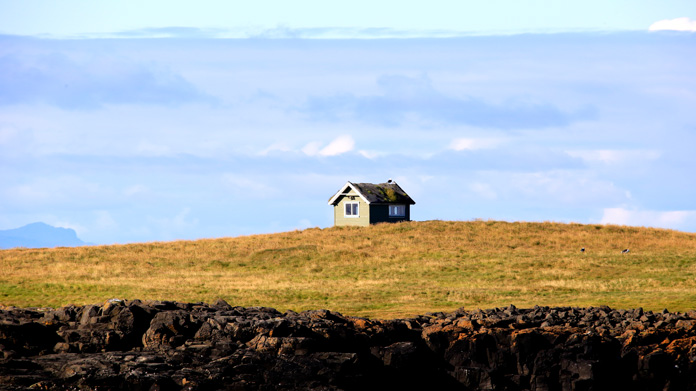
Tiny houses are all the rage. These uber-small homes have just enough space for a minimalist individual or small family. A tiny house business builds, sells and/or rents tiny houses to those looking for a place to live or stay.
You may also be interested in additional unique business ideas.
Our guide is in 3 parts:
The building materials are the primary expense. The construction of tiny houses requires an array of materials ranging from wood to nails, bricks, lighting, appliances, flooring and so on. An office for administrative functions will also be necessary. Your office needs computers, printers, desks, chairs and high-speed Internet. You will also need a team of tiny home builders to construct these cute little houses. Some tiny house builders buy the property upon which tiny houses are built. If you plan on purchasing such property before constructing the tiny houses, be sure to budget for these costly acquisitions of land.
The cost of labor is one of the major tiny house business expenses. Your tiny house builders will require a wage of at least $12 to $15 per hour if not more. The construction foreman/manager will require a salary in the range of $45,000 to $100,000. You will have to hire a receptionist, administrator, marketing professional and accountant as time progresses. A receptionist and administrator will earn between $10 and $15 per hour. Marketing and accounting professionals typically earn between $35,000 and $55,000 per year.
You will need an office to conduct your tiny house business. This space will likely cost between $700 and $1,500 per month depending on its size and location. Utilities and high-speed Internet will cost between $150 and $250 per month. Budget in another couple hundred dollars per month for insurance. Constructing tiny homes requires building materials. The cost of these materials hinges on the number of tiny homes you plan on building. You will likely spend between $2,000 and $20,000 or more for each tiny house’s building supplies. The exact cost hinges on the size of the tiny home along with its appliances and luxuries. If you plan on buying property and then building tiny homes on the land you purchase, your budget will be exponentially higher. Though tiny houses are small, the land upon which they are built can cost anywhere between $10,000 and $50,000 or more.
The ideal customer is an individual with an expansive budget and a desire for an upscale tiny home. In some instances it is possible to sell several tiny homes to a real estate investor who intends to “flip” those properties or use them as tiny house rentals/hotels.
Tiny house businesses make money by selling tiny homes to buyers. It is also possible to rent out tiny houses.
Tiny houses sell in a price range between $5,000 and $50,000 or more. The exact price depends on the size, location, and amenities within the house. These diminutive homes are quite appealing to a wide variety of audiences. If you decide to rent out your tiny home as a hotel of sorts, you can charge upwards of $100 to $200 per night. People are willing to pay good money for a brief stay in a tiny house in order to determine if this style of living is appealing and also to find out what all the fuss is over.
A tiny house business has the potential to make six figures right off the bat. The amount of profit your tiny house business makes hinges on overhead costs, the number of properties your team can build and the state of your local real estate market. Keep building and selling tiny homes and it is possible to turn your business in a multi-million dollar enterprise within half a decade.
If you have a tiny home on the market that few (or no) people bid on, consider renting it out. It is also possible to rent tiny houses as hotels. If you understand the intricacies of tiny house construction, you can make extra money by teaching others how to build these highly unique structures.
A tiny house business owner orders building materials, manages builders, secures plots of land, buys/sells tiny homes and establishes relationships with suppliers. Some tiny house business owners even handle the accounting and marketing duties until the business reaches the point where professionals can be hired to handle these responsibilities.
Knowledge of home construction with a particular focus on tiny house construction will certainly help. Those who are familiar with the real estate nuances of their area will have a firm grasp on the local codes that apply to tiny houses and the best places to build these homes. It will also help to be a savvy marketer. Though many tiny homes sell themselves, making target customers aware of your tiny homes for sale is critically important.
Tiny houses are as en vogue as it gets. Just about everyone wants to spend a night in a tiny house. Plenty of millennials are interested in these diminutive homes as permanent living spaces. Even baby boomers looking to downsize are interested in tiny houses. The potential for growth is exponential. If you build or acquire tiny homes in the next half-decade, they will almost assuredly sell at a profit. Capitalize on this trend now and you will be able to grow your tiny home company into a business empire across posterity. It is likely that tiny houses will remain popular far into the future as the population increases, space becomes more limited and traditional home values continue to soar.
Become familiar with your local building codes. Find out the specific regulations in your jurisdiction that pertain to tiny house construction, location and living. Hire your building team with care. Only select builders who understand the nuances of tiny home construction. If you aren’t sure where to start and do not have experience with tiny houses, it is advisable to attend at tiny home workshop.
You will need a team of tiny house builders right away. You can’t build all these houses yourself. Furthermore, it will help to hire a real estate agent or tiny home expert to help you show the tiny houses you have for sale. If you do not want to answer the phone calls of prospective buyers throughout the day, it will be necessary to hire a receptionist. Hold off on hiring a marketing professional, accountant and administrator until your business ramps up.
Read our tiny house business hiring guide to learn about the different roles a tiny house business typically fills, how much to budget for employee salaries, and how to build your team exactly how you want it.
Business Evaluation & Strategy Tool
We'll walk you through the four pillars every business needs: Points of Leverage, Marketing Strategy, Financial Model, and Personal Compatibility. At the end you'll see a personalized report and your action plan below will be tailored to your answers.
Every viable business has natural advantages. Below are common leverage points across four categories. Pick the ones that apply to your Tiny House business. We've pre-suggested a few based on your idea — review and adjust.
Without a way to connect with customers, even great businesses fail. Pick the channels you plan to use to reach your customers.
Enter your monthly baseline costs — the minimum overhead to keep the business running. Then we'll calculate how many sales per month you need to break even.
A business that doesn't fit your life will fail no matter how good the numbers look. Tell us how this business fits you.
Complete the four pillars and your personalized summary will appear here.
Nine concrete steps to take you from idea to open business, grouped into 30-day phases. Complete the planner above and we'll highlight what's most important for your situation.
An LLC keeps your personal assets separate from business debts and lawsuits — the most common reason small business owners choose this structure. Sole proprietorships and partnerships do not provide this protection.
Apply for your free Employer Identification Number through the IRS, then register for any state or local taxes that apply to your business (sales tax, franchise tax).
A dedicated business account is required to maintain personal asset protection. Mixing personal and business finances ('piercing the corporate veil') can void your LLC's liability shield.
Recording expenses and income from day one makes tax filing easier and lets you see when the business is actually profitable. Use software (QuickBooks, Wave) or a part-time bookkeeper.
State and local requirements vary widely. Brick-and-mortar businesses typically need a Certificate of Occupancy; service businesses may need specific professional licensing; food businesses need health permits.
General Liability Insurance is the most common starting point. If you'll have employees, most states require Workers' Compensation. Specific industries need additional coverage (product liability, professional liability, etc.).
Your brand is how customers perceive and remember you. A clear name, logo, and visual identity make every later marketing decision easier and protect you legally as you grow.
Every legitimate business needs a website. Social media pages are not a substitute — you don't own the platform. Modern website builders mean you can launch a clean site in a weekend without a developer.
A dedicated business number keeps your personal life private, makes the business look legitimate, and lets you route calls professionally. Cloud phone services start under $20/month.
Starting a Tiny House business typically costs $25,000 to $100,000. It is considered a high capital-intensity business.
A Tiny House business runs roughly a 28% net profit margin, and most owners reach break-even in about 4 to 12 months.
You can usually launch a Tiny House business in about 12 to 36 weeks, and it is commonly run flexible.
A Tiny House business is generally an intermediate-skill business to start, with stable demand. TRUiC rates it 66 out of 100 on our Idea Score.
Most Tiny House businesses register as an LLC or other legal entity and obtain a general business license. Depending on your state and city you may also need industry-specific permits, sales tax registration, and zoning or health approvals, so check your local requirements before you launch.