Startup cost
$25k–$50k
TRUiC Business Ideas
Decision Snapshot
Idea Score
68
Startup cost
$25k–$50k
Profit margin
27%
Break-even
9 mo–24 mo
Time to launch
12 wk–36 wk
Demand trend
Stable
5-yr failure rate
—
Capital intensity
High
Time commitment
Full time
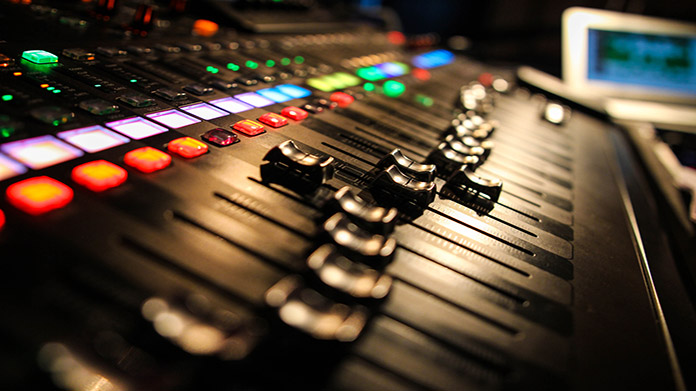
A recording studio is useful for recording music, sound effects, and voice-overs used for advertisements, animation, and soundtrack dubs in different languages. A recording studio may also serve as a place to teach and train others the audio-engineering skills necessary to make quality recordings.
Our guide is in 3 parts:
E-Home Recording Studio has a free guide to starting a home studio. Below is a list of the basic equipment needed to start a recording studio business with a home studio (budget is less than $1,000):
Computer
DAW/Audio Interface Combo
Connectors and Cables
Studio Monitors
Headphones
Microphone Stand
Microphones
Pop Filter
Software
Below is a list of the essential equipment needed to start a professional recording studio business with a commercial studio (budget $25,000 to $50,000):
Computers
DAW/Audio Interface Combos
Connectors and Cables
Cable Snakes
Patch Board
Studio Monitors x 6
Amplifiers x 4
Crossovers x 4
Speakers x 8
Headphones x 10
Microphone Stands x 15
Microphones x 15
Pop Filters x 5
Mobile Sound-Dampening Panels
Digital Mixing Board
Software
Staff expenses and equipment payments typically use about half the revenues. Rent is usually 20% of the gross revenues. This leaves about 30% of the gross revenues as profits before taxes. In this example, the profits would be $48,780 per year.
Online, there is a real example of income and expenses for a six-figure home recording studio showing slightly smaller numbers for its operations during 2014.
Typical day-to-day expenses include electricity cost, rent, overhead, and staff costs. Running lots of equipment and air-conditioning represents a major electrical expense. Marketing expenses are ongoing, and include paying to go out to clubs, attending concerts, and music festivals to meet musicians. To find new business, it is important to have staff post ads on Craigslist, review freelance job postings, and to contact advertising agencies and production companies to find work. Be sure to have enough property and casualty insurance to cover equipment and damage to facilities in case of a total loss.
For security and protection of the valuable recordings, pay ISPs to store at least two real-time, backup copies of all work and work in progress, at off-site, fireproof facilities in different geographical locations. Read this article for details about maintaining secure backup copies of the work done at the recording studio.
For music recording, the clients are musicians. For animation voice-overs, the clients are television and film production houses. For translation dubs, the client is any commercial enterprise with videos online that wants to expand marketing efforts to include foreign languages. This is an excellent niche for a freelance worker with a home recording studio because jobs are readily available and posted on freelance systems online.
Clients pay standard rates for studio use, charged by the hour and sometimes for the equipment used during each recording session. Additional hourly charges cover support technicians, which consist of at least one qualified audio engineer with expert knowledge of how to operate the equipment. Session players and background singers are usually available for an additional hourly rate per person. Discount rates exist for extended rental periods.
Products created in the studio sell online at competitive prices. iTunes downloads of songs retail for an average of $0.99 per song download, with about $0.70 commission paid for each sale, if the songs go on iTunes through a qualified digital distribution company such as Tunecore. Tunecore charges fees for its services. There is a one-time administration fee for the music publishing and a set annual distribution fee for each song or album. Music CDs sell through websites, eCommerce systems like Shopify, and on Amazon. The sell for an average price of $8 to $10 plus S&H. Here is a beginner’s guide for selling on Amazon. Profits for selling music CDs online are $2.50 to $4.50 each after deducting fulfillment costs. Downloads sell more easily than physical CDs.
Hourly rates for a decent professional recording studio start around $20 per hour with discounts for booking and prepaying blocks of time. Discounted monthly rates to reserve an entire studio are usually also offered.
If the recording studio books someone to work on a project, the recording studio takes a fee that is a portion of the hourly booking rate charged for an individual. This fee charged by the recording studio is about 10% to 20% of the hourly rate. This deduction from the hourly rate goes to the recording studio and the balance goes to the individuals.
For example, if a session musician is booked at a $15 hourly rate by the recording studio, the musician gets $12 per hour from the $15 available, and the recording studio gets a 20% commission or $3 per hour for that musician’s work.
If a recording studio books a top music producer, the recording studio gets a booking fee of 10% of the amount the producer charges. For example, if the producer’s fee for the project is $100,000 and the recording studio found the job for them, the recording studio gets a 10% ($10,000) commission from that producer’s fee.
The booking rate for a professional audio engineer starts at $15 and goes up to $45 per hour. The booking rate for session musicians and background singers is about $15 per hour. Booking rates for talented music producers start at $50 and go up to $150 per hour. Top producers, who are hit-makers, command hundreds of thousands of dollars.
Successful studios operate at 50% or greater booking of paid studio time. This means at least 12 hours each day and 94 hours per week, with the average “all-in” studio revenues of $37 per hour. This generates $13,505 in gross revenues each month or $162,060 per year.
The key to success with a recording studio is to keep overhead low and earn revenues from multiple sources. Revenues may come from doing recording work and projects for others, creating products that sell, and teaching others how to use the equipment.
A sideline business for a recording studio is to provide sound reinforcement rental systems, such as amps, speakers, microphones with stands, and a mixing board for live performances. Offering both live and in-studio services increases contact with potential clients, which helps to grow a successful recording studio business.
The activities of a recording studio include:
Marketing Efforts to Find Clients – A recording studio needs a steady flow of clients to be profitable. A professional recording studio needs to generate revenues at least 50% of the 24-hour day to be successful. The equipment is under-utilized if there is less than this amount of activity. This is why recording studios offer discounted “block-time” bookings of multiple recording hours during the least-used times of day in order to create steady cash flow.
Marketing efforts include:
Going out to meet musicians and bands
Posting ads on Craigslist about the recording studio’s services
Contacting advertising agencies and television or film production companies to get work assignments
Seeking paid freelance jobs by replying to freelance job posts on online freelance systems (advertising jingles, audio dubs for videos, and other recording or sound editing work)
Conducting Recording Sessions – Setting up the studio for a recording session by placing/positioning microphones on stands and setting up amps and monitors as needed. Checking to make sure all the equipment is operating perfectly. Booking any audio engineers, background singers, and support musicians as required for the session and making sure that they arrive on time for the session. While the recording sessions are in progress, the important job is to take care of all the client’s needs.
Marketing the Output of the Recording Studio – This includes sales efforts for any creative product produced at the studio, such as music CDs, song downloads, ringtones, and training materials. Examples of this effort include uploading music for digital downloads to iTunes and posting products for sale on Amazon, and then managing order fulfillment.
Conduct Training Sessions – A recording studio is useful for teaching classes in audio engineering in order to create extra revenues when the studio is not booked for recording sessions.
Maintaining the Equipment and Facilities – Equipment needs to be in good working order at all times. The facilities need cleaning each day in order to attract paying clients.
The most important skill is to be a “people” person, who enjoys contact with many people. This helps immensely to create a “scene” that becomes the attraction for using a particular recording studio.
The special skills needed for music recording include having a love for music, a good ear for music, and the technical skills necessary to operate the equipment and computer software.
Audio engineers may have a degree from a university or a technical school; however, talent and competence using the equipment matter more than degrees. Many recording engineers are self-taught.
Managing the accounting for the business is done using small business accounting software such as Quickbooks combined with time management/time-tracking software such as Toggl.
There are continuing education and training courses for new equipment and new releases of digital recording software such as those offered by Pro Tools, which is a very popular audio recording software program. Certification in Pro Tools is available.
Check out educational videos on YouTube, such as the classes and instructional videos offered by Vince Casas.
Audio engineers can join the Audio Engineering Society (AES) to network with other professionals in the field and attend conferences for continuing education.
Some musicians, such as Justin Bieber, started with a modest home recording studio. He posted videos on YouTube, was discovered by talent manager Scooter Braun, and then became internationally famous. This is rare, but it does happen.
A recording studio may be part of a record label that promotes certain musicians, music styles, and bands. An example is PayDay Music Group that is an amazing success with the DanceHall and Reggae music styles.
A freelancer may be very happy and make a nice income by using a simple home recording studio setup to make voice-over recordings for animation or translation dubs for videos.
The largest facilities for recording studios are the ones that cater to recording soundtracks for major motion picture films. These studios are massive and can record live full orchestras. There are not many of them, but the ones that do exist have annual revenues in the millions of dollars.
Business Evaluation & Strategy Tool
We'll walk you through the four pillars every business needs: Points of Leverage, Marketing Strategy, Financial Model, and Personal Compatibility. At the end you'll see a personalized report and your action plan below will be tailored to your answers.
Every viable business has natural advantages. Below are common leverage points across four categories. Pick the ones that apply to your Recording Studio business. We've pre-suggested a few based on your idea — review and adjust.
Without a way to connect with customers, even great businesses fail. Pick the channels you plan to use to reach your customers.
Enter your monthly baseline costs — the minimum overhead to keep the business running. Then we'll calculate how many sales per month you need to break even.
A business that doesn't fit your life will fail no matter how good the numbers look. Tell us how this business fits you.
Complete the four pillars and your personalized summary will appear here.
Nine concrete steps to take you from idea to open business, grouped into 30-day phases. Complete the planner above and we'll highlight what's most important for your situation.
An LLC keeps your personal assets separate from business debts and lawsuits — the most common reason small business owners choose this structure. Sole proprietorships and partnerships do not provide this protection.
Apply for your free Employer Identification Number through the IRS, then register for any state or local taxes that apply to your business (sales tax, franchise tax).
A dedicated business account is required to maintain personal asset protection. Mixing personal and business finances ('piercing the corporate veil') can void your LLC's liability shield.
Recording expenses and income from day one makes tax filing easier and lets you see when the business is actually profitable. Use software (QuickBooks, Wave) or a part-time bookkeeper.
State and local requirements vary widely. Brick-and-mortar businesses typically need a Certificate of Occupancy; service businesses may need specific professional licensing; food businesses need health permits.
General Liability Insurance is the most common starting point. If you'll have employees, most states require Workers' Compensation. Specific industries need additional coverage (product liability, professional liability, etc.).
Your brand is how customers perceive and remember you. A clear name, logo, and visual identity make every later marketing decision easier and protect you legally as you grow.
Every legitimate business needs a website. Social media pages are not a substitute — you don't own the platform. Modern website builders mean you can launch a clean site in a weekend without a developer.
A dedicated business number keeps your personal life private, makes the business look legitimate, and lets you route calls professionally. Cloud phone services start under $20/month.
Starting a Recording Studio business typically costs $25,000 to $50,000. The largest cost is usually equipment. It is considered a high capital-intensity business.
A Recording Studio business runs roughly a 27% net profit margin, and most owners reach break-even in about 9 to 24 months.
You can usually launch a Recording Studio business in about 12 to 36 weeks, and it is commonly run full time.
A Recording Studio business is generally an intermediate-skill business to start, with stable demand. TRUiC rates it 68 out of 100 on our Idea Score.
Most Recording Studio businesses register as an LLC or other legal entity and obtain a general business license. Depending on your state and city you may also need industry-specific permits, sales tax registration, and zoning or health approvals, so check your local requirements before you launch.