Startup cost
$50k–$500k
TRUiC Business Ideas
Decision Snapshot
Idea Score
53
Startup cost
$50k–$500k
Profit margin
27%
Break-even
18 mo–36 mo
Time to launch
2 wk–12 wk
Demand trend
Stable
5-yr failure rate
—
Capital intensity
Very high
Time commitment
Full time
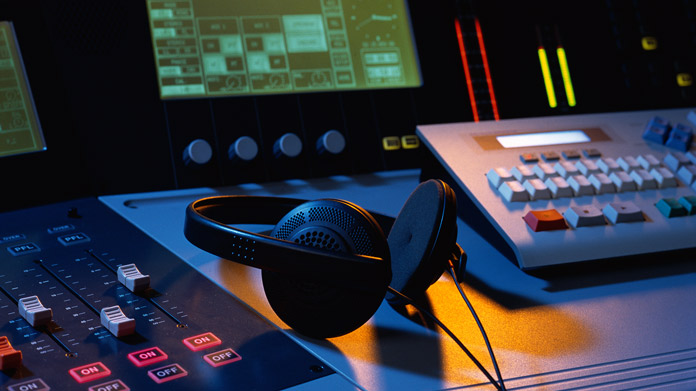
Many radio stations choose to specialize in a specific kind of format, such as music. The revenue model for radio stations depends on making money via advertisements, so it is important to cater your programming to the specific demographic you are trying to appeal to.
Our guide is in 3 parts:
The costs involved with starting a radio station depend greatly on the type of station you want. For instance, you can start an internet radio station for almost nothing by using equipment you already have—the only cost comes from the time and money spent creating programming. You can also create a low-power FM radio station for under $15,000, which includes all of the equipment you need. The problem with both of these approaches is that they are non-commercial, so you won’t see a return on your investment aside from getting your material on the air.
Commercial radio stations are much more expensive, starting with the equipment. For instance, the radio transmission systems (including the Digital Capable Analog Transmitter and IBOC transmitter) cost approximately $515,000, and buying a standby generator adds a minimum of $10,000 to this cost. Radio test equipment, including Digital audio test set and laptop, is approximately $18,000. The cost to set up an on-air control room (including all equipment and labor) is appropriately $164,000, and the cost of a production control room (including audio console and editing system) is approximately $105,000. Finally, the cost for a news control room is approximately $12,000. Note that these costs do not include the cost of buying land and building facilities, both of which will vary based on region and facility size. A fuller breakdown of the individual equipment comprising these costs is provided in the links below.
Read our radio station purchasing guide to learn about the materials and equipment you’ll need to start a radio station, how much to budget, and where to make purchases.
The exact cost of ongoing expenses depends on the size of your station, your team, and how much original programming you create. One small radio station, however, can easily cost $900,000 or more a year in ongoing expenses. This includes creating programming, the cost of broadcasting, fund-raising, and paying for management and a relatively small staff.
A radio station doesn’t have typical business customers so much as it has listeners. The preferred listeners are those who listen continuously and often to your station. As such, your best clients will be commuters who are on the road a lot and looking for entertainment. In a different sense, advertisers are also your clients, as you want to attract them to your station in order to make more profits.
While there are a handful of other ways you can eventually make money (ranging from running community events to the syndication of any of your programs that become popular), the main revenue for radio stations comes from advertisements that are broadcast throughout the day and mixed in with the daily programming.
The exact amount you can charge clients depends on the size of your own audience (more people tuning in means you can charge advertisers more), but a typical cost for a sixty second advertisement is an average of $50, with less popular stations charging closer to $20 and more popular ones charging $80 or even more.
The exact profit of your radio station will obviously depend on factors ranging from audience size to programming cost to the amount of advertisers. However, the most popular local radio stations in the country are able to make over $60 million in ad revenue each year. While your station is not likely to hit those numbers any time soon, this helps represent the potential of revenue via selling advertisement space—the amount you charge will only go up as your number of listeners grows while your operating expenses are relatively fixed, so a station that grows in popularity is a very good investment.
One way to make your business more profitable from the very beginning is to try to buy an existing radio station rather than build one from scratch, as this will be cheaper to start and possible cheaper to maintain. Another tip is to adjust the cost of advertising on your station as it becomes more popular. Finally, try to develop a good working relationship with various businesses so that you can design advertisements for them. This gives you a chance to charge for creating the ad as well as airing it, and it’s also a chance to really impress the owner so that they become a repeat client.
In no particular order, your daily activities will include holding meetings with different individuals and teams, interviewing prospective employees, representing your radio station within the community, and creating and editing blocks of programs while managing the station’s budget.
Because being a radio station owner and manager means being a jack of all trades, experience in any of its key fields can help you be successful. For instance, experience in advertising will help you craft customer advertisements for clients, while experience in sales can help you find the best clients and help your team deliver the best pitches. Finally, any kind of prior experience with broadcast radio will be helpful as you begin your own station.
There is modest growth potential for radio stations, though these businesses may have to be a bit more streamlined than radio stations you knew growing up. For instance, future projections show stations shifting to having fewer (but better educated and trained) announcers and leaning more on broadcast technicians (something that becomes more important when you factor in non-traditional delivery methods such as online radio).
One good tip to jumpstart your business is to specialize in a niche that is not really provided by other stations in your area, such as offering an alternative music radio station in an area that primarily has country or pop music stations. Another is to look at smaller stations for inspiration—discovering what kinds of music and programs are a hit on college campuses can help you stay abreast of what is trending and possibly be the first to bring it to your area. Finally, hire the best broadcasters that you can afford so your business really hits the ground running.
Unlike some business ventures, the need to have programming throughout the early morning and into the late evening necessitates building a team right away. You may decide to grow that team if you are expanding your programming or simply need more sales and support staff.
Read our radio station hiring guide to learn about the different roles a radio station typically fills, how much to budget for employee salaries, and how to build your team exactly how you want it.
Business Evaluation & Strategy Tool
We'll walk you through the four pillars every business needs: Points of Leverage, Marketing Strategy, Financial Model, and Personal Compatibility. At the end you'll see a personalized report and your action plan below will be tailored to your answers.
Every viable business has natural advantages. Below are common leverage points across four categories. Pick the ones that apply to your Radio Station business. We've pre-suggested a few based on your idea — review and adjust.
Without a way to connect with customers, even great businesses fail. Pick the channels you plan to use to reach your customers.
Enter your monthly baseline costs — the minimum overhead to keep the business running. Then we'll calculate how many sales per month you need to break even.
A business that doesn't fit your life will fail no matter how good the numbers look. Tell us how this business fits you.
Complete the four pillars and your personalized summary will appear here.
Nine concrete steps to take you from idea to open business, grouped into 30-day phases. Complete the planner above and we'll highlight what's most important for your situation.
An LLC keeps your personal assets separate from business debts and lawsuits — the most common reason small business owners choose this structure. Sole proprietorships and partnerships do not provide this protection.
Apply for your free Employer Identification Number through the IRS, then register for any state or local taxes that apply to your business (sales tax, franchise tax).
A dedicated business account is required to maintain personal asset protection. Mixing personal and business finances ('piercing the corporate veil') can void your LLC's liability shield.
Recording expenses and income from day one makes tax filing easier and lets you see when the business is actually profitable. Use software (QuickBooks, Wave) or a part-time bookkeeper.
State and local requirements vary widely. Brick-and-mortar businesses typically need a Certificate of Occupancy; service businesses may need specific professional licensing; food businesses need health permits.
General Liability Insurance is the most common starting point. If you'll have employees, most states require Workers' Compensation. Specific industries need additional coverage (product liability, professional liability, etc.).
Your brand is how customers perceive and remember you. A clear name, logo, and visual identity make every later marketing decision easier and protect you legally as you grow.
Every legitimate business needs a website. Social media pages are not a substitute — you don't own the platform. Modern website builders mean you can launch a clean site in a weekend without a developer.
A dedicated business number keeps your personal life private, makes the business look legitimate, and lets you route calls professionally. Cloud phone services start under $20/month.
Starting a Radio Station business typically costs $50,000 to $500,000. It is considered a very high capital-intensity business.
A Radio Station business runs roughly a 27% net profit margin, and most owners reach break-even in about 18 to 36 months.
You can usually launch a Radio Station business in about 2 to 12 weeks, and it is commonly run full time.
A Radio Station business is generally an intermediate-skill business to start, with stable demand. TRUiC rates it 53 out of 100 on our Idea Score.
Most Radio Station businesses register as an LLC or other legal entity and obtain a general business license. Depending on your state and city you may also need industry-specific permits, sales tax registration, and zoning or health approvals, so check your local requirements before you launch.