Startup cost
$50k–$500k
TRUiC Business Ideas
Decision Snapshot
Idea Score
50
Startup cost
$50k–$500k
Profit margin
50%
Break-even
4 mo–12 mo
Time to launch
12 wk–36 wk
Demand trend
Stable
5-yr failure rate
—
Capital intensity
Very high
Time commitment
Full time
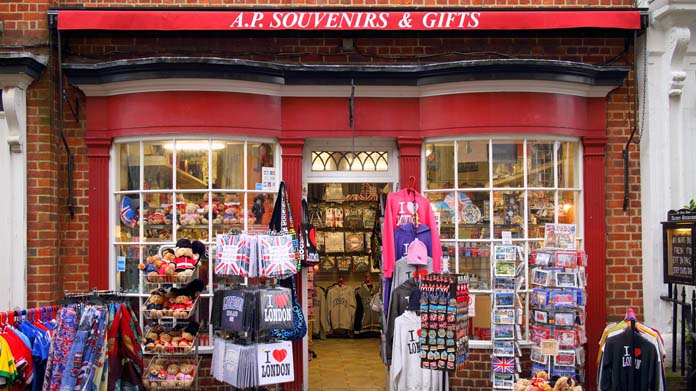
A novelty store sells unusual items that appeal to a whimsical and fun audience. Items can range from gag gifts to adult-friendly items. Often, these stores will also sell toys or trinkets that inspire nostalgia in their target customer, which can be a delicate force that inspires loyalty and love to a particular establishment.
Our guide is in 3 parts:
Entrepreneurs should factor in the following costs for their business:
Novelty stores will need to account for the following expenses
The target market can literally be anyone — novelty items are often given as gifts. So even if a person isn’t interested in cute memorabilia or silly gags, they probably know someone who is.
Owners charge a mark-up on their products, based on the wholesale cost of the item and store expenses. The baseline mark-up is typically 50%, though this number will depend on both demand and total business expenses.
People will routinely pay up to 50% more than what an item sells at wholesale. Going to other novelty stores will give you an idea of what you can charge for each product you sell, but be responsive to customer feedback if they feel your prices are too high. An in-demand, exclusive item in your store may sell at 75 – 100% more than what it cost to make.
Most retail stores operate at a profit margin of between 25 – 50%. So if you sell $100,000 worth of merchandise, your profits would be somewhere between $25,000 and $50,000 after all of the dust has settled. However, it should be noted that this number will vary significantly based on location and demand.
If you choose to make more personal items, consider catering to high-end customers who have very specific tastes. You could set up a side business that is strictly by-appointment only. Novelty stores may also choose to either franchise their business once it grows in popularity, or establish smaller kiosks in malls or other public areas. Holding frequent events and gatherings may be a good way to generate profits by charging a small entrance fee or a major mark-up on snacks or amenities.
Novelty store owners may spend their days with the following agenda:
Novelty store owners should have some idea of what it takes to manage inventory in a retail environment. They should be able to work with subordinates and customers alike to develop a consistent (and favorable) reputation. A formal business education may help you budget and develop strategic approaches to growing your business, but it’s not an official requirement.
Growth potential for a novelty store may be limited at first, especially considering how many choices are on the market both in stores or online. However, as shopping becomes more and more impersonal, there will be a growing niche of people who are looking for personable owners who can connect with them on a deeper level. This can help stimulate your growth and establish a brand across a wider audience.
A solid business plan should be developed before jumping in. Novelty stores vary greatly in terms of size, items sold, and marketing campaigns, so it is essential to strategize as many details as possible before you get started, such as which markets you’ll put your primary focus on. For example, you may want to focus only a small portion (or none at all) on gag gifts.
Owners need to stay flexible in terms of which novelties they sell. There will always be a need for novelty items, but the demand can change at the drop of the hat. Novelty stores may succeed by capitalizing off funny trends or odd quirks that only local shoppers would understand. For example, if the local high school is obsessed with Taco Tuesdays in the cafeteria, then owners could create funny items that declare a student’s love for the day.
Novelty stores may also want to branch out to fulfilling personal orders as another way of appealing to a wider audience. For example, if a friend wants to give their mother a T-shirt with a specific saying and image, or if they want an unusual design on a license plate frame. There are plenty of ways to source one-of-a-kind gifts for individuals if the price is right.
Sellers without a lot of capital may want to get a sense of the market by starting an online presence before establishing a physical one. This can be especially helpful if you’re targeting a local audience as opposed to a regional one. It gives you an idea of what will be popular in a store location, and a chance to make a name prior to a Grand Opening. Finally, ensure you have a Certificate of Occupancy, Seller’s Permit, and all relevant federal or state licenses necessary to operate your physical location.
Novelty stores don’t necessarily need to keep long hours in order to make money, so you may be able to get away with either hiring one employee or managing the store on your own. Once you have an idea of when people are shopping (e.g., nights, weekends), you can structure the hours to fit the demand. If you do choose to hire a manager or employees, make sure you’re hiring people who are both personable and knowledgeable about the novelty products your store sells .
Business Evaluation & Strategy Tool
We'll walk you through the four pillars every business needs: Points of Leverage, Marketing Strategy, Financial Model, and Personal Compatibility. At the end you'll see a personalized report and your action plan below will be tailored to your answers.
Every viable business has natural advantages. Below are common leverage points across four categories. Pick the ones that apply to your Novelty Store business. We've pre-suggested a few based on your idea — review and adjust.
Without a way to connect with customers, even great businesses fail. Pick the channels you plan to use to reach your customers.
Enter your monthly baseline costs — the minimum overhead to keep the business running. Then we'll calculate how many sales per month you need to break even.
A business that doesn't fit your life will fail no matter how good the numbers look. Tell us how this business fits you.
Complete the four pillars and your personalized summary will appear here.
Nine concrete steps to take you from idea to open business, grouped into 30-day phases. Complete the planner above and we'll highlight what's most important for your situation.
An LLC keeps your personal assets separate from business debts and lawsuits — the most common reason small business owners choose this structure. Sole proprietorships and partnerships do not provide this protection.
Apply for your free Employer Identification Number through the IRS, then register for any state or local taxes that apply to your business (sales tax, franchise tax).
A dedicated business account is required to maintain personal asset protection. Mixing personal and business finances ('piercing the corporate veil') can void your LLC's liability shield.
Recording expenses and income from day one makes tax filing easier and lets you see when the business is actually profitable. Use software (QuickBooks, Wave) or a part-time bookkeeper.
State and local requirements vary widely. Brick-and-mortar businesses typically need a Certificate of Occupancy; service businesses may need specific professional licensing; food businesses need health permits.
General Liability Insurance is the most common starting point. If you'll have employees, most states require Workers' Compensation. Specific industries need additional coverage (product liability, professional liability, etc.).
Your brand is how customers perceive and remember you. A clear name, logo, and visual identity make every later marketing decision easier and protect you legally as you grow.
Every legitimate business needs a website. Social media pages are not a substitute — you don't own the platform. Modern website builders mean you can launch a clean site in a weekend without a developer.
A dedicated business number keeps your personal life private, makes the business look legitimate, and lets you route calls professionally. Cloud phone services start under $20/month.
Starting a Novelty Store business typically costs $50,000 to $500,000. It is considered a very high capital-intensity business.
A Novelty Store business runs roughly a 50% net profit margin, and most owners reach break-even in about 4 to 12 months.
You can usually launch a Novelty Store business in about 12 to 36 weeks, and it is commonly run full time.
A Novelty Store business is generally an intermediate-skill business to start, with stable demand. TRUiC rates it 50 out of 100 on our Idea Score.
Most Novelty Store businesses register as an LLC or other legal entity and obtain a general business license. Depending on your state and city you may also need industry-specific permits, sales tax registration, and zoning or health approvals, so check your local requirements before you launch.