Startup cost
$75k–$200k
TRUiC Business Ideas
Decision Snapshot
Idea Score
60
Startup cost
$75k–$200k
Profit margin
20%
Break-even
18 mo–36 mo
Time to launch
2 wk–12 wk
Demand trend
Stable
5-yr failure rate
—
Capital intensity
High
Time commitment
Full time
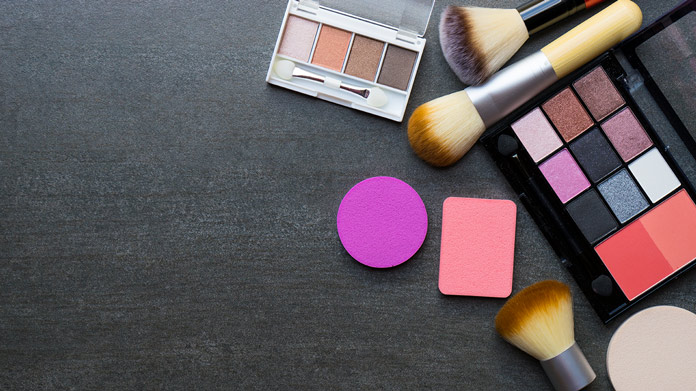
A makeup business sells beauty products, catering to customers’ individual beauty needs. Products are sold to distributors, in a standalone store, or through independent consultants.
Our guide is in 3 parts:
If your business plan includes starting a makeup line from scratch, you will need to invest a great deal of time and money, before ever opening your doors to customers. Industry leaders suggest planning for nine to eighteen months, just to develop your makeup line.
In addition, you’ll need to budget for the following:
Storefront and/or factory locations – malls, kiosks, and high-end plazas are an affordable option
Lighting for your establishment
Makeup accessories – mirrors, sponges, and brushes
Display cases
POS and business management system/software
Logo and trademark design
Website
Insurance
Payroll
Advertising and marketing material
If you have a vision for a makeup product, Sephora offers entrepreneurs a unique opportunity to turn their vision into reality. Grants and funding through this program could help offset some of these initial costs.
Experienced makeup professionals report an initial budget of anywhere from $75,000 to $200,000, depending upon the specifics of your business plan.
The average makeup business’ largest operating expenses are payroll and costs associated with leased space.
Additional expenses include:
Stocking inventory
Manufacturing of inventory (if applicable)
Marketing strategy and related advertising investments
Insurance
Education, travel, and market research
Annual expenses vary, depending upon location and size of product line.
Marketing efforts should target specific demographics. Learn who would benefit most from your products, their specific needs, and work to define what sets you apart from the competition.
A few demographics to consider:
Actors and actresses
Local broadcasters
Cheerleaders and gymnasts
Men and women of various ages – men represent a growing market that is largely untapped at the moment
Makeup artists and consultants
A makeup business generates revenue from either the individual sale or wholesale distribution of their products.
Beauty products are typically sold by the unit and vary in price. Low-end cosmetic lines have products starting at $5, while high-end items sell for upwards of $150.
Profit margins for this industry average 40%, with some running as high as 80%. An average small beauty line can realize a profit of $35,000 to $70,000 annually, while larger companies are reporting profits in the multi-millions.
Makeup entrepreneurs have reported success implementing the following strategies:
Host a makeup or skincare clinic, specifically geared towards your target audience(s).
Offer makeup artist services.
Get involved in photo shoots with local and national magazines.
This is largely dependent upon how you decide to structure your business. Whether you open a brick and mortar or ship products to others for distribution/sale, some day-to-day activities will remain the same:
Test new products and collect feedback from current and prospective customers
Fill makeup orders and ship to destination
Advise customers on personal makeup and skincare needs, helping them achieve their desired look
Network within community/industry and market your business
Contact suppliers
Conduct market research and keep up with the latest trends
Regular sales team meetings to discuss current business trends and ongoing needs
Administrative duties
If a makeup store is part of your vision, there are a few additional activities to consider:
You and your staff will take a more hands-on approach with customers.
Shelves must be fully stocked and reorders should be placed regularly.
Facility must be maintained and kept clean.
Real world experience is critical to the success of your business. Before establishing your company, consider working at a beauty store. Study each department, the customers’ needs, the distribution chain, marketing, and staffing. There is a lot of work that goes into running a company like this. Learn from the successes and failures of your future competitors. Your education, however, shouldn’t stop there. Get to know the various products and lines on the market. Experiment with the merchandise and get creative.
To lead a makeup business to success, one should possess many of the qualities that make a great leader. Strong communication and organizational skills are critical. Attention to detail and the ability to delegate will also prove beneficial. The Professional Beauty Association offers membership resources to assist start-ups in realizing long-term success.
Growing 6% in 2016, the beauty industry consistently realizes significant growth, year after year. The makeup class was the largest contributor, contributing 82% of the industry’s overall growth. While brick-and-mortar establishments offer the highest earning potential, online beauty sales have grown at a rate of 20% annually. This industry shows no signs of slowing down and offers ample opportunities for the dedicated and innovative entrepreneurs.
Industry leaders offer the following advice to those considering starting a makeup business:
Success in this industry requires careful planning, hard work, and personal time. Do not expect to be an overnight success.
Target your marketing efforts.
Pay attention to the details.
Research continuously to remain on top of the latest trends.
Network, network, network.
Education and training are of the utmost importance in this field. With payroll representing one of your largest expenses, overstaffing stands to eat into your profit margins, slowing down the success of your company. When constructing your business plan, consider short and long-term goals. This will help you determine the size of your workforce and the timeline of when new members should be added to your team.
Business Evaluation & Strategy Tool
We'll walk you through the four pillars every business needs: Points of Leverage, Marketing Strategy, Financial Model, and Personal Compatibility. At the end you'll see a personalized report and your action plan below will be tailored to your answers.
Every viable business has natural advantages. Below are common leverage points across four categories. Pick the ones that apply to your Makeup business. We've pre-suggested a few based on your idea — review and adjust.
Without a way to connect with customers, even great businesses fail. Pick the channels you plan to use to reach your customers.
Enter your monthly baseline costs — the minimum overhead to keep the business running. Then we'll calculate how many sales per month you need to break even.
A business that doesn't fit your life will fail no matter how good the numbers look. Tell us how this business fits you.
Complete the four pillars and your personalized summary will appear here.
Nine concrete steps to take you from idea to open business, grouped into 30-day phases. Complete the planner above and we'll highlight what's most important for your situation.
An LLC keeps your personal assets separate from business debts and lawsuits — the most common reason small business owners choose this structure. Sole proprietorships and partnerships do not provide this protection.
Apply for your free Employer Identification Number through the IRS, then register for any state or local taxes that apply to your business (sales tax, franchise tax).
A dedicated business account is required to maintain personal asset protection. Mixing personal and business finances ('piercing the corporate veil') can void your LLC's liability shield.
Recording expenses and income from day one makes tax filing easier and lets you see when the business is actually profitable. Use software (QuickBooks, Wave) or a part-time bookkeeper.
State and local requirements vary widely. Brick-and-mortar businesses typically need a Certificate of Occupancy; service businesses may need specific professional licensing; food businesses need health permits.
General Liability Insurance is the most common starting point. If you'll have employees, most states require Workers' Compensation. Specific industries need additional coverage (product liability, professional liability, etc.).
Your brand is how customers perceive and remember you. A clear name, logo, and visual identity make every later marketing decision easier and protect you legally as you grow.
Every legitimate business needs a website. Social media pages are not a substitute — you don't own the platform. Modern website builders mean you can launch a clean site in a weekend without a developer.
A dedicated business number keeps your personal life private, makes the business look legitimate, and lets you route calls professionally. Cloud phone services start under $20/month.
Starting a Makeup business typically costs $75,000 to $200,000. It is considered a high capital-intensity business.
A Makeup business runs roughly a 20% net profit margin, and most owners reach break-even in about 18 to 36 months.
You can usually launch a Makeup business in about 2 to 12 weeks, and it is commonly run full time.
A Makeup business is generally an intermediate-skill business to start, with stable demand. TRUiC rates it 60 out of 100 on our Idea Score.
Most Makeup businesses register as an LLC or other legal entity and obtain a general business license. Depending on your state and city you may also need industry-specific permits, sales tax registration, and zoning or health approvals, so check your local requirements before you launch.