Startup cost
$50k–$500k
TRUiC Business Ideas
Decision Snapshot
Idea Score
45
Startup cost
$50k–$500k
Profit margin
20%
Break-even
4 mo–12 mo
Time to launch
12 wk–36 wk
Demand trend
Stable
5-yr failure rate
—
Capital intensity
Very high
Time commitment
Full time
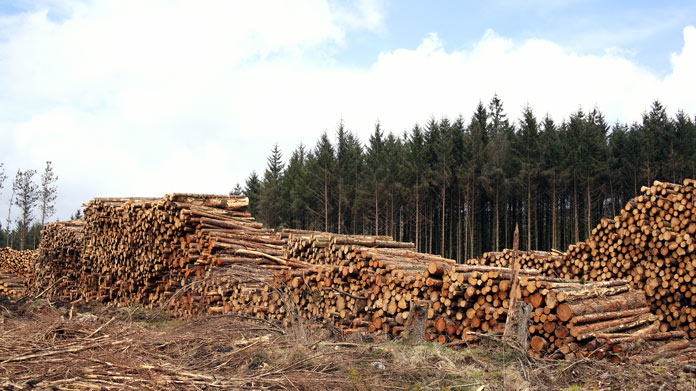
A lumber yard sells construction materials to building contractors and property owners for renovations or new building structures. As the owner of a lumber yard you will stock a wide variety of wood cut down into popular sizes. Other materials you may stock include wallboard, hardware, roofing materials, and fencing. You will likely offer services to cut wood down to required lengths for your customers and make deliveries to job sites.
Our guide is in 3 parts:
This project requires a sizable upfront investment. You will need to purchase or lease a warehouse/store situated on at least an acre of land, although more space will permit you to stock a greater variety of lumber. Heavy-duty equipment needed will include forklifts, commercially sized saws, storage racks, pallet jacks and a complete retail store setup. There are also the initial orders to fill your shelves with lumber, hardware, and assorted supplies. If you offer delivery services, vans and trucks will also be part of the initial investment. Start-up will require capital from 500,000 to a million dollars.
Your largest regular expenses will be payroll and maintaining inventory. Building maintenance, licensing, safety inspections, and marketing are other costs associated with doing business. You’ll need to keep your vehicles maintained and safe. Business insurance should also be kept updated.
Busy general contractors will be the meat and potatoes of your business, buying large quantities of materials from the yard on a consistent basis. You may offer them a wholesale discount price for their continued business. Homeowners and property managers will provide the more consistent business that helps to attract more customers, but they will not be spending as much as the contractors.
The more lumber you sell, the more money your business will bring in. For a lumber yard, numbers and volume will drive the bottom line. If you stock a greater variety of products, you will build larger sales as contractors use you as a one-stop shop for all their building supply needs.
A single nail can be sold for just a few pennies, while selling enough lumber to build a house will cost thousands. Your retail manager will constantly compare prices among your competition to ensure you are not pricing yourself out of business.
You can expect to see a profit margin for much of your lumber stock in the 15 to 20% range. Hardware and accessories have a much higher margin and require less manpower to stock. A small lumber yard can see a net profit of $50,000 to $100,000 while a large yard in a busy area can see a million dollar annual profit.
Careful management of your inventory will help to raise your profit margin. If a product does not sell and spends time taking up space on the shelf, remove it from your regular inventory. Make sure you don’t run out of popular products during the busy building seasons, and add new products on a regular basis to keep your customers interested and involved.
Placing orders to keep all varieties/sizes and accessories for lumber stock on hand
Filling orders placed by customers
Assisting customers in selecting the right materials for their projects
Taking orders over the phone for clients
Delivering orders to large job sites as scheduled
Answering questions on practical applications of your different available materials
Maintaining and training staff to work in the lumber yard
Maintaining a safe working environment/ensure inspections are completed of lifting and cutting equipment per OSHA standards
Balancing your books
Completing all payroll responsibilities
Learning about new products
Maintaining active marketing campaign to attract new customers and clients
Knowledge of popular building materials, sizes, accessories, and their application
Solid understanding of business management
Good personal skills
Ability to establish positive relationships with contractors and DIYers
Good ability to geographically dissect demographics to be able to respond to changes in the local market
Knowledge of OSHA standards to provide safe work environment and training for your staff
Basic knowledge of construction techniques–although not necessarily required
Communities that are actively expanding offer the greatest opportunity for a new lumber yard business. This is one industry where starting small is the short line to failure. Once your yard is well-established with contractors stating that they wished you were located closer to their sites is an indication that you would profit by expanding to multiple locations. If you are looking at a small store front in an urban setting, a hardware store might work better as lumber inventory requires massive amounts of cubic footage for storage and sales.
Choose your location wisely by completing an in-depth survey of local construction, average household income, and other competition in the area. Establish a relationship with local lumber mills to determine what products you might be able to offer to your customers that cannot be found at other yards. This might include rare lumber, custom millwork, or flooring. Work some home shows in order to kick start your relationships with a variety of contractors who might need to use your yard on a regular basis. Personal interactions will be far more beneficial than ads on the local media.
As soon as your funding is in place, you’ll need to start building your team. You will need a person responsible for preparing the physical lumber yard, one for maintaining inventory, another for hiring and training staff, and at least a fourth to begin your marketing campaign. On opening day, you will have a staff between 30 and 100 people ready to service your neighborhood.
Business Evaluation & Strategy Tool
We'll walk you through the four pillars every business needs: Points of Leverage, Marketing Strategy, Financial Model, and Personal Compatibility. At the end you'll see a personalized report and your action plan below will be tailored to your answers.
Every viable business has natural advantages. Below are common leverage points across four categories. Pick the ones that apply to your Lumber Yard business. We've pre-suggested a few based on your idea — review and adjust.
Without a way to connect with customers, even great businesses fail. Pick the channels you plan to use to reach your customers.
Enter your monthly baseline costs — the minimum overhead to keep the business running. Then we'll calculate how many sales per month you need to break even.
A business that doesn't fit your life will fail no matter how good the numbers look. Tell us how this business fits you.
Complete the four pillars and your personalized summary will appear here.
Nine concrete steps to take you from idea to open business, grouped into 30-day phases. Complete the planner above and we'll highlight what's most important for your situation.
An LLC keeps your personal assets separate from business debts and lawsuits — the most common reason small business owners choose this structure. Sole proprietorships and partnerships do not provide this protection.
Apply for your free Employer Identification Number through the IRS, then register for any state or local taxes that apply to your business (sales tax, franchise tax).
A dedicated business account is required to maintain personal asset protection. Mixing personal and business finances ('piercing the corporate veil') can void your LLC's liability shield.
Recording expenses and income from day one makes tax filing easier and lets you see when the business is actually profitable. Use software (QuickBooks, Wave) or a part-time bookkeeper.
State and local requirements vary widely. Brick-and-mortar businesses typically need a Certificate of Occupancy; service businesses may need specific professional licensing; food businesses need health permits.
General Liability Insurance is the most common starting point. If you'll have employees, most states require Workers' Compensation. Specific industries need additional coverage (product liability, professional liability, etc.).
Your brand is how customers perceive and remember you. A clear name, logo, and visual identity make every later marketing decision easier and protect you legally as you grow.
Every legitimate business needs a website. Social media pages are not a substitute — you don't own the platform. Modern website builders mean you can launch a clean site in a weekend without a developer.
A dedicated business number keeps your personal life private, makes the business look legitimate, and lets you route calls professionally. Cloud phone services start under $20/month.
Starting a Lumber Yard business typically costs $50,000 to $500,000. It is considered a very high capital-intensity business.
A Lumber Yard business runs roughly a 20% net profit margin, and most owners reach break-even in about 4 to 12 months.
You can usually launch a Lumber Yard business in about 12 to 36 weeks, and it is commonly run full time.
A Lumber Yard business is generally an intermediate-skill business to start, with stable demand. TRUiC rates it 45 out of 100 on our Idea Score.
Most Lumber Yard businesses register as an LLC or other legal entity and obtain a general business license. Depending on your state and city you may also need industry-specific permits, sales tax registration, and zoning or health approvals, so check your local requirements before you launch.