Startup cost
$270k
TRUiC Business Ideas
Decision Snapshot
Idea Score
37
Startup cost
$270k
Profit margin
3%
Break-even
4 mo–12 mo
Time to launch
12 wk–36 wk
Demand trend
Stable
5-yr failure rate
—
Capital intensity
Very high
Time commitment
Full time
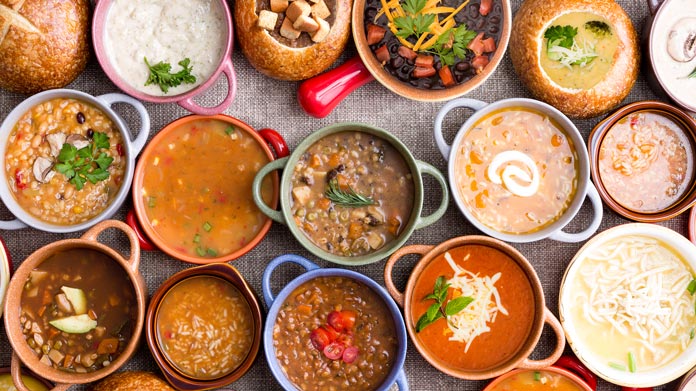
International food stores, also called international grocery stores, are stores which offer imported food. This imported food ranges across many countries, different nationalities, and dish types. International food stores usually stock food, drinks, alcohol, candy and condiments. Some international food stores also stock international commodities, like toys and kitchen instruments.
Our guide is in 3 parts:
Pre-opening expenses are often $70,000 or more. The costs include insurance, equipment sourcing, food sourcing, utility start-up costs and employee hiring fees. Before assuming control of your store’s operations, consider investing as much as $200,000.
Opening an international food store can be expensive, mostly because the food must be sourced overseas. Some international grocery stores can, however, find domestic bulk providers for international food.
Ongoing expenses vary from store to store. Rent is normally $3,000 to $4,000 per month for a medium to large-sized shop. Meanwhile, monthly utilities can be about $700 for continuous use. Employees should be paid between $8 and $15 per hour.
As with any grocery store, the best clients are those who’re noninvasive. Ideal clients will have a love for international food, and they’ll return for new, exotic tastes. Because international food stores tend to be niche, they’re usually favored by food connoisseurs.
Sometimes, ethnic customers are useful advocates and knowledgeable resources. Since an international food store’s popularity is determined by its authenticity, these customers can be useful. An international food store owner needs to have a lot of knowledge about the best-tasting foods in order to provide customers with the most delicious, most authentic products.
International food stores make money by selling international foods, pre-cooked dishes, deserts, candy, drinks, alcohol, and other items. Some international food stores have cafes, and others may have fresh food restaurants inside. An international food store needs to be the “one-stop-shop” of its area to be successful. For this reason, a lot of international food stores offer all the services a grocery store would have while also offering food that cannot be found at other local grocery stores.
Food prices vary greatly. Customers can be charged as little as $0.99 for end-cap items. They can be charged as much as $50 for a nice bottle of wine. Research competitive food prices, and make your products attractive.
A successful international food store can make upwards of $500,000 per year. That said, profits are determined by a store’s ability to serve local markets.
Start by operating a small storefront. Become a mini-grocery, and stock novelty goods. By supplying coffee, books, candy, or alcohol, you can save costs while being a competitive store. Distribute food items other providers don’t have, and try to source as much local food as possible before relying on an overseas supplier.
International food store owners research local shopping experiences. Then, they source and stock ethic foods. When running an international food store, owners need to make the food taste as authentic as possible. Some feature recipes for visitors to try.
Other responsibilities include grocery store upkeep. Utilities need to be managed, and food needs to be restocked. Because international food needs to be sourced overseas, a lot of international food store operators need to be well-adjusted to shipping, competitive pricing, and international buying plans.
On the administrative end, international food store owners need to conduct sales, manage employees, and create marketing campaigns. Typical grocery store responsibilities apply, like cleaning, conducting maintenance, and handling rent.
The most successful international food stores have great pricing strategies. They also prioritize the customer service experience. A good international food store will encourage communication between staff and shoppers.
As an international food store owner, you’ll need to source international foods effectively. It can take years to secure the best food sources, and it can take longer to price them competitively. Provide customers with high-quality products, and make them affordable. A good international food store avoids the “department store” feel, focusing on specialized customer experiences. The more personal an international food store feels, the better.
Most international food stores are locally owned. For this reason, most of them never reach cross-country popularity. While it’s possible to become a state-wide international food store provider, many are city favorites. This isn’t bad, however, as an area’s best international food store is normally a customer favorite. If your international food store can deliver top of the line products to a lot of people, it can achieve a lot of success.
While international grocery store startup costs are big, it’s a good idea to keep your investments as low as possible. Independent international grocery stores can be risky, and sourcing costs can get out of hand.
Thrill customers with high-quality products, and offer affordable prices. Focus on your pricing strategy, and make your international food options as authentic as possible. Give customers the ability to get all of their international food in one place. When starting, stock a bit of everything. Don’t worry about highly unique food items. Instead, focus on general food items first.
You should build a team immediately. While small international food stores can be operated by one person, many have at least three employees. You’ll need to spend your time marketing, sourcing food, and strategizing your pricing plan. Meanwhile, your employees should be working on in-store operations. They’ll need to talk to customers, handle clean-ups, and conduct maintenance.
Business Evaluation & Strategy Tool
We'll walk you through the four pillars every business needs: Points of Leverage, Marketing Strategy, Financial Model, and Personal Compatibility. At the end you'll see a personalized report and your action plan below will be tailored to your answers.
Every viable business has natural advantages. Below are common leverage points across four categories. Pick the ones that apply to your International Food business. We've pre-suggested a few based on your idea — review and adjust.
Without a way to connect with customers, even great businesses fail. Pick the channels you plan to use to reach your customers.
Enter your monthly baseline costs — the minimum overhead to keep the business running. Then we'll calculate how many sales per month you need to break even.
A business that doesn't fit your life will fail no matter how good the numbers look. Tell us how this business fits you.
Complete the four pillars and your personalized summary will appear here.
Nine concrete steps to take you from idea to open business, grouped into 30-day phases. Complete the planner above and we'll highlight what's most important for your situation.
An LLC keeps your personal assets separate from business debts and lawsuits — the most common reason small business owners choose this structure. Sole proprietorships and partnerships do not provide this protection.
Apply for your free Employer Identification Number through the IRS, then register for any state or local taxes that apply to your business (sales tax, franchise tax).
A dedicated business account is required to maintain personal asset protection. Mixing personal and business finances ('piercing the corporate veil') can void your LLC's liability shield.
Recording expenses and income from day one makes tax filing easier and lets you see when the business is actually profitable. Use software (QuickBooks, Wave) or a part-time bookkeeper.
State and local requirements vary widely. Brick-and-mortar businesses typically need a Certificate of Occupancy; service businesses may need specific professional licensing; food businesses need health permits.
General Liability Insurance is the most common starting point. If you'll have employees, most states require Workers' Compensation. Specific industries need additional coverage (product liability, professional liability, etc.).
Your brand is how customers perceive and remember you. A clear name, logo, and visual identity make every later marketing decision easier and protect you legally as you grow.
Every legitimate business needs a website. Social media pages are not a substitute — you don't own the platform. Modern website builders mean you can launch a clean site in a weekend without a developer.
A dedicated business number keeps your personal life private, makes the business look legitimate, and lets you route calls professionally. Cloud phone services start under $20/month.
Starting an International Food business typically costs $270,000. The largest cost is usually working capital. It is considered a very high capital-intensity business.
An International Food business runs roughly a 3% net profit margin, and most owners reach break-even in about 4 to 12 months.
You can usually launch an International Food business in about 12 to 36 weeks, and it is commonly run full time.
An International Food business is generally an intermediate-skill business to start, with stable demand. TRUiC rates it 37 out of 100 on our Idea Score.
Most International Food businesses register as an LLC or other legal entity and obtain a general business license. Depending on your state and city you may also need industry-specific permits, sales tax registration, and zoning or health approvals, so check your local requirements before you launch.