Startup cost
$250k–$2.0M
TRUiC Business Ideas
Decision Snapshot
Idea Score
42
Startup cost
$250k–$2.0M
Profit margin
14%
Break-even
18 mo–36 mo
Time to launch
2 wk–12 wk
Demand trend
Stable
5-yr failure rate
—
Capital intensity
Very high
Time commitment
Full time
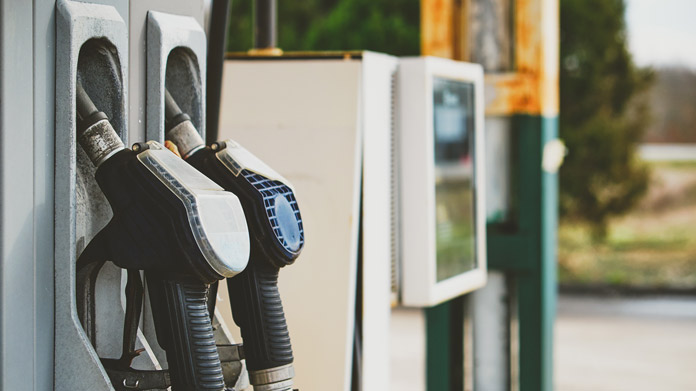
Gas station businesses attract customers by selling gasoline, which most people need for their vehicle. Gasoline is just one of the many products that gas stations may sell to travelers, though. Many stations also offer foods, drinks and convenience store items. According to IBISWorld, the gas station industry brings in $89 billion annually through selling products like these.
Our guide is in 3 parts:
The startup costs associated with opening a gas station business are substantial. According to JUX Law Firm, business owners should expect to spend around $300,000, which breaks down as follows:
$2,000 for legal fees
$2,000 for insurance premiums
$3,000 for state permits
$5,000 for promotional signage
$10,000 for initial inventory
$20,000 for setting up a convenience store
$100,00 for setting up the gas station
$150,000 for purchasing a building
Depending on the location of a gas station and what buildout is involved, the startup costs for a particular station may be more or less. In some cases, the startup expenses can be much more than noted here.
The ongoing expenses for gas station businesses are high. Gas stations must pay for the fuel they sell, which alone often runs over $1 million annual for many stations. They must also purchase other products that are sold, and pay employees’ wages, utilities, taxes and permit fees.
A gas station business’ ideal customer is either a family that’s traveling or a long-haul truck driver. Traveling families won’t purchase a lot of fuel, but they’ll frequently get snacks or beverages for everyone in the family. Long-haul truck drivers will also frequently purchase some food or a beverage, and they’ll also often spend hundreds of dollars filling up their truck’s tank.
While these are ideal customers, gas station business owners aren’t picky about whom they serve. Anyone who comes into a gas station is a likely customer and will probably spend at least a few dollars on an item.
A gas station business makes money by selling products to drivers and passengers. Stations are named for their primary product: gasoline. This is just one of many products that gas stations sell though. Most gas stations also offer:
Pre-made food (e.g. pizza and hot dogs)
Beverages (e.g. such as coffees, teas and sodas)
Snacks (e.g. ice cream, candy and chips)
Grocery staples (e.g. milk, bread and eggs)
Basic automotive supplies (e.g. windshield washer fluid and tire pressure gauges)
Beer and wine (if permitted by law)
Tobacco products and lottery tickets
The price of gasoline fluctuates on a daily basis, but most gasoline station businesses don’t try to make a lot on the fuel they sell. Instead, they use low fuel prices to attract drivers — and then sell other products that have higher markups. Most gasoline stations have many pre-made foods, snacks, beverages and convenience items available for less than $5. Each sale may be small, but lots of sales over the course of a day can generate a significant revenue.
Gas stations can generate millions of dollars in revenue, but much of this is often consumed by ongoing expenses. In an example that JUX Law Firm provides, a gas station that earns $2.4 million annually might have ongoing expenses of $2.1 million, and that doesn’t take into account all the salaries and some other fees the gas station must pay. According to The Nest, gas station owners make around $70,000 each year. (Profits may increase once a station’s loan is paid off.)
Gas stations can add revenue streams and increase their profit margins by incorporating sideline businesses. Car washes, auto shops and restaurants are popular side businesses to add.
On a day-to-day basis, a gas station business owner or their employees will need to:
Accept shipments
Restock inventory
Prepare pre-made food and drinks (if offered)
Ring up sales for customers
Clean the gas station (e.g. empty trashes and clean the restrooms)
When not working on these tasks, business owners must also schedule and manage employees, place orders for products and pay bills.
Running a gas station business requires knowledge of many different aspects of business. Business owners must identify and source products that customers will want to purchase, hire and manage employees, place service orders when equipment malfunctions, and follow permitting laws in their area.
Business owners may want to take some business classes before opening a gas station, or they might want to work as a manager for another gas station first. Joining professional organizations, such as The Association for Convenience & Fuel Retailing, can also help business owners learn about the industry.
A gas station business owner may operate a single gas station, or they may have several in a region. Owners who have one station can operate as an independent business or a franchise, while those who have multiple stations in a region often elect to get franchises. Pronto Food Mart in Austin, Texas is an example of an independent station. Chevron is one gas company that has franchises available around the country.
Many business owners opt to purchase an existing gas station rather than open a brand new one. Purchasing an existing station provides more stable and predictable revenue, and it can make the permitting process easier because the station is already operating. A current list of gas stations for sale, which are priced from tens of thousands of dollars to well over $1 million, is available at BizBuySell.
Most gas station businesses need at least a few employees to help run the station. Even a small gas station will require several people to cover all the hours that the station is open. Employees, however, often aren’t paid very much. In many cases, they make minimum wage or just slightly more.
Business Evaluation & Strategy Tool
We'll walk you through the four pillars every business needs: Points of Leverage, Marketing Strategy, Financial Model, and Personal Compatibility. At the end you'll see a personalized report and your action plan below will be tailored to your answers.
Every viable business has natural advantages. Below are common leverage points across four categories. Pick the ones that apply to your Gas Station business. We've pre-suggested a few based on your idea — review and adjust.
Without a way to connect with customers, even great businesses fail. Pick the channels you plan to use to reach your customers.
Enter your monthly baseline costs — the minimum overhead to keep the business running. Then we'll calculate how many sales per month you need to break even.
A business that doesn't fit your life will fail no matter how good the numbers look. Tell us how this business fits you.
Complete the four pillars and your personalized summary will appear here.
Nine concrete steps to take you from idea to open business, grouped into 30-day phases. Complete the planner above and we'll highlight what's most important for your situation.
An LLC keeps your personal assets separate from business debts and lawsuits — the most common reason small business owners choose this structure. Sole proprietorships and partnerships do not provide this protection.
Apply for your free Employer Identification Number through the IRS, then register for any state or local taxes that apply to your business (sales tax, franchise tax).
A dedicated business account is required to maintain personal asset protection. Mixing personal and business finances ('piercing the corporate veil') can void your LLC's liability shield.
Recording expenses and income from day one makes tax filing easier and lets you see when the business is actually profitable. Use software (QuickBooks, Wave) or a part-time bookkeeper.
State and local requirements vary widely. Brick-and-mortar businesses typically need a Certificate of Occupancy; service businesses may need specific professional licensing; food businesses need health permits.
General Liability Insurance is the most common starting point. If you'll have employees, most states require Workers' Compensation. Specific industries need additional coverage (product liability, professional liability, etc.).
Your brand is how customers perceive and remember you. A clear name, logo, and visual identity make every later marketing decision easier and protect you legally as you grow.
Every legitimate business needs a website. Social media pages are not a substitute — you don't own the platform. Modern website builders mean you can launch a clean site in a weekend without a developer.
A dedicated business number keeps your personal life private, makes the business look legitimate, and lets you route calls professionally. Cloud phone services start under $20/month.
Starting a Gas Station business typically costs $250,000 to $2,000,000. It is considered a very high capital-intensity business.
A Gas Station business runs roughly a 14% net profit margin, and most owners reach break-even in about 18 to 36 months.
You can usually launch a Gas Station business in about 2 to 12 weeks, and it is commonly run full time.
A Gas Station business is generally an intermediate-skill business to start, with stable demand. TRUiC rates it 42 out of 100 on our Idea Score.
Most Gas Station businesses register as an LLC or other legal entity and obtain a general business license. Depending on your state and city you may also need industry-specific permits, sales tax registration, and zoning or health approvals, so check your local requirements before you launch.