Startup cost
$50k–$500k
TRUiC Business Ideas
Decision Snapshot
Idea Score
31
Startup cost
$50k–$500k
Profit margin
6%
Break-even
4 mo–12 mo
Time to launch
12 wk–36 wk
Demand trend
Stable
5-yr failure rate
—
Capital intensity
Very high
Time commitment
Seasonal
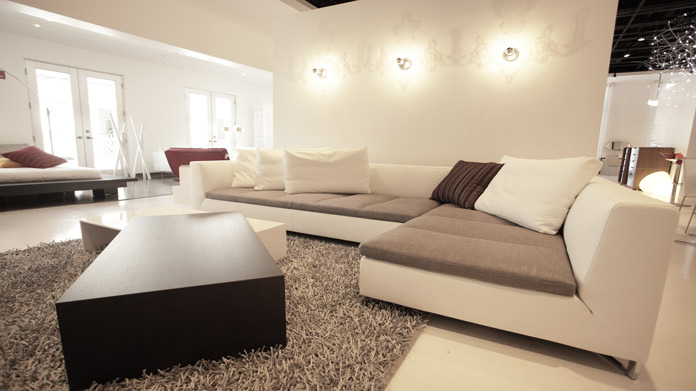
Your furniture store may focus on less expensive pieces created by massive factories or cater to an wealthier customer seeking unique designs built specifically for their home or business. Some stores include lighting fixtures, electronics, appliances, and outdoor furniture, and they may offer design services.
Our guide is in 3 parts:
Your largest costs for opening a start-up furniture store will be invested in the store front and your display inventory. In order to create the most attractive displays, you need at least 50,000 square feet. You may need a large warehouse in order to deliver furniture in a timely manner to your customers. Your store should be centrally located in order to provide the most convenient service to as many people as possible. Design consultants will garner the highest salaries. Expect to invest between $1 million and $20 million depending on the size and complexity of your furniture store showroom and warehouse.
Payroll will be a significant part of daily expenses for your sales, design, and delivery crews. You will change out your displays twice a year, and that will be a major line item on your annual budget, but some of those pieces can be sold as-is at a later date. You will need to keep some inventory in your warehouse, but most items ship straight from the factory to your customers’ homes.
Some clients change out their furniture as home fashion changes, ordering a new sofa every few years.Your return clients will generate the most income. At the same time, everybody needs to buy beds, so creating a welcoming environment that appeals to most people is crucial. Colleges and property maintenance companies will purchase large quantities of inexpensive furniture on a regular basis.
You will generate income by selling a large quantity of furniture to as many people as possible. You buy the furniture from factories at wholesale prices and sell at a higher price, netting a profit.
Bargain furniture can be priced starting at $50 for an end table. Custom orders of silk upholstered sofas and mahogany dining sets climb up to $10,000. Mid-line pieces tend to average between $1,000 and $2,000.
While your furniture store can bring in well over $1 million in annual sales, the furniture industry boasts one of the smallest profit margins in the retail industry. Your profit over wholesale will be about 40%. However, most stores anticipate a 2% net profit after operating expenses and payroll is covered. As the business owner, you may enjoy an annual income of between $150,000 and $300,000.
Pre-fabbed furniture is becoming more popular with Americans. The bookcases, tables, and even pull-out sofas are delivered in a flat-pack box and the customer assembles it themselves. The profit margin on pre-fabbed furniture is much higher and costs considerably less to deliver to a customer, increasing your take home pay.
If you operate a furniture store, on any given day you might be expected to:
Ensure all the furniture displays are spotlessly clean and attractive
Work with customers to find the right piece of furniture that matches their style and budget
Review new collections of furniture and decide which ones your store will sell during the next season
Place orders with furniture factories to meet customer orders or to have “in-stock” for immediate delivery
Provide a welcoming environment for your shoppers which may include snacks, coffee, or extra entertainment
Design new displays for incoming furniture collections
Offer in-home consultations for customers seeking to develop a unified design
Schedule furniture deliveries for customers
The successful furniture store business owner will be able to:
Select and display popular and beautiful pieces of furniture
Provide a welcoming and exceptional shopping environment
Deliver excellent customer service on every single sale
Train a friendly and knowledgeable sales staff ready to support the shopping experience
Maintain a good profit margin through use of good business skills
Establish positive relationships with a variety of furniture manufacturers
Suggest attractive combinations of furniture, carpeting, lighting, and other design elements for a more personalized experience
The most successful furniture stores don’t have unique furniture to sell, but create a shopping experience and atmosphere that encourages their shoppers to linger, test, and discover their favorite item among many options. When you build that unforgettable service experience combined with reasonable prices, it is possible to expand your furniture store into a chain.
Becoming a popular furniture store relies heavily on your ability to promote its opening as a massive party that happens to feature some great bargains. Make sure to have accounts set up with all your furniture makers such that orders placed will be filled quickly or at least as promised. You will need to do a media blitz using every available outlet to promote your new business. Your opening weeks should include extra sales staff such that no customer walks away without some personalized attention.
You will need to start working on building a team as soon as your business plan is accepted by the bank. Your display design team must submit their plans before the building goes up while your marketing team will start promoting your business a good 8-weeks before the doors open. Your sales team will be working with furniture makers six-months ahead of the first orders placed. Your floor sales team will come on board two weeks ahead and delivery can be hired at the last minute.
Business Evaluation & Strategy Tool
We'll walk you through the four pillars every business needs: Points of Leverage, Marketing Strategy, Financial Model, and Personal Compatibility. At the end you'll see a personalized report and your action plan below will be tailored to your answers.
Every viable business has natural advantages. Below are common leverage points across four categories. Pick the ones that apply to your Furniture Store business. We've pre-suggested a few based on your idea — review and adjust.
Without a way to connect with customers, even great businesses fail. Pick the channels you plan to use to reach your customers.
Enter your monthly baseline costs — the minimum overhead to keep the business running. Then we'll calculate how many sales per month you need to break even.
A business that doesn't fit your life will fail no matter how good the numbers look. Tell us how this business fits you.
Complete the four pillars and your personalized summary will appear here.
Nine concrete steps to take you from idea to open business, grouped into 30-day phases. Complete the planner above and we'll highlight what's most important for your situation.
An LLC keeps your personal assets separate from business debts and lawsuits — the most common reason small business owners choose this structure. Sole proprietorships and partnerships do not provide this protection.
Apply for your free Employer Identification Number through the IRS, then register for any state or local taxes that apply to your business (sales tax, franchise tax).
A dedicated business account is required to maintain personal asset protection. Mixing personal and business finances ('piercing the corporate veil') can void your LLC's liability shield.
Recording expenses and income from day one makes tax filing easier and lets you see when the business is actually profitable. Use software (QuickBooks, Wave) or a part-time bookkeeper.
State and local requirements vary widely. Brick-and-mortar businesses typically need a Certificate of Occupancy; service businesses may need specific professional licensing; food businesses need health permits.
General Liability Insurance is the most common starting point. If you'll have employees, most states require Workers' Compensation. Specific industries need additional coverage (product liability, professional liability, etc.).
Your brand is how customers perceive and remember you. A clear name, logo, and visual identity make every later marketing decision easier and protect you legally as you grow.
Every legitimate business needs a website. Social media pages are not a substitute — you don't own the platform. Modern website builders mean you can launch a clean site in a weekend without a developer.
A dedicated business number keeps your personal life private, makes the business look legitimate, and lets you route calls professionally. Cloud phone services start under $20/month.
Starting a Furniture Store business typically costs $50,000 to $500,000. It is considered a very high capital-intensity business.
A Furniture Store business runs roughly a 6% net profit margin, and most owners reach break-even in about 4 to 12 months.
You can usually launch a Furniture Store business in about 12 to 36 weeks, and it is commonly run seasonal.
A Furniture Store business is generally an intermediate-skill business to start, with stable demand. TRUiC rates it 31 out of 100 on our Idea Score.
Most Furniture Store businesses register as an LLC or other legal entity and obtain a general business license. Depending on your state and city you may also need industry-specific permits, sales tax registration, and zoning or health approvals, so check your local requirements before you launch.