Startup cost
$1.5k–$30k
TRUiC Business Ideas
Decision Snapshot
Idea Score
61
Startup cost
$1.5k–$30k
Profit margin
14%
Break-even
4 mo–12 mo
Time to launch
2 wk–12 wk
Demand trend
Stable
5-yr failure rate
—
Capital intensity
Medium
Time commitment
Full time
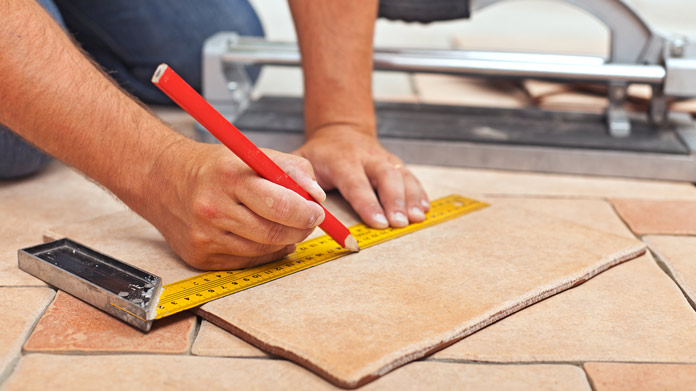
A floor installation businesses services homes and commercial property by installing, removing, and performing maintenance on the area’s flooring. Successful floor installation companies offer a wide range of flooring options, including linoleum, wood and tiles. Covering residential homes, apartments, small shops and—in some cases—large stores, a floor installation business possesses the many skills needed to cover any property’s needs.
Our guide is in 3 parts:
First, a floor installation business needs to be insured. Typically, General Liability Insurance coverage is between $361 and $839 in annual premiums. A small shop will also be needed. Depending on the shop’s size, rent can cost approximately $3,000 to $5,000 per month Startup materials, wages, and other expenses can be approximately $10,000 to $30,000—again, dependent on the business’s size.
Expenses include equipment maintenance and raw resources. Typically, raw wooden flooring costs about $5 to $8 per square foot. However, high-end materials can cost between $10 and $20 per square foot.
Workers will also need to be paid, so expect to offer hourly wages of between $10 and $18 per hour. The previously-mentioned insurance premiums should be accounted for as well. Shop utilities, advertising costs, and marketing costs apply here too.
The best clients are those which provide consistent work. It is possible to be contracted by housing development companies that would like you to install flooring in their newly built homes. Apartment management teams, too, are fantastic clients. Because apartment management teams frequently have connections to other management teams, servicing part of a network may prove lucrative for the growing floor installation business. Your clients will also include individuals that would like you to redo or install new flooring in their home.
A floor installation business makes most of its profit installing hardwood, carpet, and tile floor. While other floor types can certainly be profitable, these three types of flooring are most popular, and they will most likely make up the largest portion of your profits. A floor installation businesses can also trim, stain and repair previously installed floors. That said, maintenance services are limited. A floor installation business is—first and foremost—an installation business.
On average, a wood floor installation costs about $4,000. Laminate flooring installation costs approximately $2,400. Carpet installations generally cost around $1,600. Vinyl or linoleum flooring, the cheapest option for floors, typically cost about $1,545. These estimates increase or decrease depending on the area of the floor being installed.
The floor installation industry has an annual revenue of about $23 billion. However, the industry’s top providers account for five percent of this amount—or about $1.15 billion. Medium-sized floor installation businesses make, on average, about $230,000 per year. A small floor installation business’s owner can make decent money within the first few years, which is around $75,000.
You can boost your store’s revenue by offering speedy services. Because floor installation is pretty invasive, offering fast services helps. Focus on customer satisfaction, and offer a variety of flooring options. Reduce any management, warranty and cleaning expenses when possible, and prioritize your business’s word of mouth. At the end of the day, your business’s profits rely on its popularity.
Business operators must take new requests, give quotes, market their services and conduct installations. Typically, flooring materials include hardwood, carpet, laminate, luxury vinyl, tile, and linoleum. Other day-to-day services can include refinishing floors, conducting emergency maintenance, installing vapor barriers, and matching different floors. From an administrative end, a floor installation business must constantly find new customers, explore industry material source options, and balance expenses with revenue to gain a profit.
Before starting a floor installation businesses, you should understand the ins and outs of tile, hardwood, laminate, and carpet installation. At least five years of experience as a floor installation contractor is suggested.
Management skills are also important. Once your business has grown, it is likely that you won’t be conducting many installations yourself.However, you will need to increase your business’s installation quality. Understanding local competitors, originality, quality, versatility and professionalism is highly important. You should similarly be well-versed in targeting modern techniques, products, installation methods, and tools—focusing on adopting them into your business’s architecture.
Small floor installation businesses have a lot of growth potential. In fact, the Floor Installation Association of North America typically holds a Convention & Trade Show to help individual contractors, entrepreneurs, and business owners strategize growth. Because a heavy system of review, awards, and recommendations exists across the floor installation industry, high-quality businesses don’t go unnoticed.
However, quite a lot of competition exists for small floor installation businesses. If a floor installation business offers consistent, high-quality jobs, however, they can expect to grow into a prioritized service provider in their area.
As with most contractor-centric businesses, a floor installation business is as successful as its service network. As your floor installation business grows, you’ll need to match its options with lucrative clients. As stated above, apartment networks offer excellent opportunities. Homes which are likely to need floor replacements, too, are lucrative. If you intend to install luxury floors—like high-quality hardwood and granite—consider servicing a high-income neighborhood.
You can build a team by contacting local contractors. It is also possible to hire a rookie in the business by getting in touch with the local trade school. Though this can be a more cost efficient option, it is generally suggested to hire individuals that are experienced in your trade. Floor installation contractors are plentiful, and many are looking for high-quality work positions. You’ll need a team of three to five technicians at the start of your business. You can begin building your team after about three years of financial stability.
Business Evaluation & Strategy Tool
We'll walk you through the four pillars every business needs: Points of Leverage, Marketing Strategy, Financial Model, and Personal Compatibility. At the end you'll see a personalized report and your action plan below will be tailored to your answers.
Every viable business has natural advantages. Below are common leverage points across four categories. Pick the ones that apply to your Floor Installation business. We've pre-suggested a few based on your idea — review and adjust.
Without a way to connect with customers, even great businesses fail. Pick the channels you plan to use to reach your customers.
Enter your monthly baseline costs — the minimum overhead to keep the business running. Then we'll calculate how many sales per month you need to break even.
A business that doesn't fit your life will fail no matter how good the numbers look. Tell us how this business fits you.
Complete the four pillars and your personalized summary will appear here.
Nine concrete steps to take you from idea to open business, grouped into 30-day phases. Complete the planner above and we'll highlight what's most important for your situation.
An LLC keeps your personal assets separate from business debts and lawsuits — the most common reason small business owners choose this structure. Sole proprietorships and partnerships do not provide this protection.
Apply for your free Employer Identification Number through the IRS, then register for any state or local taxes that apply to your business (sales tax, franchise tax).
A dedicated business account is required to maintain personal asset protection. Mixing personal and business finances ('piercing the corporate veil') can void your LLC's liability shield.
Recording expenses and income from day one makes tax filing easier and lets you see when the business is actually profitable. Use software (QuickBooks, Wave) or a part-time bookkeeper.
State and local requirements vary widely. Brick-and-mortar businesses typically need a Certificate of Occupancy; service businesses may need specific professional licensing; food businesses need health permits.
General Liability Insurance is the most common starting point. If you'll have employees, most states require Workers' Compensation. Specific industries need additional coverage (product liability, professional liability, etc.).
Your brand is how customers perceive and remember you. A clear name, logo, and visual identity make every later marketing decision easier and protect you legally as you grow.
Every legitimate business needs a website. Social media pages are not a substitute — you don't own the platform. Modern website builders mean you can launch a clean site in a weekend without a developer.
A dedicated business number keeps your personal life private, makes the business look legitimate, and lets you route calls professionally. Cloud phone services start under $20/month.
Starting a Floor Installation business typically costs $1,545 to $30,000. It is considered a medium capital-intensity business.
A Floor Installation business runs roughly a 14% net profit margin, and most owners reach break-even in about 4 to 12 months.
You can usually launch a Floor Installation business in about 2 to 12 weeks, and it is commonly run full time.
A Floor Installation business is generally an intermediate-skill business to start, with stable demand. TRUiC rates it 61 out of 100 on our Idea Score.
Most Floor Installation businesses register as an LLC or other legal entity and obtain a general business license. Depending on your state and city you may also need industry-specific permits, sales tax registration, and zoning or health approvals, so check your local requirements before you launch.