Startup cost
$1.0M–$10.0M
TRUiC Business Ideas
Decision Snapshot
Idea Score
39
Startup cost
$1.0M–$10.0M
Profit margin
14%
Break-even
4 mo–12 mo
Time to launch
12 wk–36 wk
Demand trend
Stable
5-yr failure rate
—
Capital intensity
Very high
Time commitment
Full time
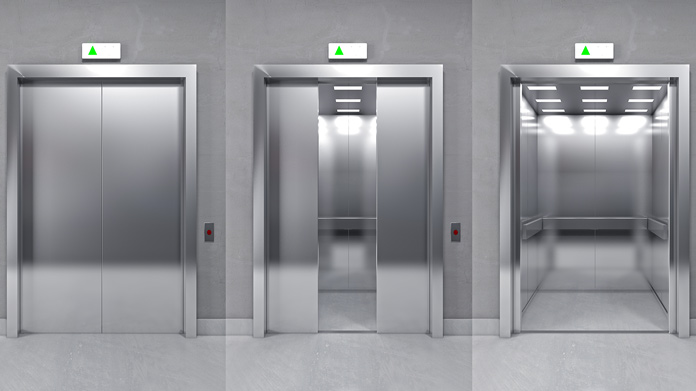
The elevator industry continues to boom across the country as most public and many small commercial buildings are installing them to better accommodate their customers. Once established, the chance to continually provide service and maintenance for the life of the building can help create a self-sustaining business. The successful owner of an elevator business will be eager to take on a project using engineering, electrical, and business skills.
Our guide is in 3 parts:
This will be a multi-million dollar venture, possibly in the 9-digit range. Your mechanics earn about $80,000/yr while design engineers will expect a $200,000+ salary. A single two-floor elevator can cost several million dollars from design to manufacturing. Tools, trucks, insurance premiums, office space, and a marketing team will all be part of starting this venture.
Your payroll will be a significant portion of your business as salaries for your employees run twice the national average. You will need to maintain offices for your engineering and design team. Tools, trucks, and heavy-duty equipment require capital investments with replacement costs factored into your annual budgets. Operational costs will be in the millions.
Any general contractor that is building apartment complexes, commercial buildings, or industrial complexes will need an elevator company.
Your clients pay a fee for annual maintenance and inspection. Emergency calls require an additional payment. The installation of a new elevator requires highly trained technicians that will earn the company a sizable payment for their work.
Annual maintenance contracts for a single-car elevator in a small building run around $5,000 to $7,000. Emergency responses earn $200/hr. A high-rise building with multiple shafts and cars can generate a $100 million contract for construction and installation of a new elevator system.
It is not unreasonable to expect a million dollar profit to be seen on a single installation project, but keep in mind that completion of a major bank of elevators in a high-rise building can take one to two years from proposal to completion. Regular maintenance visits generally charge 2.5 times the hourly wage for the technician, which provides a healthy 10% profit after business expenses are covered.
Larger construction jobs generate higher payouts while requiring fewer workers for the task. However, when you are starting out completing several smaller jobs in a short amount of time is crucial for building your reputation in town.
Your business will be the soup-to-nuts solution for everything related to an elevator from design to daily maintenance. On a daily basis your company will:
Work with general contractors creating the design for a new elevator
Install new elevators in active construction sites
Complete regular maintenance that ensures safe operation of elevators
Schedule repair appointments
Provide 24 hr. emergency response for mechanical failures
Coordinate annual safety inspections with state inspectors
Remain informed on changes regarding rules and regulations
The skills needed to actually repair elevators will not be the same ones needed to run this business. You should have excellent knowledge of every aspect of the design, installation, function, and maintenance of elevators, but not necessarily the physical experience. Otherwise, you will need:
Excellent business management skills
Expansive contacts in the construction industry, including trade unions
Ability to create proposals for a project on time
Time and people management skills
Knowledge of building codes, safety rules, and regulations
Solid knowledge of OSHA standards
Networking skills to generate new clients in a rapidly expanding industry.
The beauty of an elevator business is that with each new elevator installed, you organically create a return client for the next 50 years. As time goes by, you can expect the need for additional repair technicians to increase. Expanding into neighboring markets becomes a real possibility.
As a bonus, the elevator industry is growing at a steady 10% per year, providing thousands of opportunities to build an expansive customer base. Should you locate a city that is on the edge of a building boom, that is your door for success. Since elevator companies are few and far between, once you install an elevator, that building manager will likely return to you for maintenance and repairs for the next 50 years. You will need to actively curate new installation jobs over the first 10 years to firmly establish yourself in the community.
The elevator installation trade is one that still relies on apprenticeships to train its workers. It requires four years to move from apprentice to journeyman. While you will hire your project management team at the outset to start generating designs and proposals for construction sites, you will need to work with existing elevator repair companies to train your mechanics and technicians. Once you have several masters on your payroll, you will be able to start your own apprenticeship program.
Business Evaluation & Strategy Tool
We'll walk you through the four pillars every business needs: Points of Leverage, Marketing Strategy, Financial Model, and Personal Compatibility. At the end you'll see a personalized report and your action plan below will be tailored to your answers.
Every viable business has natural advantages. Below are common leverage points across four categories. Pick the ones that apply to your Elevator Installation business. We've pre-suggested a few based on your idea — review and adjust.
Without a way to connect with customers, even great businesses fail. Pick the channels you plan to use to reach your customers.
Enter your monthly baseline costs — the minimum overhead to keep the business running. Then we'll calculate how many sales per month you need to break even.
A business that doesn't fit your life will fail no matter how good the numbers look. Tell us how this business fits you.
Complete the four pillars and your personalized summary will appear here.
Nine concrete steps to take you from idea to open business, grouped into 30-day phases. Complete the planner above and we'll highlight what's most important for your situation.
An LLC keeps your personal assets separate from business debts and lawsuits — the most common reason small business owners choose this structure. Sole proprietorships and partnerships do not provide this protection.
Apply for your free Employer Identification Number through the IRS, then register for any state or local taxes that apply to your business (sales tax, franchise tax).
A dedicated business account is required to maintain personal asset protection. Mixing personal and business finances ('piercing the corporate veil') can void your LLC's liability shield.
Recording expenses and income from day one makes tax filing easier and lets you see when the business is actually profitable. Use software (QuickBooks, Wave) or a part-time bookkeeper.
State and local requirements vary widely. Brick-and-mortar businesses typically need a Certificate of Occupancy; service businesses may need specific professional licensing; food businesses need health permits.
General Liability Insurance is the most common starting point. If you'll have employees, most states require Workers' Compensation. Specific industries need additional coverage (product liability, professional liability, etc.).
Your brand is how customers perceive and remember you. A clear name, logo, and visual identity make every later marketing decision easier and protect you legally as you grow.
Every legitimate business needs a website. Social media pages are not a substitute — you don't own the platform. Modern website builders mean you can launch a clean site in a weekend without a developer.
A dedicated business number keeps your personal life private, makes the business look legitimate, and lets you route calls professionally. Cloud phone services start under $20/month.
Starting an Elevator Installation business typically costs $1,000,000 to $10,000,000. It is considered a very high capital-intensity business.
An Elevator Installation business runs roughly a 14% net profit margin, and most owners reach break-even in about 4 to 12 months.
You can usually launch an Elevator Installation business in about 12 to 36 weeks, and it is commonly run full time.
An Elevator Installation business is generally an intermediate-skill business to start, with stable demand. TRUiC rates it 39 out of 100 on our Idea Score.
Most Elevator Installation businesses register as an LLC or other legal entity and obtain a general business license. Depending on your state and city you may also need industry-specific permits, sales tax registration, and zoning or health approvals, so check your local requirements before you launch.