Startup cost
$200–$2k
TRUiC Business Ideas
Decision Snapshot
Idea Score
69
Startup cost
$200–$2k
Profit margin
21%
Break-even
4 mo–12 mo
Time to launch
2 wk–12 wk
Demand trend
Stable
5-yr failure rate
—
Capital intensity
Low
Time commitment
Flexible
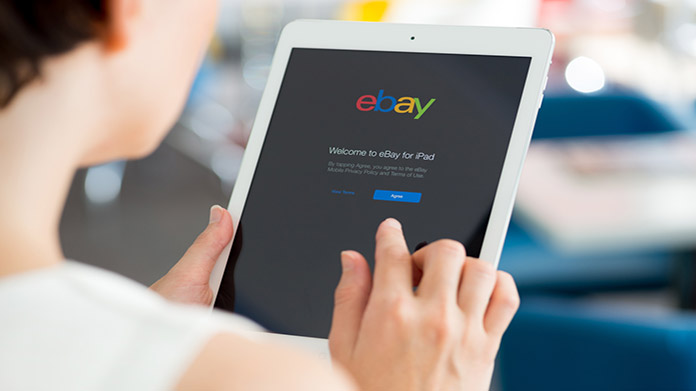
Starting an eBay business can be an exciting and rewarding business venture for entrepreneurs who are interested in e-commerce and are good at finding unique items to sell.
Having said that, you should keep in mind that launching a successful eBay business will require careful planning, a solid understanding of the platform, and a commitment to providing excellent customer service.
In this comprehensive guide, we’ll walk you through all the essential steps you’ll need to take to start your own eBay business, from choosing the right products to sell and setting up your eBay account to managing inventory, shipping items, and growing your customer base.
Our guide is in 3 parts:
The global e-commerce retail market is witnessing a period of extraordinary growth, with predictions indicating that this industry is projected to expand by approximately USD $4.06 trillion between 2024 and 2028 — which would reflect a compound annual growth rate (CAGR) of 11.2%.
This rapid growth reflects a surging demand for online shopping options across a diverse range of products and services, with e-commerce platforms making strategic shifts to cater to consumers’ evolving preferences for convenience and personalization.
One of the most significant driving forces behind this rapid expansion is the integration of artificial intelligence into online shopping platforms. This not only enhances the customer’s experience with personalized recommendations, it also enables companies to optimize inventory management, forecast consumer trends, and target audiences more effectively.
Another key factor in this industry’s growth is the increasingly seamless mobile commerce experience, which makes use of mobile-friendly features such as digital wallets and integrated payment gateways (e.g., Apple Wallet) to further spread this market’s reach and accessibility.
In terms of challenges faced by this market, the biggest one at the moment is the increased burden of sales tax since the 2018 South Dakota v. Wayfair ruling. This was a significant blow for eBay businesses, as it left anybody selling across state lines liable to pay sales tax in multiple states, as long as they either:
Earned more than $100,000 in annual revenue; or
Made 200 separate transactions in a single state
Despite its challenges, the e-commerce sector’s sustained overall growth and increasing consumer demand create a promising environment for both new and established businesses looking to succeed in the online marketplace.
If you’re considering whether an eBay business is right for you, the first thing you’ll need to know is whether it’s a) affordable, and b) worth the investment. I mean, how much can you actually make running your own eBay business?
Well, it depends. While it’s true that one of the most appealing aspects of starting an eBay business is that it barely involves any upfront costs, there are still several key expenses to bear in mind, including:
Inventory and Sourcing Costs: The primary expense for any eBay business is the cost of purchasing initial inventory, as depending on the products you choose to sell, this can set you back anywhere from $500 for low-cost items to $5,000 plus for more high-value products. Note that if you’ll be purchasing wholesale or liquidation items to sell, buying in bulk is a great way to lower per-item costs, though it will likely require a higher upfront investment.
Shipping and Packaging Supplies: In order to ensure the items you sell are sufficiently protected during shipping, you’ll need to invest in a few basic packaging supplies, such as boxes, envelopes, packing tape, and bubble wrap, which typically cost between $50 and $200 (at most) to start, depending on expected order volume. On top of this, you’ll also need to cover shipping costs, which vary based on carrier rates and item dimensions, but typically add between $3 to $10 per item shipped.
eBay Subscription Fees: To operate an eBay store, sellers can be faced with five different types of fees — including insertion, final value, advertising, shipping, and international — that are taken from their revenue. Once your business begins to start making significant profit, it can start to become financially viable to consider paying for eBay’s subscription service to reduce these seller fees, which will cost between $5 and $3,000 per year, depending on which of the five tiers you opt for.
When discussing the ongoing costs faced by an eBay business, it’s worth noting that — just like the initial expenses — these can vary widely depending on the scale and frequency of sales.
With that being said, the key ongoing expenses to bear in mind when discussing this type of business include eBay fees, shipping costs, inventory replenishment, and any storage fees for product stock.
The earning potential of your eBay business will largely depend on the types of products you sell, the particular demand within your chosen niche, and how well you manage your store’s listings.
For instance, lower-cost items like collectibles or vintage clothing may sell for $10 to $50 each, while rare or high-value items such as electronics or luxury goods could fetch anywhere from $100 to several hundred dollars or more per item.
This can make it tricky to accurately predict the exact profit margins an eBay business could make — while part-time sellers could earn between $1,000 and $3,000 per month, full-time sellers focusing on high-demand categories might be able to earn up to $5,000 or more per month.
With that in mind, whatever it is that you decide to sell, it’s important to approach an eBay business with the mindset of a full-time job rather than an easy side hustle.
It’s a common misconception that e-commerce is a way to only work a few hours a day while making six figures within a few months, even though this couldn’t be further from the truth. In fact, the key to growing your business is treating it with the dedication of a 9-5 job and staying engaged with the platform.
This is because, on top of the obvious benefits to being consistent, the eBay algorithm rewards diligent sellers who list regularly — meaning your commitment will directly contribute to the success and growth of your business.
The target market for an eBay business includes customers seeking convenience and affordability, with customers ranging from casual buyers to dedicated collectors.
Given the wide variety of users on this platform, there are ample opportunities for sellers to find demand for their items, regardless of how niche or broad they may be.
Pricing on eBay varies significantly based on the type of products and market demand. Common items like clothing or collectibles may sell for $10 to $50, while higher-value items, such as electronics or rare collectibles, can command hundreds of dollars.
Ultimately, setting competitive prices that align with customer expectations is key to maximizing sales.
Profit potential for an eBay business depends on factors like product type, niche demand, and seller experience.
While part-time sellers might earn between $1,000 and $3,000 per month, full-time sellers in high-demand categories could reach $5,000 or more. Profitability hinges on effective sourcing, pricing, and consistent management of listings and customer service.
To enhance profitability, eBay businesses should focus on consistently listing products to take advantage of the platform algorithm, maximize visibility, and build positive customer feedback.
Specializing in a niche can reduce competition and attract loyal buyers as it allows you to cater specifically to their interests and build trust within this targeted community.
Business Evaluation & Strategy Tool
We'll walk you through the four pillars every business needs: Points of Leverage, Marketing Strategy, Financial Model, and Personal Compatibility. At the end you'll see a personalized report and your action plan below will be tailored to your answers.
Every viable business has natural advantages. Below are common leverage points across four categories. Pick the ones that apply to your Ebay business. We've pre-suggested a few based on your idea — review and adjust.
Without a way to connect with customers, even great businesses fail. Pick the channels you plan to use to reach your customers.
Enter your monthly baseline costs — the minimum overhead to keep the business running. Then we'll calculate how many sales per month you need to break even.
A business that doesn't fit your life will fail no matter how good the numbers look. Tell us how this business fits you.
Complete the four pillars and your personalized summary will appear here.
Nine concrete steps to take you from idea to open business, grouped into 30-day phases. Complete the planner above and we'll highlight what's most important for your situation.
An LLC keeps your personal assets separate from business debts and lawsuits — the most common reason small business owners choose this structure. Sole proprietorships and partnerships do not provide this protection.
Apply for your free Employer Identification Number through the IRS, then register for any state or local taxes that apply to your business (sales tax, franchise tax).
A dedicated business account is required to maintain personal asset protection. Mixing personal and business finances ('piercing the corporate veil') can void your LLC's liability shield.
Recording expenses and income from day one makes tax filing easier and lets you see when the business is actually profitable. Use software (QuickBooks, Wave) or a part-time bookkeeper.
State and local requirements vary widely. Brick-and-mortar businesses typically need a Certificate of Occupancy; service businesses may need specific professional licensing; food businesses need health permits.
General Liability Insurance is the most common starting point. If you'll have employees, most states require Workers' Compensation. Specific industries need additional coverage (product liability, professional liability, etc.).
Your brand is how customers perceive and remember you. A clear name, logo, and visual identity make every later marketing decision easier and protect you legally as you grow.
Every legitimate business needs a website. Social media pages are not a substitute — you don't own the platform. Modern website builders mean you can launch a clean site in a weekend without a developer.
A dedicated business number keeps your personal life private, makes the business look legitimate, and lets you route calls professionally. Cloud phone services start under $20/month.
Starting an Ebay business typically costs $200 to $2,000. It is considered a low capital-intensity business.
An Ebay business runs roughly a 21% net profit margin, and most owners reach break-even in about 4 to 12 months.
You can usually launch an Ebay business in about 2 to 12 weeks, and it is commonly run flexible.
An Ebay business is generally an intermediate-skill business to start, with stable demand. TRUiC rates it 69 out of 100 on our Idea Score.
Most Ebay businesses register as an LLC or other legal entity and obtain a general business license. Depending on your state and city you may also need industry-specific permits, sales tax registration, and zoning or health approvals, so check your local requirements before you launch.