Startup cost
$500–$5k
TRUiC Business Ideas
Decision Snapshot
Idea Score
63
Startup cost
$500–$5k
Profit margin
8%
Break-even
4 mo–12 mo
Time to launch
2 wk–8 wk
Demand trend
Rising
5-yr failure rate
—
Capital intensity
Low
Time commitment
Flexible
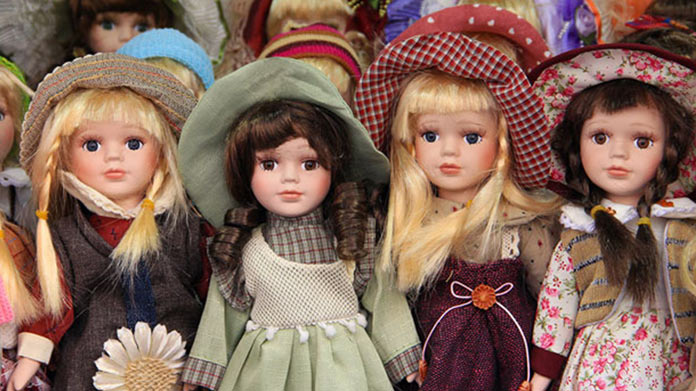
Have you ever dreamed of turning your passion for dolls into a thriving business?
If so, you’re not alone. In recent years, more and more creative individuals with a love for crafting have been finding success in the doll market, in line with the steadily growing demand for unique and personalized dolls.
Having said that, building a successful business requires more than just passion — you’ll also need a well-defined plan, attention to detail, and a clear understanding of your target market.
Our guide is in 3 parts:
The custom doll market represents a specialized niche within the broader U.S. Dolls & Stuffed Toys industry, which generates $6.7 billion in annual revenue and is projected to grow at a steady rate of 4.03% per year until 2028.
One of the primary drivers behind this market growth is the heightened focus on inclusivity and diversity in doll design, as consumers increasingly look for dolls that reflect a variety of cultures, ethnicities, body types, and abilities, thereby attracting a broader, more diverse customer base.
In addition to inclusivity, the rising popularity of collectible dolls among adults and enthusiasts has further expanded the market, adding another layer of demand that positions custom dolls as cherished keepsakes rather than simple toys.
Having said that, one of the most significant challenges custom doll businesses currently face is the influx of globally-sourced, mass-produced dolls. These are often offered at such low price points that they create intense pricing pressure, making it harder for custom makers to compete.
If you’re considering whether a custom doll business is right for you, the first thing you’ll need to know is whether it’s a) affordable, and b) worth the investment. I mean, how much can you actually make running your own custom doll business?
Well, it depends, and the initial investment for a custom doll business varies widely based on factors such as:
Materials and Supplies ($500 – $5,000): You’ll need to obtain a range of materials — including various fabrics, stuffing, and sewing notions like thread and needles — as well as specific doll-making elements such as faces, eyes, and hair materials. Ultimately, the total cost for these will vary based on the types and quantities you will require for your initial stock.
Production Equipment ($500 – $3,500): In order to produce your dolls you’ll need a sewing machine, sculpting tools, painting supplies, and any additional tools required for intricate detailing. Costs for these can vary greatly depending on the quality, brand, and features of the equipment that you select.
Workspace ($0 – $2,500/month): You may need to rent a small workshop or studio, though it’s generally recommended to work from home initially if you have adequate space, as this will significantly reduce costs in the early stages of your business.
Packaging and Shipping ($200 – $1,000): You will need to obtain packaging and shipping supplies, as well as protective materials like bubble wrap or foam to ensure your dolls arrive to customers safely.
Marketing and Advertising ($1000 – $5,000+): You will need to invest in a website, social media promotions, digital advertising, and potential partnerships with influencers to expand your brand’s reach and attract your target audience.
Branding and Design ($300 – $3,000+): You will need to create a brand identity — including elements like a logo and packaging design — by either hiring a professional to do this for you, or creating one yourself using design software like Adobe Illustrator or Canva.
It’s worth being aware that, depending on your location, you may also need to pay for various licenses and permits (see Step 6). Among others, this could include a general business license, a home occupation permit if you’re working from home, and a sales tax permit if you’ll be selling products directly to consumers.
The custom doll market offers substantial earning potential, with many businesses able to sell their dolls with markups that exceed 300%.
With that being said, while this business model is successful on balance, it’s important to always keep in mind the impact of time and labor on profitability. Creating custom dolls is a detailed process which involves casting, sculpting, painting, and intricate design work — all of which can be time-consuming.
When navigating this process, it’s common for new business owners to encounter what’s known as the “perfection paradox” — in which they try to perfect all of a product’s details, even where it doesn’t always translate into proportional profit.
In other words, the challenge faced by doll-making businesses lies in the diminishing returns on time investment. While refining your skills allows you to produce increasingly intricate creations, the market may not always reward that additional effort with higher prices.
A doll that takes five times longer to make rarely commands five times the price, meaning that the constant pursuit of improvement doesn’t always translate into proportional profit.
As such, this is why it’s important to always balance quality with efficiency, focusing not on what is the best doll you can make, but rather on what is the best doll you can sell.
The cost to start a custom doll business typically ranges between $5,000 and $50,000, depending on the specific business model you choose, the quality of the materials you source, and the extent of your marketing strategies.
You should also remember to set aside an additional 10% to 20% of your budget as a contingency fund for any unexpected expenses that may arise during the initial stages of starting your business.
Yes, you’ll typically need a business license to operate a custom doll business.
While specific requirements may vary depending on your location, you’ll almost always need to either obtain a state or local business license (sometimes both) before your custom doll business can begin operations.
Some of the main challenges faced by custom doll businesses include competition from mass-produced dolls, balancing production costs with quality, and navigating the complexities of sourcing materials.
You’ll also need to find the right mix of creativity and market demand to ensure your designs appeal to customers while staying profitable.
The earning potential in the custom doll market can be substantial, with many businesses selling custom dolls at multiple times their production cost.
A successful and well-managed custom doll business can expect to reach annual revenues exceeding $100,000, though actual earnings will depend on factors like your pricing strategy, production efficiency, and market demand.
Business Evaluation & Strategy Tool
We'll walk you through the four pillars every business needs: Points of Leverage, Marketing Strategy, Financial Model, and Personal Compatibility. At the end you'll see a personalized report and your action plan below will be tailored to your answers.
Every viable business has natural advantages. Below are common leverage points across four categories. Pick the ones that apply to your Doll Making business. We've pre-suggested a few based on your idea — review and adjust.
Without a way to connect with customers, even great businesses fail. Pick the channels you plan to use to reach your customers.
Enter your monthly baseline costs — the minimum overhead to keep the business running. Then we'll calculate how many sales per month you need to break even.
A business that doesn't fit your life will fail no matter how good the numbers look. Tell us how this business fits you.
Complete the four pillars and your personalized summary will appear here.
Nine concrete steps to take you from idea to open business, grouped into 30-day phases. Complete the planner above and we'll highlight what's most important for your situation.
An LLC keeps your personal assets separate from business debts and lawsuits — the most common reason small business owners choose this structure. Sole proprietorships and partnerships do not provide this protection.
Apply for your free Employer Identification Number through the IRS, then register for any state or local taxes that apply to your business (sales tax, franchise tax).
A dedicated business account is required to maintain personal asset protection. Mixing personal and business finances ('piercing the corporate veil') can void your LLC's liability shield.
Recording expenses and income from day one makes tax filing easier and lets you see when the business is actually profitable. Use software (QuickBooks, Wave) or a part-time bookkeeper.
State and local requirements vary widely. Brick-and-mortar businesses typically need a Certificate of Occupancy; service businesses may need specific professional licensing; food businesses need health permits.
General Liability Insurance is the most common starting point. If you'll have employees, most states require Workers' Compensation. Specific industries need additional coverage (product liability, professional liability, etc.).
Your brand is how customers perceive and remember you. A clear name, logo, and visual identity make every later marketing decision easier and protect you legally as you grow.
Every legitimate business needs a website. Social media pages are not a substitute — you don't own the platform. Modern website builders mean you can launch a clean site in a weekend without a developer.
A dedicated business number keeps your personal life private, makes the business look legitimate, and lets you route calls professionally. Cloud phone services start under $20/month.
Starting a Doll Making business typically costs $500 to $5,000. It is considered a low capital-intensity business.
A Doll Making business runs roughly a 8% net profit margin, and most owners reach break-even in about 4 to 12 months.
You can usually launch a Doll Making business in about 2 to 8 weeks, and it is commonly run flexible.
A Doll Making business is generally an intermediate-skill business to start, with rising demand. TRUiC rates it 63 out of 100 on our Idea Score.
Most Doll Making businesses register as an LLC or other legal entity and obtain a general business license. Depending on your state and city you may also need industry-specific permits, sales tax registration, and zoning or health approvals, so check your local requirements before you launch.