Startup cost
$1.0M–$10.0M
TRUiC Business Ideas
Decision Snapshot
Idea Score
36
Startup cost
$1.0M–$10.0M
Profit margin
11%
Break-even
4 mo–12 mo
Time to launch
12 wk–36 wk
Demand trend
Stable
5-yr failure rate
—
Capital intensity
Very high
Time commitment
Full time
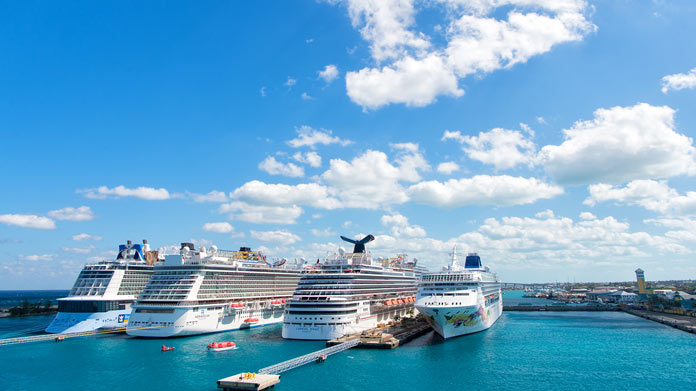
A cruise line has one or several large boats designed to accommodate numerous fun-seeking individuals. This business is centered on providing guests with a good time. Cruise liners are a place for relaxation, socialization, and romance. Cruises are in-demand as they provide people with a fun and relaxing means of vacationing. Cruise lines offer all sorts of social activities on and off the ship. This business is a fantastic way to bring people closer to one another, bolster social ties, and provide people with a sense of belonging.
Our guide is in 3 parts:
The cruise ship must be purchased or rented. Most ships are purchased. However, some cruise ships cost upwards of a billion dollars. Obtain financing, buy a small used cruise ship and gradually build toward the financing of a larger, more upscale liner. The ship must be fitted with lodging including beds and furnishings like dressers, tables, chairs etc. Cruise ships have everything from gift shops to bars, restaurants, casinos, games, spas, and beyond. Employees must be hired right away to handle cruise ship duties like customer service, food preparation, cleaning, marketing and general cruise ship management.
Ongoing expenses include cruise ship maintenance, employee wages/salaries, insurance, marketing, food, refreshments, cleaning supplies and office costs. The typical cruise ship employee will earn between $10 and $18 per hour. Professionals who handle marketing, accounting and management duties will earn between $30,000 and $60,000 per year. Cruise liner captains typically make $100,000 to $200,000 per year. Budget at least $500 to $1,000 per month for advertising purposes. Cruise ship maintenance has the potential to be a major cost. Keep several thousand dollars in reserve just in case a major problem arises. Ship supplies will cost at least $2,000 to $5,000 per month. Budget at least a couple hundred dollars per month for office supplies and utilities.
Everyone enjoys a cruise. However, cruises are particularly popular amongst singles looking for romance and a fun way to spend their vacation. Families also flock to cruises as they provide an exciting and adventurous means of vacationing. In general, adults between the ages of 21 and 70 with an abundance of discretionary income should be targeted.
This business makes money by charging people a fee for cruises. These voyages include all sorts of activities, food and lodging. Cruises typically stop at numerous locations, allowing customers to engage in fun activities like shopping and dining off the ship. The majority of cruise lines give customers the option of purchasing more expensive deluxe packages that include luxurious activities such as spa treatments.
Cruises range from $50 per person per day all the way up to several hundred dollars or more per person per day. Consider charging customers a flat rate for a cruise trip that spans several days and nights.
The profitability of a cruise line business depends on numerous factors such as customer demand and the ship’s maintenance requirements. A single cruise ship has the potential to generate a profit in the range of six figures. Add more cruise ships to your business and it is possible to make millions of dollars or more per year. As an example, Carnival Cruise Line posted a profit of $2.8 billion in 2016.
Add up-sell extras like massages, spa treatments, luxurious lodging and other niceties. Add quarter-operated arcade machines and pool tables to the ship’s gaming section. Consider also adding a casino to generate additional profit.
Customers are on-boarded, brought to visually stunning destinations, fed, entertained, and lodged. Most cruises have scheduled stops in which customers can temporarily depart to enjoy the local offerings. Just about everything that happens on land can and does happen on cruise ships. Cruise ships offer everything from fine dining to movies, gambling, shuffleboard, and beyond.
If you have experience in the hospitality industry, yachting, sailing or any sort of business relating to the water, it will help in your push to launch a cruise line. This way you will already be familiar with some of the laws that goveroperating a cruise line business.
It will also help to have a strong business background. Due to the expensive nature of this business, it requires a great deal of financial planning, advertising, and staff management in order to be successful.
Cruise lines have never been more popular. Everyone from singles looking for romance to tourists and families are interested in taking a cruise line to one or several destinations. Invest in a quality cruise ship, carefully select your routes and you can grow this business quite quickly. Gradually add ships and your business just might turn into an international empire akin to the Carnival Cruise Line.
Planning the cruise line’s routes is of the utmost importance. The path the ship covers matters a great deal to prospective customers. Carefully select the ship’s routes to maximize appeal. Furthermore, all of the on-board details should be considered down to the very last detail. Everything from the dining options to entertainment options, lodging, and other offerings must be carefully selected. Oftentimes, the cruise ships with the most activities and entertainment offerings prove to be the most successful. Add shuffleboard courts, ping pong tables, pool tables, arcade machines, gym equipment, and other activities to keep guests active and entertained at all times.
This is the type of business that requires a robust team. The cruise ship will require dozens of employees for guest services. Employees are necessary for everything from food preparation to ship maintenance, captaining the ship, marketing, ship management, room cleaning, and beyond. Though you can initially handle the marketing duties and possibly the accounting responsibilities, all other duties must be delegated to trusted employees.
Business Evaluation & Strategy Tool
We'll walk you through the four pillars every business needs: Points of Leverage, Marketing Strategy, Financial Model, and Personal Compatibility. At the end you'll see a personalized report and your action plan below will be tailored to your answers.
Every viable business has natural advantages. Below are common leverage points across four categories. Pick the ones that apply to your Cruise Line business. We've pre-suggested a few based on your idea — review and adjust.
Without a way to connect with customers, even great businesses fail. Pick the channels you plan to use to reach your customers.
Enter your monthly baseline costs — the minimum overhead to keep the business running. Then we'll calculate how many sales per month you need to break even.
A business that doesn't fit your life will fail no matter how good the numbers look. Tell us how this business fits you.
Complete the four pillars and your personalized summary will appear here.
Nine concrete steps to take you from idea to open business, grouped into 30-day phases. Complete the planner above and we'll highlight what's most important for your situation.
An LLC keeps your personal assets separate from business debts and lawsuits — the most common reason small business owners choose this structure. Sole proprietorships and partnerships do not provide this protection.
Apply for your free Employer Identification Number through the IRS, then register for any state or local taxes that apply to your business (sales tax, franchise tax).
A dedicated business account is required to maintain personal asset protection. Mixing personal and business finances ('piercing the corporate veil') can void your LLC's liability shield.
Recording expenses and income from day one makes tax filing easier and lets you see when the business is actually profitable. Use software (QuickBooks, Wave) or a part-time bookkeeper.
State and local requirements vary widely. Brick-and-mortar businesses typically need a Certificate of Occupancy; service businesses may need specific professional licensing; food businesses need health permits.
General Liability Insurance is the most common starting point. If you'll have employees, most states require Workers' Compensation. Specific industries need additional coverage (product liability, professional liability, etc.).
Your brand is how customers perceive and remember you. A clear name, logo, and visual identity make every later marketing decision easier and protect you legally as you grow.
Every legitimate business needs a website. Social media pages are not a substitute — you don't own the platform. Modern website builders mean you can launch a clean site in a weekend without a developer.
A dedicated business number keeps your personal life private, makes the business look legitimate, and lets you route calls professionally. Cloud phone services start under $20/month.
Starting a Cruise Line business typically costs $1,000,000 to $10,000,000. It is considered a very high capital-intensity business.
A Cruise Line business runs roughly a 11% net profit margin, and most owners reach break-even in about 4 to 12 months.
You can usually launch a Cruise Line business in about 12 to 36 weeks, and it is commonly run full time.
A Cruise Line business is generally an expert-skill business to start, with stable demand. TRUiC rates it 36 out of 100 on our Idea Score.
Most Cruise Line businesses register as an LLC or other legal entity and obtain a general business license. Depending on your state and city you may also need industry-specific permits, sales tax registration, and zoning or health approvals, so check your local requirements before you launch.