Startup cost
$50k–$100k
TRUiC Business Ideas
Decision Snapshot
Idea Score
58
Startup cost
$50k–$100k
Profit margin
11%
Break-even
4 mo–12 mo
Time to launch
12 wk–36 wk
Demand trend
Rising
5-yr failure rate
—
Capital intensity
High
Time commitment
Full time
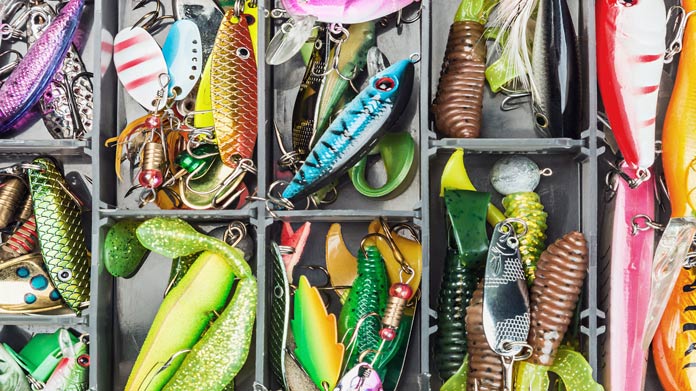
A bait and tackle shop is a fisherman’s go-to supply shop for bait. Normally, a bait and tackle shop is located near boat launches, piers, and lakes. If they’re licensed, a bait and tackle shop can make extra money by selling drinks and beer to fisherman. Some bait and tackle shops also sell snacks.
Our guide is in 3 parts:
Bait and tackle shop startup costs are low. Normally, it takes $5,000 to start one. This cost covers the rent, the utilities, and insurance. It will also cover the shop’s basic supplies, like tanks, aerators, refrigeration, gear, tackle, and vending machines. As a bait tackle shop grows, it’ll need more supplies to keep fishers happy.
A bait and tackle shop needs to source its live bait. Typically, it catches its own. Expenses include gasoline for water trips and bait nets. If you want to source your own bait from another provider, expect to pay about $20 per bucket of shiners, snappers, suckers, or fat heads.
The ideal customers are fishermen. Instead of targeting a specific type of client, focus on the area. Establish your bait and tackle shop near a beach, a pier, a lake, or a river. Preferred clients are locals, because they buy bait in bulk. If you have to pay extra money for an extra location, do it. It’s worthwhile to pick a location with return customers.
Many bait and tackle shops make money by selling bait alone. Some bait stands, in fact, only have a single tank with live bait. Others, meanwhile, offer lures, hooks, line, and even spare rod pieces. Depending on the location, a bait and tackle shop will offer different items. Ocean fishing is different than freshwater fishing, and it needs additional gear.
Bait and tackle shops can also sell food and drinks for money. Some shops sell beer and liquor. Other shops may open a café. While rare, some shops are also seafood restaurants. Really, it depends on the shop’s location. Bait can be charged by the bucket, or it can be charged by individual fish, worm, etc. Tackle is sold on a per item basis.
Charge customers between 25 and 95 cents for live bait, per bait. Fishing lures can be priced between 95 cents and $10. As for tackle, prices range from $15 to $80, depending on what you’re selling. If you’re selling rod necessities, like spinning reels, you can sell products up to $100.
A good bait and tackle shop can make about $45,000 per year, if it’s small. Larger franchised bait and tackle shops, meanwhile, can make over $200,000 in profit per year. A lot of a bait and tackle shop’s success depends on its availability—as well as the area’s fishing needs.
Commercial fishing is a big business, but it might not be big in your area. Instead of expanding your floor space off the bat, look for better locations. Host special events like contests, and sponsor charitable community work.
Bait and tackle shop owners have several responsibilities. First, they need to maintain the live bait. To do so, they need to keep the tanks, aerators, and water supplies clean. Bait and tackle shop owners must also keep bait and tackle stocked. They should also make sure other bait is refrigerated. Vending machines need to be restocked, and customers need to be kept happy. A successful bait and tackle shop owner also cleans, works the register, markets, and manages the area.
A successful bait and tackle shop will understand the area. They’ll know which fish can be caught, and they’ll also know how to catch them. More importantly: They’ll know how to use their bait.
A good bait and tackle shop will also offer high-quality lures, bait, and tackle. Fishers lose their tackle and bait a lot, and they’ll pay extra for high-quality products. If your bait and tackle shop is on a pier, near a restaurant, or on the beach, it’ll need to be noninvasive. Serve customers, give information, and let them fish.
Normally, bait and tackle shops stay local. It’s rare to see a bait and tackle chain, but they do exist. Large bait and tackle shops may expand, stocking hunting, camping, and survival supplies. Stores like Outdoor World, for example, sell many supplies.
For the most part, a bait and tackle shop will serve a very specific area. Fishers search by location, when fishing. For this reason, they’ll buy bait and tackle from whichever shop is closest. There isn’t too much competition with bait and tackle shops, but you should still have a competitive pricing mindset. If your shop is in a popular fishing area, fishers may still turn to other shops if their prices are better.
Invest in an underperforming, unprofitable location. When you’re starting, you’re better off relying on low expenses. Determine your competition, and consider competing with existing shops. It can take a tackle shop some time to get started, but they can become powerful local shops once they’ve gained footing.
You can operate a bait and tackle shop alone at first. Soon, however, you should bring on at least two or three employees. These employees will need to help with bait refrigeration, cleaning, processing orders, and stocking the shop. If you plan on franchising, you’ll need to have a team of at least five employees.
Business Evaluation & Strategy Tool
We'll walk you through the four pillars every business needs: Points of Leverage, Marketing Strategy, Financial Model, and Personal Compatibility. At the end you'll see a personalized report and your action plan below will be tailored to your answers.
Every viable business has natural advantages. Below are common leverage points across four categories. Pick the ones that apply to your Bait And Tackle business. We've pre-suggested a few based on your idea — review and adjust.
Without a way to connect with customers, even great businesses fail. Pick the channels you plan to use to reach your customers.
Enter your monthly baseline costs — the minimum overhead to keep the business running. Then we'll calculate how many sales per month you need to break even.
A business that doesn't fit your life will fail no matter how good the numbers look. Tell us how this business fits you.
Complete the four pillars and your personalized summary will appear here.
Nine concrete steps to take you from idea to open business, grouped into 30-day phases. Complete the planner above and we'll highlight what's most important for your situation.
An LLC keeps your personal assets separate from business debts and lawsuits — the most common reason small business owners choose this structure. Sole proprietorships and partnerships do not provide this protection.
Apply for your free Employer Identification Number through the IRS, then register for any state or local taxes that apply to your business (sales tax, franchise tax).
A dedicated business account is required to maintain personal asset protection. Mixing personal and business finances ('piercing the corporate veil') can void your LLC's liability shield.
Recording expenses and income from day one makes tax filing easier and lets you see when the business is actually profitable. Use software (QuickBooks, Wave) or a part-time bookkeeper.
State and local requirements vary widely. Brick-and-mortar businesses typically need a Certificate of Occupancy; service businesses may need specific professional licensing; food businesses need health permits.
General Liability Insurance is the most common starting point. If you'll have employees, most states require Workers' Compensation. Specific industries need additional coverage (product liability, professional liability, etc.).
Your brand is how customers perceive and remember you. A clear name, logo, and visual identity make every later marketing decision easier and protect you legally as you grow.
Every legitimate business needs a website. Social media pages are not a substitute — you don't own the platform. Modern website builders mean you can launch a clean site in a weekend without a developer.
A dedicated business number keeps your personal life private, makes the business look legitimate, and lets you route calls professionally. Cloud phone services start under $20/month.
Starting a Bait And Tackle business typically costs $50,000 to $100,000. It is considered a high capital-intensity business.
A Bait And Tackle business runs roughly a 11% net profit margin, and most owners reach break-even in about 4 to 12 months.
You can usually launch a Bait And Tackle business in about 12 to 36 weeks, and it is commonly run full time.
A Bait And Tackle business is generally an intermediate-skill business to start, with rising demand. TRUiC rates it 58 out of 100 on our Idea Score.
Most Bait And Tackle businesses register as an LLC or other legal entity and obtain a general business license. Depending on your state and city you may also need industry-specific permits, sales tax registration, and zoning or health approvals, so check your local requirements before you launch.