Startup cost
$50k–$500k
TRUiC Business Ideas
Decision Snapshot
Idea Score
50
Startup cost
$50k–$500k
Profit margin
29%
Break-even
4 mo–12 mo
Time to launch
12 wk–36 wk
Demand trend
Stable
5-yr failure rate
—
Capital intensity
Very high
Time commitment
Full time
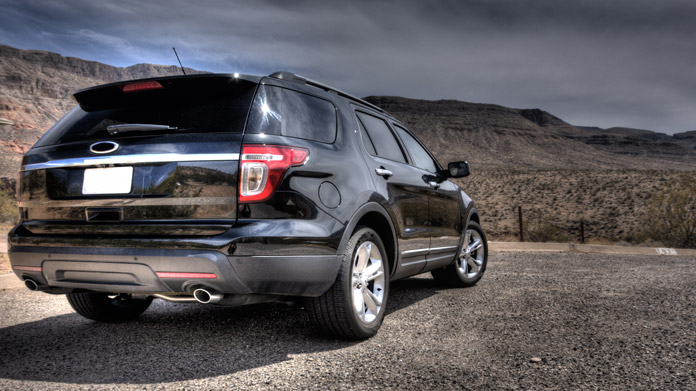
A car rental business rents vehicles at affordable daily and weekly prices. All sorts of different parties are interested in car rentals. Common customers include business and leisure travelers, those whose vehicles are out of commission and businesses.
Our guide is in 3 parts:
The business will require a fleet of vehicles, an office, computers, printers, high-speed Internet, the payment of incorporation fees, insurance for the business and automobiles, vehicle maintenance tools, a closed circuit camera system, employee wages/salaries, and marketing efforts.
Ongoing expenses include employee wages/salaries, utilities, insurance, the addition of new vehicles to the fleet, servicing the fleet, office/parking lot rent, high-speed Internet, marketing, and website maintenance. The lowest level employees will make between $8 and $12 per hour. An on-site mechanic will command a salary between $35,000 and $70,000. Bring a marketing professional on board and he will require an annual salary in the range of $30,000 to $65,000. The same salary rate applies to an accountant and web designer. Insurance is necessary to protect your business as well as the automobiles. Budget at least $500 to $1,000 per month for this expense.
Utilities including high-speed Internet will run several hundred dollars per month. You can purchase or lease vehicles that will be added to the fleet. Anticipate adding a new vehicle every couple of months so always have at least $20,000 to $30,000 on-hand for such a purchase. Extrapolate this cost across the entire year and new additions to the fleet will likely cost $100,000 per year if purchased outright. Servicing your fleet of vehicles will likely cost between $500 and $1,000 or more per month, depending on how many customers you have. The cost of your office/lot rent will likely be between $700 per month and several thousands of dollars per month. Allocate at least $500 to $1,000 per year for website improvements. Budget around $500 per month for marketing.
The ideal customer is a business that requires numerous car rentals for employees. Another coveted customer persona is a group of business travelers who are willing to spend a considerable amount of money on car rentals while away from home.
A car rental business makes money by renting automobiles to those who need a means of transportation while away from home, to embark on a trip or as a substitute for a vehicle that is being repaired.
Rates for car rentals differ by the quality of vehicle and the location. In general, the low end of car rentals, such as a Nissan Versa, cost around $35 to $50 per day. Upscale car rentals like a Mercedes-Benz or Lexus will run upwards of $100 to $200 or more per day.
Your car rental business can rake in the cash if you have an optimal location, a diverse fleet of vehicles, and competitive rates. It is possible to make $50,000 to $100,000 in the first couple of years. Continue to grow your business and you will eventually reach the mid-six figure mark. Expand across the region and/or nation and your car rental business can make millions of dollars per year.
Consider selling the old automobiles in your fleet. If certain vehicles are no longer en vogue from a style perspective, sell them or trade them in. You can charge extra for various levels of auto insurance. It is prudent to establish relationships with local car dealerships so they can steer customers your way when vehicles are being serviced or repaired.
The typical car rental business owner spends time researching new vehicles, making decisions about his fleet of vehicles, making marketing decisions, delegating work duties to employees, and establishing alliances with local businesses.
It is important to understand the needs and desires of your target customers. Gain an in-depth understanding of automobiles, automobile trends, travelers, business professionals, and marketing. It will also help to have superior people skills to generate inroads with decision-makers at businesses that require car rentals.
The growth potential of your car rental business depends on the location, the quality of your fleet and your marketing savvy. Location is the most important factor. Establish your car rental business in an area with plenty of business travelers and others who are likely to need a temporary means of transportation and your business might grow quite quickly. It is possible to grow to the point that you expand the business across the region, the state and even throughout the nation.
It will likely help to pinpoint a niche. Perhaps your area receives an abundance of business travelers. Pick out vehicles that appeal to these individuals. Market in mediums that such target customers are likely to be exposed to. However, you should not neglect other customers such as leisure travelers. Have numerous different vehicles ready for rent at all times of the year that appeal to customers of all interests and backgrounds.
Be on the prowl for marketing alliances. If a hotel is located near your car rental business, propose a deal. It might be possible to refer customers to this hotel in return for referrals to your car rental business. If you establish such a relationship, assemble a brochure that explains the alliance with the hotel. It is even possible to coordinate the placement of this brochure or other marketing materials in the hotel.
Your website is of the utmost importance. It should be enhanced for search engines (SEO) and compatible with mobile devices. Bring on a web programmer and user experience designer to polish the website and build a mobile app so customers can rent a vehicle in moment’s notice from their smartphone or other mobile device.
A couple of employees are necessary when launching your car rental business. It will be helpful to have someone answer the phone to take reservations and answer questions. You will also need an auto mechanic to service your fleet of vehicles. A vehicle cleaner will come in handy to keep vehicles looking their best on the inside and out. You can add more employees as the business grows. A marketing guru, an accountant, and an administrator will eventually be necessary.
Business Evaluation & Strategy Tool
We'll walk you through the four pillars every business needs: Points of Leverage, Marketing Strategy, Financial Model, and Personal Compatibility. At the end you'll see a personalized report and your action plan below will be tailored to your answers.
Every viable business has natural advantages. Below are common leverage points across four categories. Pick the ones that apply to your Car Rental business. We've pre-suggested a few based on your idea — review and adjust.
Without a way to connect with customers, even great businesses fail. Pick the channels you plan to use to reach your customers.
Enter your monthly baseline costs — the minimum overhead to keep the business running. Then we'll calculate how many sales per month you need to break even.
A business that doesn't fit your life will fail no matter how good the numbers look. Tell us how this business fits you.
Complete the four pillars and your personalized summary will appear here.
Nine concrete steps to take you from idea to open business, grouped into 30-day phases. Complete the planner above and we'll highlight what's most important for your situation.
An LLC keeps your personal assets separate from business debts and lawsuits — the most common reason small business owners choose this structure. Sole proprietorships and partnerships do not provide this protection.
Apply for your free Employer Identification Number through the IRS, then register for any state or local taxes that apply to your business (sales tax, franchise tax).
A dedicated business account is required to maintain personal asset protection. Mixing personal and business finances ('piercing the corporate veil') can void your LLC's liability shield.
Recording expenses and income from day one makes tax filing easier and lets you see when the business is actually profitable. Use software (QuickBooks, Wave) or a part-time bookkeeper.
State and local requirements vary widely. Brick-and-mortar businesses typically need a Certificate of Occupancy; service businesses may need specific professional licensing; food businesses need health permits.
General Liability Insurance is the most common starting point. If you'll have employees, most states require Workers' Compensation. Specific industries need additional coverage (product liability, professional liability, etc.).
Your brand is how customers perceive and remember you. A clear name, logo, and visual identity make every later marketing decision easier and protect you legally as you grow.
Every legitimate business needs a website. Social media pages are not a substitute — you don't own the platform. Modern website builders mean you can launch a clean site in a weekend without a developer.
A dedicated business number keeps your personal life private, makes the business look legitimate, and lets you route calls professionally. Cloud phone services start under $20/month.
Starting a Car Rental business typically costs $50,000 to $500,000. It is considered a very high capital-intensity business.
A Car Rental business runs roughly a 29% net profit margin, and most owners reach break-even in about 4 to 12 months.
You can usually launch a Car Rental business in about 12 to 36 weeks, and it is commonly run full time.
A Car Rental business is generally an intermediate-skill business to start, with stable demand. TRUiC rates it 50 out of 100 on our Idea Score.
Most Car Rental businesses register as an LLC or other legal entity and obtain a general business license. Depending on your state and city you may also need industry-specific permits, sales tax registration, and zoning or health approvals, so check your local requirements before you launch.