Startup cost
$5k–$50k
TRUiC Business Ideas
Decision Snapshot
Idea Score
68
Startup cost
$5k–$50k
Profit margin
29%
Break-even
4 mo–12 mo
Time to launch
12 wk–36 wk
Demand trend
Stable
5-yr failure rate
—
Capital intensity
High
Time commitment
Full time
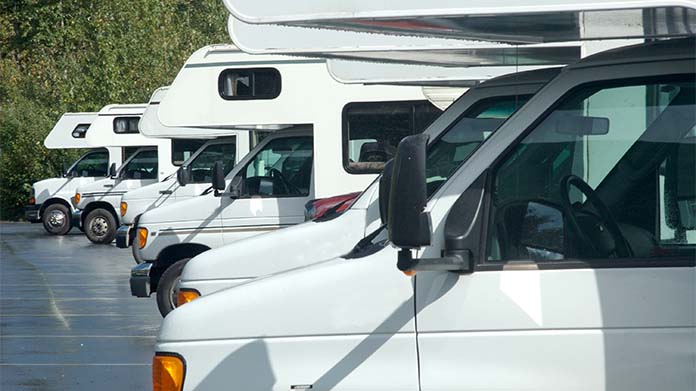
Campers have been a popular way for families to travel and see the sights this country has to offer since the 1960s. Until recently, however, recreational vehicle traveling was limited, due to the high costs associated with owning and maintaining a camper. With the dawn of peer-to-peer camper rental sites, such as RV Share and Outdoorsy, travelers are now able to rent the size and style camper that fits their needs, without the hefty price tag.
Our guide is in 3 parts:
When developing your business plan, you will need to consider how many and what style(s) recreational vehicles you plan to offer. The bulk of your investment will go towards the purchase of those rentals. Depending upon age, type, size, and features, each unit can set you back anywhere from $20,000 to over $300,000. Additionally, you will need damage and liability insurance, marketing materials, an intuitive website, and a dedicated storage area for when your units are not in use.
Your rental campers are the linchpin of your business. Therefore, maintenance and repair will represent a large part of your business’ ongoing budget. Your business plan should include the following ongoing expenses:
Preventative maintenance – inside and out
Cleaning in between rentals
Insurance
Storage
Advertising
Partnership fees
Your marketing efforts should focus on individuals and families who enjoy the outdoors and are looking for a more luxurious experience than what tent camping has to offer.
A camper rental business generates revenue through rental fees collected from each client. Fees vary depending upon a number of factors, including size and type of camper and number of days rented.
Rental fees vary depending upon a variety of factors, including type, size, and style. Most organizations charge a nightly rate, with special packages for longer stays. RV rentals typically offer limited free mileage and an average of $0.35 per mile once the mileage limit has been met. Industry leaders encourage startups to research competitor pricing and carefully consider all ongoing expenses when setting their fees.
The top platforms report an average weekly booking of $1,300. Rentals booked through those platforms pay camper owners 25%, yielding between $300 and $400 per week. Entrepreneurs venturing out on their own will need to work harder to reach potential customers but will earn 100% of all rental fees, minus ongoing expenses.
To maximize profits, business owners should continually look for new ways to improve their services and expand their rental fleet. Those looking for long-term growth would also benefit from launching and managing their own rental website that helps other camper owners with the rental of their units.
As a camper rental business owner, your primary focus will be on customer service. Your day-to-day activities will include acquiring new clients, booking return customers, ensuring your rentals are maintained on online rental platforms, responding to inquiries, putting together quotes, finalizing booking details and contracts, and collecting payments. Additionally, you and your team are responsible for routine maintenance and addressing any issues that may arise while the renter is out on the road.
The ability to communicate with individuals from varying backgrounds is critical to the success of a camper rental business. Customers will look to you for guidance regarding the type of rental that best fits their needs. Your customer service, however, does not stop once a contract is signed. Many will rely on your knowledge of camper traveling, state and national park regulations, best travel routes, and potential issues that could arise during their travels. Additionally, a basic knowledge of the mechanics of your camper would prove beneficial.
According to a recent study, over 35 million people rent campers each year. This number is expected to increase significantly in the years to come, making this the ideal time to invest in this business venture. Entrepreneurs looking to expand will need to reinvest their earnings back into the business, purchasing additional camper options for potential customers.
While camper rental is a fairly new trend, it’s important to remember that your unit is not the only option available to consumers. To realize long-term growth and success, entrepreneurs must show they have something to offer that sets them apart from the rest. Put yourself in their shoes and consider the novice RVer’s needs. What can you do to ensure they have a fun and relaxing experience?
Entrepreneurs who have realized success in this field recommend investing in a travel trailer or 5th wheel. While delivering and parking the camper may create additional work on your part, it will save you both time and money in the long run. Depreciation of your investment due to high mileage is limited and the inexperienced camper is less likely to cause significant damage stemming from towing/driving the unit. Startup entrepreneurs are also encouraged to enforce pet and cancellation policies and properly match maximum occupancy numbers.
Most startup camper rental businesses can be effectively managed by one or two people. Your customer service representative should possess strong communication skills and be enthusiastic about ensuring each renter has a positive experience. While it is not necessary to keep a technician on payroll, it is critical that you can call on experienced professionals for routine maintenance and repairs, particularly when a renter runs into an issue.
Business Evaluation & Strategy Tool
We'll walk you through the four pillars every business needs: Points of Leverage, Marketing Strategy, Financial Model, and Personal Compatibility. At the end you'll see a personalized report and your action plan below will be tailored to your answers.
Every viable business has natural advantages. Below are common leverage points across four categories. Pick the ones that apply to your Camper Rental business. We've pre-suggested a few based on your idea — review and adjust.
Without a way to connect with customers, even great businesses fail. Pick the channels you plan to use to reach your customers.
Enter your monthly baseline costs — the minimum overhead to keep the business running. Then we'll calculate how many sales per month you need to break even.
A business that doesn't fit your life will fail no matter how good the numbers look. Tell us how this business fits you.
Complete the four pillars and your personalized summary will appear here.
Nine concrete steps to take you from idea to open business, grouped into 30-day phases. Complete the planner above and we'll highlight what's most important for your situation.
An LLC keeps your personal assets separate from business debts and lawsuits — the most common reason small business owners choose this structure. Sole proprietorships and partnerships do not provide this protection.
Apply for your free Employer Identification Number through the IRS, then register for any state or local taxes that apply to your business (sales tax, franchise tax).
A dedicated business account is required to maintain personal asset protection. Mixing personal and business finances ('piercing the corporate veil') can void your LLC's liability shield.
Recording expenses and income from day one makes tax filing easier and lets you see when the business is actually profitable. Use software (QuickBooks, Wave) or a part-time bookkeeper.
State and local requirements vary widely. Brick-and-mortar businesses typically need a Certificate of Occupancy; service businesses may need specific professional licensing; food businesses need health permits.
General Liability Insurance is the most common starting point. If you'll have employees, most states require Workers' Compensation. Specific industries need additional coverage (product liability, professional liability, etc.).
Your brand is how customers perceive and remember you. A clear name, logo, and visual identity make every later marketing decision easier and protect you legally as you grow.
Every legitimate business needs a website. Social media pages are not a substitute — you don't own the platform. Modern website builders mean you can launch a clean site in a weekend without a developer.
A dedicated business number keeps your personal life private, makes the business look legitimate, and lets you route calls professionally. Cloud phone services start under $20/month.
Starting a Camper Rental business typically costs $5,000 to $50,000. It is considered a high capital-intensity business.
A Camper Rental business runs roughly a 29% net profit margin, and most owners reach break-even in about 4 to 12 months.
You can usually launch a Camper Rental business in about 12 to 36 weeks, and it is commonly run full time.
A Camper Rental business is generally an intermediate-skill business to start, with stable demand. TRUiC rates it 68 out of 100 on our Idea Score.
Most Camper Rental businesses register as an LLC or other legal entity and obtain a general business license. Depending on your state and city you may also need industry-specific permits, sales tax registration, and zoning or health approvals, so check your local requirements before you launch.