Startup cost
$50k–$500k
TRUiC Business Ideas
Decision Snapshot
Idea Score
41
Startup cost
$50k–$500k
Profit margin
10%
Break-even
18 mo–36 mo
Time to launch
12 wk–36 wk
Demand trend
Rising
5-yr failure rate
—
Capital intensity
Very high
Time commitment
Full time
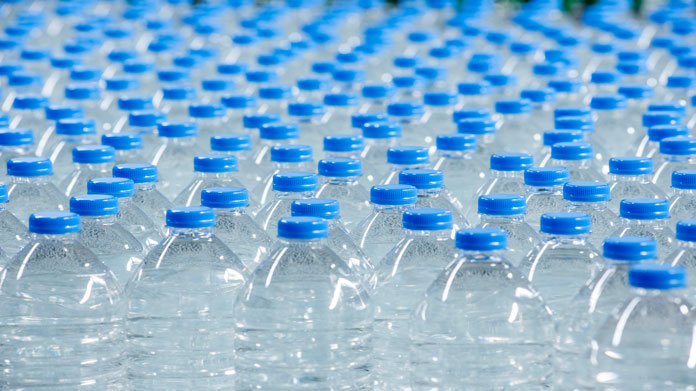
Starting a bottled water business can be a lucrative venture, but it requires both careful planning and a thorough understanding of the industry.
This guide will provide a brief industry overview of the costs and earning potential that can be involved, as well as walk you through all of the essential steps you’ll need to take to get started.
Our guide is in 3 parts:
The bottled water industry is experiencing strong growth globally, with the market projected to reach a value of $350 billion by 2025.
The U.S. bottled water market generates around $19.4 billion in revenue annually, with a compound annual growth rate (CAGR) of 5.4% from 2017 to 2022.
One of the main reasons for this growth is increasing consumer concerns over water purity and health, coupled with a growing emphasis on environmentally friendly packaging, which has driven the industry’s expansion.
As of 2024, an estimated 1,200 enterprises are operating in the U.S. bottled water industry, including both large-scale companies and smaller, independent brands, collectively selling over 14 billion gallons of bottled water per year.
This competitive landscape presents opportunities for new entrants who can differentiate themselves through branding, quality, and innovation.
If you’re considering whether a bottled water business is right for you, the first thing you’ll need to know is whether it’s a) affordable, and b) worth the investment. I mean, how much can you actually make running your own bottled water business?
Starting a bottled water business requires a significant upfront investment, with costs varying depending on factors such as the location, equipment, and scale of operations.
Below is a breakdown of the major expenses you can expect to face:
Water Source Acquisition: This could involve securing groundwater rights, purchasing or leasing access to natural springs, setting up a private well, or establishing contracts with municipal sources. Costs can range from $10,000 to $100,000, depending on the source and region.
Bottling Equipment: The cost of purchasing or leasing bottling lines for production can range from $150,000 to $1,000,000, depending on factors such as equipment capacity, automation levels, and whether you opt for new or second-hand machinery.
Facility Costs: Setting up a production facility, whether leased or purchased, involves significant costs. These can range from $50,000 to $500,000+, depending on the facility’s size, location, and the specific equipment required to meet your operational needs.
Licenses and Permits: Bottled water businesses must comply with federal, state, and local regulations, including FDA registration, state bottled water permits, environmental permits, and local business licenses. The total cost of obtaining these licenses and permits is typically in the range of $50,000+, depending on your location and the specific regulations that apply to your operation.
Branding and Packaging: The cost of creating custom bottle designs and labels, as well as sourcing eco-friendly packaging materials, generally falls between $20,000 to $50,000. Keep in mind that ongoing packaging costs will scale with your production volume, so higher sales will increase your total packaging expenses.
Note: Keep in mind that, while opting for second-hand equipment may lower your initial investment, it will likely require more maintenance, potentially leading to higher long-term costs.
Running a bottled water business involves a range of ongoing costs, including employee wages, utilities, transportation, and facility maintenance. Below is a more detailed look at the key operational expenses you will need to plan for:
Staffing Costs: The annual cost of hiring employees to operate machinery, manage distribution, and oversee quality control can range from $30,000 to $100,000 per employee, depending on their experience and specific roles within the business.
Utilities and Maintenance: Depending on the size of your operation, you can expect to pay between $5,000 and $40,000 per month in utilities, maintenance, and quality assurance tests.
Marketing and Advertising: For small-scale bottled water businesses, marketing expenses typically range from $10,000 to $50,000 annually. This budget generally covers local advertising, social media campaigns, and packaging design.
Note: If you’re planning to scale your business and target a broader market, be prepared for significantly higher marketing and branding costs, as larger-scale operations often require more extensive campaigns and promotional strategies.
Once established, a bottled water business can generate substantial revenue, depending on its scale and distribution. Wholesale prices typically range from $0.20 to $0.50 per gallon, while retail prices for individual bottles (16-20 oz) usually fall between $1 to $2.
On average, successful small- to mid-size bottled water businesses in this sector generate $500,000 to $5 million annually, with profit margins ranging between 10% and 35%.
Larger regional and national brands, on the other hand, can reach revenues in the $10 to $25+ million range.
No, you don’t need specific FDA approval to sell bottled water. However, you will need to register your facility with the FDA, follow Good Manufacturing Practices (GMPs), and meet FDA safety standards to legally produce and sell bottled water in the U.S.
To start a bottled water business, you will need to create a business plan, secure a reliable water source, and invest in bottling equipment.
You will also need to register your business, obtain the necessary licenses and permits, comply with FDA regulations, and establish a distribution network to get your product to retailers or directly to consumers.
The cost to start a bottled water company usually ranges between $150,000 and $1 million+.
This will vary based on factors like the size of your facility, the type of bottling equipment that you will use, and whether you’re sourcing water from a private well, spring, or municipal supply.
Most bottled water businesses typically see profit margins that range between 10% and 35%, depending on factors such as production efficiency, distribution costs, and the strength of their branding.
Business Evaluation & Strategy Tool
We'll walk you through the four pillars every business needs: Points of Leverage, Marketing Strategy, Financial Model, and Personal Compatibility. At the end you'll see a personalized report and your action plan below will be tailored to your answers.
Every viable business has natural advantages. Below are common leverage points across four categories. Pick the ones that apply to your Bottled Water business. We've pre-suggested a few based on your idea — review and adjust.
Without a way to connect with customers, even great businesses fail. Pick the channels you plan to use to reach your customers.
Enter your monthly baseline costs — the minimum overhead to keep the business running. Then we'll calculate how many sales per month you need to break even.
A business that doesn't fit your life will fail no matter how good the numbers look. Tell us how this business fits you.
Complete the four pillars and your personalized summary will appear here.
Nine concrete steps to take you from idea to open business, grouped into 30-day phases. Complete the planner above and we'll highlight what's most important for your situation.
An LLC keeps your personal assets separate from business debts and lawsuits — the most common reason small business owners choose this structure. Sole proprietorships and partnerships do not provide this protection.
Apply for your free Employer Identification Number through the IRS, then register for any state or local taxes that apply to your business (sales tax, franchise tax).
A dedicated business account is required to maintain personal asset protection. Mixing personal and business finances ('piercing the corporate veil') can void your LLC's liability shield.
Recording expenses and income from day one makes tax filing easier and lets you see when the business is actually profitable. Use software (QuickBooks, Wave) or a part-time bookkeeper.
State and local requirements vary widely. Brick-and-mortar businesses typically need a Certificate of Occupancy; service businesses may need specific professional licensing; food businesses need health permits.
General Liability Insurance is the most common starting point. If you'll have employees, most states require Workers' Compensation. Specific industries need additional coverage (product liability, professional liability, etc.).
Your brand is how customers perceive and remember you. A clear name, logo, and visual identity make every later marketing decision easier and protect you legally as you grow.
Every legitimate business needs a website. Social media pages are not a substitute — you don't own the platform. Modern website builders mean you can launch a clean site in a weekend without a developer.
A dedicated business number keeps your personal life private, makes the business look legitimate, and lets you route calls professionally. Cloud phone services start under $20/month.
Starting a Bottled Water business typically costs $50,000 to $500,000. It is considered a very high capital-intensity business.
A Bottled Water business runs roughly a 10% net profit margin, and most owners reach break-even in about 18 to 36 months.
You can usually launch a Bottled Water business in about 12 to 36 weeks, and it is commonly run full time.
A Bottled Water business is generally an intermediate-skill business to start, with rising demand. TRUiC rates it 41 out of 100 on our Idea Score.
Most Bottled Water businesses register as an LLC or other legal entity and obtain a general business license. Depending on your state and city you may also need industry-specific permits, sales tax registration, and zoning or health approvals, so check your local requirements before you launch.