Startup cost
$20k–$100k
TRUiC Business Ideas
Decision Snapshot
Idea Score
47
Startup cost
$20k–$100k
Profit margin
5%
Break-even
9 mo–24 mo
Time to launch
24 wk
Demand trend
Stable
5-yr failure rate
—
Capital intensity
High
Time commitment
Full time
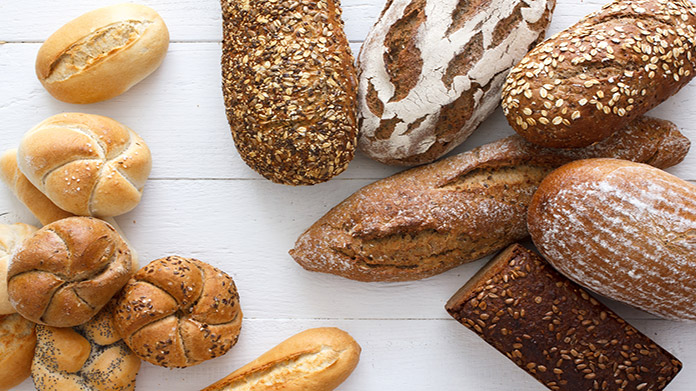
Starting a bakery can be an exciting and rewarding venture for aspiring entrepreneurs with a passion for baking.
However, it’s not all about the love for creating delicious treats — success also demands careful planning, creativity, and a strong grasp of the business side of operations.
In this comprehensive guide, we’ll walk you through all the essential steps you’ll need to take to start your own bakery, from conducting market research and securing funding to developing a unique menu, setting up operations, and attracting customers.
Our guide is in 3 parts:
The U.S. baked goods market, which is valued at USD 78.96 billion in 2023, remains a significant segment of the food industry and is projected to grow to USD 86.93 billion by 2029, at a steady CAGR of 1.62%.
Contributing significantly to this growth, bread remains the primary driver of the U.S. baked goods market, accounting for 32% of total sales. Furthermore, rising disposable incomes and the fast-paced lifestyle in the U.S. have driven the demand for quick and easy food options, while technological advancements like automation have helped meet this demand by boosting production efficiency.
Having said that, despite the steady growth within the U.S. baked goods market, the industry faces several barriers that could impact its future trajectory.
One of the primary challenges is the increasing awareness of health issues associated with the consumption of baked goods, particularly those high in refined flour, sugar, and carbohydrates.
Bread, which accounts for the most significant portion of the market, has seen a steady decline in consumption in recent years due to growing concerns about obesity, diabetes, and other diet-related conditions.
This shift in consumer consciousness is driving demand for healthier alternatives, such as GMO-free, organic, and preservative-free baked goods, which can be more expensive and complex to produce.
Moreover, the volatility in the cost of raw ingredients, such as wheat and sugar, poses financial challenges for bakery businesses, particularly smaller operations. Supply chain disruptions and rising labor costs also add pressure, making it difficult for companies to maintain competitive pricing without sacrificing quality or margin.
These factors have contributed to the dominance of large corporations, with over 60% of the U.S. baked goods market controlled by just three major chains, leading to a market where smaller players must innovate or specialize if they want to compete effectively.
If you’re considering whether a bakery is right for you, the first thing you’ll need to know is whether it’s a) affordable, and b) worth the investment. I mean, how much can you actually make running your own bakery company?
Well, it depends. The initial investment for a bakery can vary widely based on factors like location, the size and type of bakery you plan to open, and the equipment and ingredients you’ll need.
To give you a clearer picture of the costs involved, here’s a detailed look at the primary expenses you’ll need to consider when launching your bakery:
Lease or Purchase of Space ($2,500 – $10,000+ per month): You’ll need to secure a suitable location for your bakery, with rental costs varying based on factors such as location and size.
Renovations and Build-Out Costs ($10,000 – $50,000+): You will likely need to renovate your space to accommodate bakery equipment, ensure compliance with food safety regulations, and create an inviting environment for customers, with costs varying based on the extent of work required and the condition of the space.
Bakery Equipment ($20,000 – $100,000): You will need to obtain equipment such as ovens, mixers, and refrigerators for production, as well as display cases and shelving for customer service, with costs varying based on the size of your bakery and the quality and type of equipment you choose.
Ingredients and Initial Inventory ($2,000 – $10,000): You will need to stock up on initial supplies of ingredients like flour, sugar, eggs, and butter, as well as packaging materials and baking trays, with costs varying based on the volume of products you plan to produce and whether you choose higher-cost ingredients like organic or gluten-free options.
Licensing ($500 – $5,000): Depending on your location, you will need to obtain various licenses and permits, such as food handling certifications, health department approvals, and business licenses, with costs varying significantly based on local regulations.
Initial Staffing Costs ($6,000 – $18,000 per employee): You’ll need to cover the cost of training and the first few months of payroll for each employee, which can range from $6,000 to $18,000, depending on local wage rates and the employee’s experience level. Keep in mind that a small bakery will usually need at least 3 to 5 employees, including bakers, counter staff, and possibly a manager, depending on the size of the business.
Utilities ($500 – $2,000 per month): You should budget for utility costs, as bakeries are energy-intensive operations due to the continuous use of large ovens, refrigeration units, and other equipment.
Note: Although not exactly a startup cost, it’s highly recommended to set aside working capital to cover 3-6 months of operating expenses, ensuring you can handle any cash flow gaps or unexpected costs during the early stages of running your bakery.
Bakeries typically operate with profit margins that range between 5% and 15%, with most new bakeries needing at least six months to become profitable as they establish a customer base and streamline their operations.
However, once they do, small and customizable bakeries can become quite lucrative, a process that in the baking industry is guided by something called “sales forecasting”.
Simply put, sales forecasting allows bakeries to anticipate customer demand and adjust production accordingly to minimize waste and maximize profitability.
The way to achieve this is by collecting data — such as sales figures, customer preferences, and seasonal trends — and analyzing it during the first few months of operation.
The more data you have, the more accurately you will be able to predict customer demand and adjust your production levels accordingly, thereby saving on costs and increasing your overall profitability.
Think about it: as you gather data over time, you will reach a point where you will know that, for example, on Tuesdays at noon, the rush typically results in sales of between 200 and 240 loaves of bread, while on Mondays at 3 PM, you generally sell around 150 loaves.
This insight allows you to make only what you need, minimizing waste and ensuring that you always have fresh bread available for your customers.
This is very important because the result you are trying to achieve is essentially twofold: maximizing the freshness effect — where consumers are more likely to purchase items they perceive as freshly baked — and minimizing the amount of unsold product at the end of each day.
Keep in mind that, as surprising as it may seem, small, customizable bakeries often have the advantage over larger chains when it comes to sales forecasting, meaning that if you put in the time and effort needed, owning a successful and profitable bakery will definitely be within your reach.
The profitability of a bakery typically falls between 5% and 15%, depending on various factors such as your location, product offerings, and operational efficiency.
Having said that, by implementing effective sales forecasting and cost management strategies, you can significantly enhance your bakery’s profitability over time.
The number of staff required to operate a bakery varies based on factors such as the size of the bakery, the range of products offered, and the hours of operation.
For a small bakery, you will typically need at least 3 to 5 employees, including bakers, counter staff, and possibly a manager to oversee daily operations and customer service.
The minimum amount to open a bakery can vary widely based on factors such as your location, the size of the bakery, and the type of products you plan to offer.
Generally, you can expect to invest anywhere between $50,000 to $100,000 to cover the initial startup costs, including equipment, ingredients, licenses, and permits.
To start a small commercial bakery, you will need to conduct market research, create a solid business plan, secure funding, and find the right location.
You should also ensure that you have a well-developed menu, establish relationships with suppliers, and implement effective marketing strategies to attract customers once your bakery is up and running.
Business Evaluation & Strategy Tool
We'll walk you through the four pillars every business needs: Points of Leverage, Marketing Strategy, Financial Model, and Personal Compatibility. At the end you'll see a personalized report and your action plan below will be tailored to your answers.
Every viable business has natural advantages. Below are common leverage points across four categories. Pick the ones that apply to your Bakery business. We've pre-suggested a few based on your idea — review and adjust.
Without a way to connect with customers, even great businesses fail. Pick the channels you plan to use to reach your customers.
Enter your monthly baseline costs — the minimum overhead to keep the business running. Then we'll calculate how many sales per month you need to break even.
A business that doesn't fit your life will fail no matter how good the numbers look. Tell us how this business fits you.
Complete the four pillars and your personalized summary will appear here.
Nine concrete steps to take you from idea to open business, grouped into 30-day phases. Complete the planner above and we'll highlight what's most important for your situation.
An LLC keeps your personal assets separate from business debts and lawsuits — the most common reason small business owners choose this structure. Sole proprietorships and partnerships do not provide this protection.
Apply for your free Employer Identification Number through the IRS, then register for any state or local taxes that apply to your business (sales tax, franchise tax).
A dedicated business account is required to maintain personal asset protection. Mixing personal and business finances ('piercing the corporate veil') can void your LLC's liability shield.
Recording expenses and income from day one makes tax filing easier and lets you see when the business is actually profitable. Use software (QuickBooks, Wave) or a part-time bookkeeper.
State and local requirements vary widely. Brick-and-mortar businesses typically need a Certificate of Occupancy; service businesses may need specific professional licensing; food businesses need health permits.
General Liability Insurance is the most common starting point. If you'll have employees, most states require Workers' Compensation. Specific industries need additional coverage (product liability, professional liability, etc.).
Your brand is how customers perceive and remember you. A clear name, logo, and visual identity make every later marketing decision easier and protect you legally as you grow.
Every legitimate business needs a website. Social media pages are not a substitute — you don't own the platform. Modern website builders mean you can launch a clean site in a weekend without a developer.
A dedicated business number keeps your personal life private, makes the business look legitimate, and lets you route calls professionally. Cloud phone services start under $20/month.
Starting a Bakery business typically costs $20,000 to $100,000. It is considered a high capital-intensity business.
A Bakery business runs roughly a 5% net profit margin, and most owners reach break-even in about 9 to 24 months.
You can usually launch a Bakery business in about 24 weeks, and it is commonly run full time.
A Bakery business is generally an intermediate-skill business to start, with stable demand. TRUiC rates it 47 out of 100 on our Idea Score.
Most Bakery businesses register as an LLC or other legal entity and obtain a general business license. Depending on your state and city you may also need industry-specific permits, sales tax registration, and zoning or health approvals, so check your local requirements before you launch.