Startup cost
$10k–$30k
TRUiC Business Ideas
Decision Snapshot
Idea Score
53
Startup cost
$10k–$30k
Profit margin
4%
Break-even
9 mo–24 mo
Time to launch
12 wk–36 wk
Demand trend
Rising
5-yr failure rate
—
Capital intensity
Medium
Time commitment
Flexible
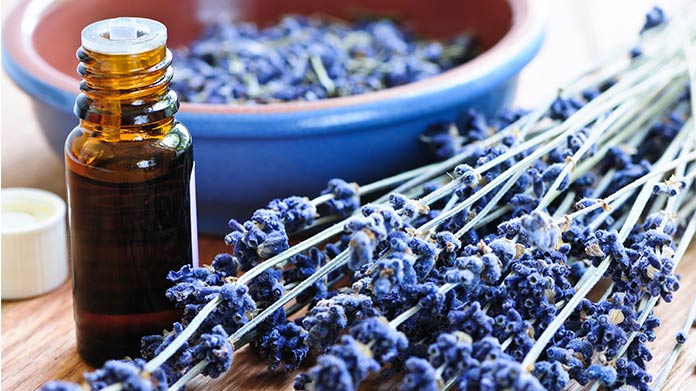
Aromatherapy business owners sell their products online and/or from a physical location. Drawn to healing others physically, mentally, and spiritually, many retailers are also licensed aromatherapists, blending and bottling their own products.
You may also be interested in additional unique business ideas.
Our guide is in 3 parts:
Your initial investment will vary, depending upon the specifics of your business. Most aromatherapists report start-up costs of $10,000 to $30,000.
A few items you’ll need are:
Bottles, labels, and packaging supplies
Business cards
Essential oils, carrier oils, and fillers
Many aromatherapists that create their own blends choose to grow their own plants. If this is part of your strategy, you’ll need a good deal of chemical free land that’s conducive to growing plants you wish to specialize in
Distiller and propane source – purchased new, this will set you back approximately $15,000
Sample products to distribute to potential customers and resellers
Website – if your focus will be on online sales, your business’ website is not the place to cut corners
Insurance
If your business plan includes maintaining a storefront, investment in your workspace will increase your expenses. Before committing to a location, conduct research to identify any market saturation, and which areas of town would be most receptive to your product.
Read our aromatherapy business purchasing guide to learn about the materials and equipment you’ll need to start an aromatherapy business, how much to budget, and where to make purchases.
Again, this will depend largely on how you structure your business. When only hosting an online store, your overhead costs are at a minimum. The business can operate out of a home office, making supplies, shipping, website maintenance, and marketing your greatest expenses.
A storefront will significantly increase ongoing expenses, as you’ll need to keep a more complete and diverse inventory. You’ll be facing the typical expenses that come with running a store, including insurance, payroll, and rent.
Once you get into blending your own oils, your supply costs will rise significantly. First impressions are critical, so put a great deal of thought into your product bottling and labeling. Custom labels can cost anywhere from $13 to $89 for 100 sheets, while bottles range from $115 to $238 per carton. The cost of plant material varies, depending on the region it was harvested from and its rarity. If you grow some of your own plant matter, proper land maintenance should be top priority.
Finally, you must invest both time and money each month into marketing your business. If this isn’t your forte, consider hiring a marketing company. Many offer basic packages that start at around $50 per month.
While everyone stands to benefit from integrating aromatherapy and essential oils into their daily life, there are some demographics that aren’t open to trying it. While you shouldn’t ignore marketing to men, the bulk of your business will come from open-minded women who are looking for alternatives to Western medicine. As part of your business plan, spend some time conducting market research specific to your area, in order to target more distinct demographics.
Your company will generate revenue through the sale of each individual product. Some entrepreneurs opt to host an online store only, while others offer a storefront for their customers to visit. If you offer therapeutic services, most professionals receive a tip, based on a percentage of the total charges.
Fees are based on services rendered and products sold, and will vary from client to client. An average aromatherapy session can cost anywhere from $45 to $110. Oils range in price from $5 to $165, depending on the ingredients used, the region plant matter originates from, and the method of extraction.
Successful aromatherapists have published a broad range, in terms of profit. Reports indicate anywhere from $30,000 to over $100,000 annually, depending upon the specifics of their business.
Getting started and making a name for yourself takes time. The following are a few strategies other professionals have implemented to ensure a more profitable business:
Make a variety of products, such as lotions, soaps, sprays, massage oils, and pet care products
Sell accompanying products, such as diffusers
Sell gift baskets
Teach educational classes – this can be done online or in person, and can cover a variety of topics
Become an approved school through the National Association for Holistic Aromatherapy, where you can offer certification, advanced graduate-level training, and essential oil seminars for healthcare professionals
Offer an essential oil bar, where customers can come in, seek advice, and blend their own oils
The specifics of your day will vary, depending on how you structure your business, and what services you decide to offer. Most days will include the following activities:
Collecting or purchasing herbs and flowers to be used in your essential oils
Extracting oils
Bottling oils
Crafting various products
Answering email and phone inquiries from potential customers, and fulfilling online orders
Educating your customers and assisting them in finding the blend that meets their needs
Following up with clients to ensure satisfaction and to receive feedback
Working on your marketing strategy, and networking with others in the community
If you’re considering entering this industry, you have the advantage of being able to work with your passion, day in and day out. However, as with every business, there are also a number of administrative duties to attend to. Until you’re able to hire a trusted team to handle these tasks, you’ll need to take an active role in this aspect of the business as well.
Whether you’ve decided to re-sell another company’s product or create your own oils, you’ll need to educate yourself on the intricacies of aromatherapy. The National Association for Holistic Aromatherapy and NY Institute of Aromatherapy offer workshops and classes designed to help you form a relationship with essential oils, enhance plant intelligence, and sharpen your sensory faculties.
While not a skill per se, you should have heightened olfactory senses. This can be learned, but having a natural nose for it is beneficial. You’ll also want to have a deep understanding of the anatomy and physiology of the human body, and how the various scents affect the health and wellness of your clients.
To realize long-term success, sharing your passion through education is key. You should be confident in your teachings and have strong interpersonal skills; it’s important that each customer is able to relate to you on a personal level. While much of your time is spent working with the oils themselves, dedication and business sense are also critical. If this is your first time running your own company, consider signing up for a business class at your local college.
This industry realized significant growth in 2016 and is expected to continue growing through 2022, reaching $11.67 billion in value. As long as you maintain consistently high-quality products and strive to educate the public on the benefits, you stand to exceed your long-term growth goals. In fact, some aromatherapists have found success through the sale of just one essential oil.
The following are some insider tips from experienced aromatherapists who have chosen to make a career out of their passion:
Before getting started, consider what you envision for your business and lifestyle. What aspects of aromatherapy are you most passionate about, and how will you carve out a niche for yourself?
Keep in mind that this type of business can take some time to grow. Be patient.
Take the time to interact personally with your customers, and educate them without being pushy. Thank them for their business and follow up later.
Network with other alternative medicine practitioners who complement your work. A reciprocal referral system is a great way to build a solid customer base.
Blend your own oils!
If your products will be sold exclusively online, a team won’t be necessary when first starting out. As your business grows, consider hiring individuals to help manage and package orders.
If a storefront is part of your business plan, you might still be able to work solo initially. When the business is thriving, consider adding employees to your team. Just make sure each employee is knowledgeable, friendly, and relatable to your customers.
Entrepreneurs that plan on making their own oils should still start out as a one-person operation. Once you have the recipes down to a science, take note of the process, ingredients, and measurements. Only then should you consider building a team. Remember, the key is consistent, quality product.
Business Evaluation & Strategy Tool
We'll walk you through the four pillars every business needs: Points of Leverage, Marketing Strategy, Financial Model, and Personal Compatibility. At the end you'll see a personalized report and your action plan below will be tailored to your answers.
Every viable business has natural advantages. Below are common leverage points across four categories. Pick the ones that apply to your Aromatherapy business. We've pre-suggested a few based on your idea — review and adjust.
Without a way to connect with customers, even great businesses fail. Pick the channels you plan to use to reach your customers.
Enter your monthly baseline costs — the minimum overhead to keep the business running. Then we'll calculate how many sales per month you need to break even.
A business that doesn't fit your life will fail no matter how good the numbers look. Tell us how this business fits you.
Complete the four pillars and your personalized summary will appear here.
Nine concrete steps to take you from idea to open business, grouped into 30-day phases. Complete the planner above and we'll highlight what's most important for your situation.
An LLC keeps your personal assets separate from business debts and lawsuits — the most common reason small business owners choose this structure. Sole proprietorships and partnerships do not provide this protection.
Apply for your free Employer Identification Number through the IRS, then register for any state or local taxes that apply to your business (sales tax, franchise tax).
A dedicated business account is required to maintain personal asset protection. Mixing personal and business finances ('piercing the corporate veil') can void your LLC's liability shield.
Recording expenses and income from day one makes tax filing easier and lets you see when the business is actually profitable. Use software (QuickBooks, Wave) or a part-time bookkeeper.
State and local requirements vary widely. Brick-and-mortar businesses typically need a Certificate of Occupancy; service businesses may need specific professional licensing; food businesses need health permits.
General Liability Insurance is the most common starting point. If you'll have employees, most states require Workers' Compensation. Specific industries need additional coverage (product liability, professional liability, etc.).
Your brand is how customers perceive and remember you. A clear name, logo, and visual identity make every later marketing decision easier and protect you legally as you grow.
Every legitimate business needs a website. Social media pages are not a substitute — you don't own the platform. Modern website builders mean you can launch a clean site in a weekend without a developer.
A dedicated business number keeps your personal life private, makes the business look legitimate, and lets you route calls professionally. Cloud phone services start under $20/month.
Starting an Aromatherapy business typically costs $10,000 to $30,000. It is considered a medium capital-intensity business.
An Aromatherapy business runs roughly a 4% net profit margin, and most owners reach break-even in about 9 to 24 months.
You can usually launch an Aromatherapy business in about 12 to 36 weeks, and it is commonly run flexible.
An Aromatherapy business is generally an intermediate-skill business to start, with rising demand. TRUiC rates it 53 out of 100 on our Idea Score.
Most Aromatherapy businesses register as an LLC or other legal entity and obtain a general business license. Depending on your state and city you may also need industry-specific permits, sales tax registration, and zoning or health approvals, so check your local requirements before you launch.