Startup cost
$5k–$45k
TRUiC Business Ideas
Decision Snapshot
Idea Score
71
Startup cost
$5k–$45k
Profit margin
50%
Break-even
18 mo–36 mo
Time to launch
2 wk–12 wk
Demand trend
Stable
5-yr failure rate
—
Capital intensity
Medium
Time commitment
Full time
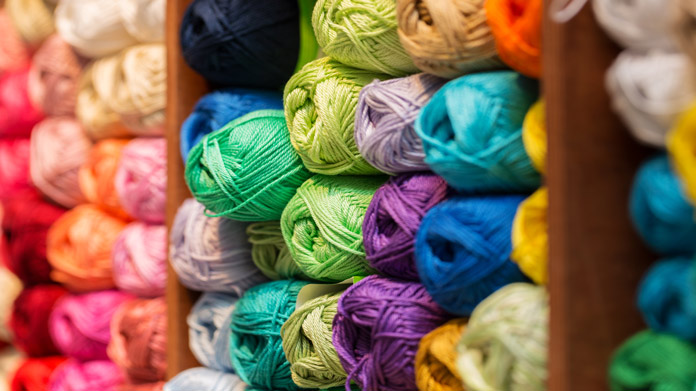
Are you passionate about knitting, crocheting, or fiber arts, and dreaming of transforming that passion into a thriving business?
Opening a yarn store can allow you to transform your love for fiber arts into a venture that not only inspires creativity but also serves a growing community of crafters.
In this comprehensive guide, we’ll walk you through all the essential steps you’ll need to take to start your own yarn store, from conducting market research to selecting the right suppliers, setting up operations, and attracting customers.
Our guide is in 3 parts:
The U.S. yarn market — which was valued at approximately $1.56 billion in 2023 — is projected to experience steady growth in the coming years with a compound annual growth rate (CAGR) of 4.0%.
This expansion is driven by a combination of factors, including the consistent demand for winter apparel like sweaters, scarves, and gloves, as well as the increasing popularity of DIY crafting.
The rise of online crafting communities has fueled interest in knitting, crocheting, and other fiber arts, making these hobbies more accessible and attractive to a wider audience.
This shift is further supported by the rising recognition of crafting as a therapeutic activity, offering mental health benefits such as stress relief and mindfulness, which has drawn even more consumers to knitting or crocheting.
Moreover, innovations in product offerings and the expansion of digital platforms have enhanced access to knitting and crocheting resources, patterns, and tutorials, helping foster a more engaged and informed community of crafters.
This evolving landscape positions the U.S. yarn market for sustained growth, with a future that is as creative and dynamic as the fiber arts themselves.
If you’re considering whether a yarn store business is right for you, the first thing you’ll need to know is whether it’s a) affordable, and b) worth the investment. I mean, how much can you actually make running your own yarn store?
Well, it depends. The initial investment for a yarn store varies widely based on factors such as the store’s location, the size of the retail space, the variety and quantity of inventory, and the level of customization or services you plan to offer:
Lease or Purchase of Retail Space ($1,500 – $5,000/month): You will need to rent or purchase a storefront, with costs depending heavily on the store’s location and square footage.
Store Renovations and Furnishings ($5,000 – $20,000): You will need to invest in shelving, display units, and other storage solutions to effectively showcase yarn, knitting supplies, and other accessories.
Inventory ($2,000 – $10,000): You will need to stock a variety of yarns (natural fibers, synthetic, blended, etc.), knitting needles, crochet hooks, patterns, kits, and other crafting supplies.
Yarn Winding Machine ($250 – $2,000): You will need to purchase a professional-grade yarn winding machine, which transforms skeins or hanks into easy-to-use balls, helping to prevent tangling and offering a convenient service for customers.
Employee Salaries ($25,000 – $45,000/employee annually): Though most yarn stores will initially be run by the owner, you will need to factor in wages and benefits if you plan to hire full-time or part-time staff.
Business Licenses and Permits ($200 – $1,000): You may need to acquire local business licenses, permits, and cover legal setup costs, such as registering your business and setting up an LLC if needed.
Marketing and Branding ($1,000 – $10,000): You should plan for costs associated with developing a website, business cards, signage, and initial advertising to attract customers (both online and in-person).
Note: If you plan to offer knitting or crocheting workshops, you will need to account for the additional costs that arise from hosting them, such as materials, instructor fees, and any extra space or equipment needed to accommodate attendees.
The earning potential for a yarn store appears promising, with typical markups on low-cost yarns being around 50%, and significantly higher margins — sometimes reaching 300% to 400% — being available on luxury yarns such as cashmere, alpaca, and silk blends.
It’s also worth noting that the vast majority (98%) of yarn buyers are women, with an average age of 58 and a household income ranging between $72,000 and $91,500.
This is a good indication for new business owners, as your target market — which is made up of both retirees (48%) and full-time employees (31%) — will have both the time and the disposable income to invest in their crafting hobbies.
However, these numbers can be misleading, as one of the biggest challenges facing brick-and-mortar yarn stores is the growing tendency for customers to visit in person to explore or feel the yarn but ultimately make their purchases online, often from international suppliers at significantly lower prices.
As a result, you will need to keep in mind that in order to create a profitable and sustainable yarn store business, you will need both a strong online presence and meaningful customer engagement through services like workshops, classes, and/or personalized assistance.
Starting a yarn shop typically requires an initial investment of around $20,000, though this can vary depending on factors such as your location, store size, and inventory.
Most yarn shops are owner-operated, so initial costs typically cover retail space, renovations, inventory, and marketing, but if you plan to hire employees, the costs would likely be significantly higher.
The markup on yarn is generally high, but how much exactly generally depends on factors such as the type of yarn and your target market.
Basic, lower-cost yarns often see a markup of around 50%, while more luxurious fibers like cashmere, alpaca, or silk blends can have markups ranging from between 300% and 400% — reflecting the higher costs and demand for premium materials.
To start a yarn service, you should begin by conducting market research, finding reliable suppliers, and selecting a location (or online platform).
You’ll also need to secure all necessary licenses and permits, find reliable suppliers for quality yarn, and create a strong marketing plan to attract and retain customers.
The yarn business can be profitable, but profitability can be challenging due to the growing trend of customers visiting physical stores to explore yarn and then making purchases online at lower prices.
To sustain profitability, yarn store owners need to balance the in-store experience with meaningful customer engagement, such as offering workshops, personalized assistance, and building an online presence to keep customers returning.
Business Evaluation & Strategy Tool
We'll walk you through the four pillars every business needs: Points of Leverage, Marketing Strategy, Financial Model, and Personal Compatibility. At the end you'll see a personalized report and your action plan below will be tailored to your answers.
Every viable business has natural advantages. Below are common leverage points across four categories. Pick the ones that apply to your Yarn business. We've pre-suggested a few based on your idea — review and adjust.
Without a way to connect with customers, even great businesses fail. Pick the channels you plan to use to reach your customers.
Enter your monthly baseline costs — the minimum overhead to keep the business running. Then we'll calculate how many sales per month you need to break even.
A business that doesn't fit your life will fail no matter how good the numbers look. Tell us how this business fits you.
Complete the four pillars and your personalized summary will appear here.
Nine concrete steps to take you from idea to open business, grouped into 30-day phases. Complete the planner above and we'll highlight what's most important for your situation.
An LLC keeps your personal assets separate from business debts and lawsuits — the most common reason small business owners choose this structure. Sole proprietorships and partnerships do not provide this protection.
Apply for your free Employer Identification Number through the IRS, then register for any state or local taxes that apply to your business (sales tax, franchise tax).
A dedicated business account is required to maintain personal asset protection. Mixing personal and business finances ('piercing the corporate veil') can void your LLC's liability shield.
Recording expenses and income from day one makes tax filing easier and lets you see when the business is actually profitable. Use software (QuickBooks, Wave) or a part-time bookkeeper.
State and local requirements vary widely. Brick-and-mortar businesses typically need a Certificate of Occupancy; service businesses may need specific professional licensing; food businesses need health permits.
General Liability Insurance is the most common starting point. If you'll have employees, most states require Workers' Compensation. Specific industries need additional coverage (product liability, professional liability, etc.).
Your brand is how customers perceive and remember you. A clear name, logo, and visual identity make every later marketing decision easier and protect you legally as you grow.
Every legitimate business needs a website. Social media pages are not a substitute — you don't own the platform. Modern website builders mean you can launch a clean site in a weekend without a developer.
A dedicated business number keeps your personal life private, makes the business look legitimate, and lets you route calls professionally. Cloud phone services start under $20/month.
Starting a Yarn business typically costs $5,000 to $45,000. It is considered a medium capital-intensity business.
A Yarn business runs roughly a 50% net profit margin, and most owners reach break-even in about 18 to 36 months.
You can usually launch a Yarn business in about 2 to 12 weeks, and it is commonly run full time.
A Yarn business is generally an intermediate-skill business to start, with stable demand. TRUiC rates it 71 out of 100 on our Idea Score.
Most Yarn businesses register as an LLC or other legal entity and obtain a general business license. Depending on your state and city you may also need industry-specific permits, sales tax registration, and zoning or health approvals, so check your local requirements before you launch.