Startup cost
$25k–$100k
TRUiC Business Ideas
Decision Snapshot
Idea Score
70
Startup cost
$25k–$100k
Profit margin
30%
Break-even
18 mo–36 mo
Time to launch
2 wk–8 wk
Demand trend
Stable
5-yr failure rate
—
Capital intensity
High
Time commitment
Full time
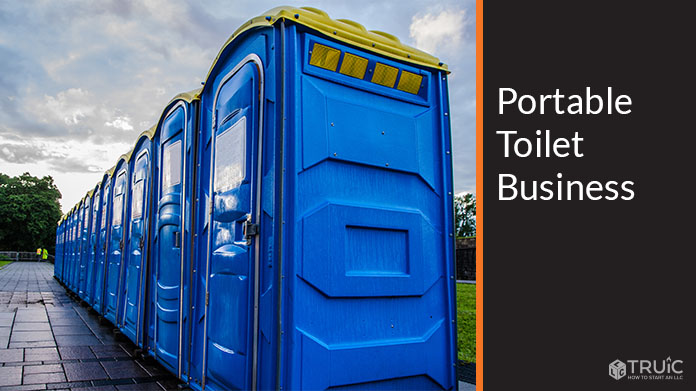
Starting a portable toilet business can be a profitable and scalable venture due to the steady demand across construction sites, outdoor events, and other temporary venues that require reliable sanitation services.
That said, starting a successful portable toilet business will require more than simply providing units; you will need to efficiently coordinate logistics, ensure regulatory compliance, and maintain the cleanliness and functionality of your equipment in order to meet client expectations and ensure long-term success.
In this comprehensive guide, we’ll walk you through all the essential steps you’ll need to take to start your own portable toilet business, from conducting market research and securing funding to selecting the right equipment, setting up operations, and establishing a plan for regular servicing and maintenance.
Our guide is in 3 parts:
The portable toilet rental industry generated $2.8 billion in revenue in 2023 and is expected to continue growing at a compound annual growth rate (CAGR) of 7.6% over the next few years.
This steady growth is largely driven by the recent boom in the construction sector, where rapid urbanization and a rise in infrastructure projects have significantly boosted the demand for portable sanitation solutions.
In addition to this, the growing popularity of outdoor recreational activities like camping, hiking, and large-scale events such as festivals, sports tournaments, concerts, and weddings has also contributed significantly to the demand for portable toilets.
The market is divided into different segments, with standard portable toilet rentals making up the majority of demand due to their cost-effectiveness and widespread use across construction sites, outdoor events, disaster relief efforts, and temporary work locations.
Another emerging trend within the industry is the rapid growth of the luxury portable toilet segment, which is expected to grow at a CAGR of 8.6% from 2022 to 2030. This segment, while smaller, is gaining traction due to rising demand for premium sanitation options at high-end events such as weddings, corporate functions, and VIP gatherings.
Overall, the sector is easily accessible, with few barriers to entry, making it an attractive option for entrepreneurs eager to tap into the strong and growing demand for portable sanitation services, which is expected to continue in the years to come.
If you’re considering whether a portable toilet business is right for you, the first thing you’ll need to know is whether it’s a) affordable, and b) worth the investment. I mean, how much can you actually make running your own portable toilet business?
Fortunately, the initial investment is relatively low compared to most other types of businesses, with the main costs being focused on:
Portable Toilet Units ($500 – $2,500 per unit): You will need to purchase enough units to meet the needs of your initial operations, including having extra inventory on hand for busy periods or last-minute requests. For a small to medium startup, this typically means acquiring around 10 to 50 units, with costs ranging depending on the model and features.
Transport Vehicle ($15,000 – $50,000): You will need a truck or trailer to transport the toilets to and from job sites, with costs varying based on the type and size of the vehicle, as well as whether you choose to buy new or used.
Storage Facility ($200 – $1,000 per month): You will need to rent a storage space to securely store your portable toilet units when they are not in use, with the cost depending on factors such as the size required to accommodate your inventory and the location of your business.
Waste Disposal Equipment ($5,000 – $20,000): You will need to purchase a vacuum pump system to remove waste from the portable toilets, along with a holding tank for temporary storage before proper disposal. The cost of this equipment will depend on factors such as the capacity of the vacuum pump, the size of the holding tank, and whether the system is mounted on a truck or trailer.
Business Licensing and Permits ($200 – $1,000): Depending on where your business is located, you will likely need to obtain a range of licenses and permits to operate legally, including general business licenses, sanitation permits, and potentially environmental permits for waste disposal.
Maintenance and Cleaning Supplies ($500 – $2,000): As part of your startup costs, you will also need to purchase an initial supply of cleaning and maintenance products to ensure your portable toilets are properly sanitized and kept in good condition. These will include disinfectants, deodorizing chemicals, brushes, cleaning cloths, hoses, gloves, and waste disposal bags.
Employee Wages (if applicable): If you plan to hire staff to assist with deliveries, maintenance, or administrative work, you will need to factor in employee wages. The cost will generally range from $25,000 to $50,000 per employee per year, depending on their experience and specific responsibilities.
Note: Keep in mind that when you place larger orders, your per-unit cost will decrease significantly. For example, if you plan to buy 100 portable units, the price per unit could be less than half of what you’d pay for just one. This is why the absolute minimum you should consider purchasing to start with is around 10 units — anything less than that won’t allow you to benefit from economies of scale.
Portable toilet businesses tend to operate with high profit margins — usually between 30% to 50% — and have strong earning potential due to their low operating costs and high client retention.
This profitability is mainly because the portable toilet business tends to have a recurring nature — once you secure a client, such as a construction company or event organizer, they will often rely on your services for all of their ongoing and future sanitation needs.
The reason this happens is often referred to as the “inertia effect,” where clients, after establishing a reliable relationship with a service provider, are unlikely to switch to competitors because the service represents a small portion of their overall budget and changing providers isn’t worth the hassle.
In industries like construction and event planning, as long as the service is reliable, clients will typically stick with the same provider to avoid disruptions, making it easier to maintain long-term contracts and consistent revenue.
That said, the challenge when starting out will be securing enough clients to reach profitability and grow. The very reasons clients stay loyal to their current provider — convenience and reliability — are the same reasons you might find it difficult to gain traction initially.
However, despite this challenge, the sector is poised for continuous growth, offering substantial opportunities for new businesses that can secure a foothold.
Yes, portable toilet businesses — typically operating with profit margins of 30% to 50% — can be quite profitable.
This is primarily due to the steady demand for sanitation services across various sectors, including construction, outdoor events, and recreational activities, which often leads to long-term contracts and recurring revenue.
To start a portable toilet business, you will need to acquire at least 10 to 50 units, as anything below this level isn’t enough to establish a viable operation.
You will also need to ensure that your inventory can handle unexpected demand and last-minute requests, as this will be crucial for maintaining customer satisfaction and growing your business effectively.
The demand for portable toilets is consistently strong, driven by various sectors such as construction, outdoor events, and recreational activities, which have all experienced significant growth in recent years.
This has led to the portable toilet rental industry generating approximately $2.8 billion in revenue in 2023, with projections indicating continued growth at a compound annual growth rate (CAGR) of 7.6% over the next few years.
The lifespan of a portable toilet typically ranges from 10 to 15 years, depending on factors like usage, maintenance, and the materials used.
That said, you should keep in mind that regular and proper maintenance can significantly extend their usability for an even longer period of time.
Business Evaluation & Strategy Tool
We'll walk you through the four pillars every business needs: Points of Leverage, Marketing Strategy, Financial Model, and Personal Compatibility. At the end you'll see a personalized report and your action plan below will be tailored to your answers.
Every viable business has natural advantages. Below are common leverage points across four categories. Pick the ones that apply to your Portable Toilet business. We've pre-suggested a few based on your idea — review and adjust.
Without a way to connect with customers, even great businesses fail. Pick the channels you plan to use to reach your customers.
Enter your monthly baseline costs — the minimum overhead to keep the business running. Then we'll calculate how many sales per month you need to break even.
A business that doesn't fit your life will fail no matter how good the numbers look. Tell us how this business fits you.
Complete the four pillars and your personalized summary will appear here.
Nine concrete steps to take you from idea to open business, grouped into 30-day phases. Complete the planner above and we'll highlight what's most important for your situation.
An LLC keeps your personal assets separate from business debts and lawsuits — the most common reason small business owners choose this structure. Sole proprietorships and partnerships do not provide this protection.
Apply for your free Employer Identification Number through the IRS, then register for any state or local taxes that apply to your business (sales tax, franchise tax).
A dedicated business account is required to maintain personal asset protection. Mixing personal and business finances ('piercing the corporate veil') can void your LLC's liability shield.
Recording expenses and income from day one makes tax filing easier and lets you see when the business is actually profitable. Use software (QuickBooks, Wave) or a part-time bookkeeper.
State and local requirements vary widely. Brick-and-mortar businesses typically need a Certificate of Occupancy; service businesses may need specific professional licensing; food businesses need health permits.
General Liability Insurance is the most common starting point. If you'll have employees, most states require Workers' Compensation. Specific industries need additional coverage (product liability, professional liability, etc.).
Your brand is how customers perceive and remember you. A clear name, logo, and visual identity make every later marketing decision easier and protect you legally as you grow.
Every legitimate business needs a website. Social media pages are not a substitute — you don't own the platform. Modern website builders mean you can launch a clean site in a weekend without a developer.
A dedicated business number keeps your personal life private, makes the business look legitimate, and lets you route calls professionally. Cloud phone services start under $20/month.
Starting a Portable Toilet business typically costs $25,000 to $100,000. It is considered a high capital-intensity business.
A Portable Toilet business runs roughly a 30% net profit margin, and most owners reach break-even in about 18 to 36 months.
You can usually launch a Portable Toilet business in about 2 to 8 weeks, and it is commonly run full time.
A Portable Toilet business is generally an intermediate-skill business to start, with stable demand. TRUiC rates it 70 out of 100 on our Idea Score.
Most Portable Toilet businesses register as an LLC or other legal entity and obtain a general business license. Depending on your state and city you may also need industry-specific permits, sales tax registration, and zoning or health approvals, so check your local requirements before you launch.