Startup cost
$500
TRUiC Business Ideas
Decision Snapshot
Idea Score
74
Startup cost
$500
Profit margin
25%
Break-even
4 mo–12 mo
Time to launch
2 wk–8 wk
Demand trend
Stable
5-yr failure rate
—
Capital intensity
Low
Time commitment
Flexible
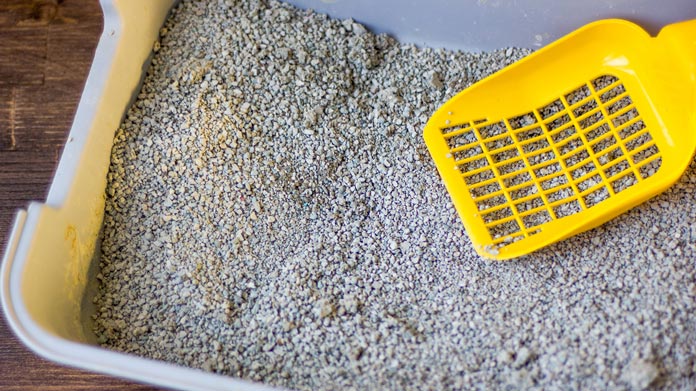
A pet waste removal business eliminates pet waste from customers’ yards. This is an essential service that beautifies properties, improves cleanliness, and reduces the chances of illness. Though most pet waste removal business owners remove dog waste from yards, services can extend to emptying cat litter boxes and the waste spaces of other animals.
Our guide is in 3 parts:
You will need a vehicle to travel from one pet waste removal client’s property to the next. This business requires waste removal equipment. A self-contained vessel for pet waste will certainly help. You will also need a means of scooping the waste off the ground. Invest in shovels, rakes, bleach spray, rubber gloves, pooper scoopers, and trash bags. Consider adding a trailer hitch receiver rack where you can secure a bin to hold animal waste. It will also help to have a website that details your services and rates. These start-up costs will likely cost between $500 and a couple thousand dollars, depending on the quality of equipment you select.
The vehicle used to travel from one customer’s property to the next must be fueled, insured, and maintained. Plan on spending a couple hundred dollars on such expenses each month. The space used to answer phone calls and update the company website will require utilities. Budget $50 to $100 or more for monthly utilities. High-speed internet will run $50 to $100 per month. If pet waste removal equipment wears down, it must be repaired or replaced. Budget at least $50 per month for such repairs/improvements. Additional expenses might arise from disposal fees at landfills, sewage facilities, or the dumpster company.
A pet waste removal employee will earn $8 to $12 per hour. If the business grows to the point that it expands beyond the initial market, an accountant, marketing expert, and possibly a manager can be added. These professionals will command a salary between $30,000 and $60,000 per year.
The target market is pet owners. Specifically, the target customer is an individual who is too lazy or too busy to pick up his pet’s waste. It is worth noting some customers are either too old or injured to reach down to pick up pet waste.
Money is made by charging pet owners for pet waste removal. Many pet waste removal business owners charge by the week. Others charge by the month, the season or the entire year.
Charge between $10 and $15 for one weekly visit. Charge between $40 and $100 for one-time cleans of especially messy yards. You can also charge a similar fee for an unscheduled emergency clean.
The profit depends on the number of customers within driving range. Anticipate a gradual increase in earnings as word spreads about your pet waste removal business. Tens of thousands of dollars can be made in the first year or two. Expand to other markets and earnings can reach the six figure mark. Franchise the business and it can rake in millions of dollars per year.
Offer additional services such as dog walking, pet sitting, deodorizing, the application of flea and tick spray and the removal of waste-related blemishes from yards. Charge extra for additional visits beyond the number agreed to in the contract. Consider charging extra for customers who have multiple pets. After all, collecting and eliminating the waste of several pets will take more time, effort, and manpower than the waste of a single pet.
The business owner travels between client properties to collect and eliminate pet waste in a safe and environmentally-friendly manner. The business owner also spends time marketing services, interacting with clients, discussing services and rates with potential customers, and servicing pet waste removal equipment.
A successful pet waste removal business does not require any sort of rare skill. However, those who advertise the business in a highly effective manner will reap the rewards. Press the flesh with people in town to get the word out about your pet waste removal business. Encourage everyone you know to spread the word about your services. Be cordial when interacting with locals as nearly every pet owner in the community is a potential customer.
The growth potential depends on the locale, the business owner’s drive and his marketing prowess. It will certainly help to establish a pet waste removal business in a populous suburban area in which many homeowners own pets that relieve themselves in the yard. Market the business properly and it will have the potential to take off in as little as a couple weeks or months. If the business continues to grow, it can be expanded across the region in the ensuing years and possibly even franchised.
Most pet waste removal businesses provide services of similar quality. It is imperative that you differentiate your business by beating competitors’ prices and offering unparalleled customer service. Treat customers with the utmost respect. Ask them about their pets whenever you interact. Express an interest in their well-being. Continue to establish relationships and your business will gradually grow.
A team will not be necessary unless your business expands to the point that you can’t handle the volume of work. If you attract enough customers that are far enough apart, add a pet waste removal member to the team. This employee can drive from site-to-site at the far-away properties while you handle close-by cleans and focus on marketing, accounting and management.
Business Evaluation & Strategy Tool
We'll walk you through the four pillars every business needs: Points of Leverage, Marketing Strategy, Financial Model, and Personal Compatibility. At the end you'll see a personalized report and your action plan below will be tailored to your answers.
Every viable business has natural advantages. Below are common leverage points across four categories. Pick the ones that apply to your Pet Waste Removal business. We've pre-suggested a few based on your idea — review and adjust.
Without a way to connect with customers, even great businesses fail. Pick the channels you plan to use to reach your customers.
Enter your monthly baseline costs — the minimum overhead to keep the business running. Then we'll calculate how many sales per month you need to break even.
A business that doesn't fit your life will fail no matter how good the numbers look. Tell us how this business fits you.
Complete the four pillars and your personalized summary will appear here.
Nine concrete steps to take you from idea to open business, grouped into 30-day phases. Complete the planner above and we'll highlight what's most important for your situation.
An LLC keeps your personal assets separate from business debts and lawsuits — the most common reason small business owners choose this structure. Sole proprietorships and partnerships do not provide this protection.
Apply for your free Employer Identification Number through the IRS, then register for any state or local taxes that apply to your business (sales tax, franchise tax).
A dedicated business account is required to maintain personal asset protection. Mixing personal and business finances ('piercing the corporate veil') can void your LLC's liability shield.
Recording expenses and income from day one makes tax filing easier and lets you see when the business is actually profitable. Use software (QuickBooks, Wave) or a part-time bookkeeper.
State and local requirements vary widely. Brick-and-mortar businesses typically need a Certificate of Occupancy; service businesses may need specific professional licensing; food businesses need health permits.
General Liability Insurance is the most common starting point. If you'll have employees, most states require Workers' Compensation. Specific industries need additional coverage (product liability, professional liability, etc.).
Your brand is how customers perceive and remember you. A clear name, logo, and visual identity make every later marketing decision easier and protect you legally as you grow.
Every legitimate business needs a website. Social media pages are not a substitute — you don't own the platform. Modern website builders mean you can launch a clean site in a weekend without a developer.
A dedicated business number keeps your personal life private, makes the business look legitimate, and lets you route calls professionally. Cloud phone services start under $20/month.
Starting a Pet Waste Removal business typically costs $500. It is considered a low capital-intensity business.
A Pet Waste Removal business runs roughly a 25% net profit margin, and most owners reach break-even in about 4 to 12 months.
You can usually launch a Pet Waste Removal business in about 2 to 8 weeks, and it is commonly run flexible.
A Pet Waste Removal business is generally an intermediate-skill business to start, with stable demand. TRUiC rates it 74 out of 100 on our Idea Score.
Most Pet Waste Removal businesses register as an LLC or other legal entity and obtain a general business license. Depending on your state and city you may also need industry-specific permits, sales tax registration, and zoning or health approvals, so check your local requirements before you launch.