Startup cost
$71k
TRUiC Business Ideas
Decision Snapshot
Idea Score
73
Startup cost
$71k
Profit margin
91%
Break-even
9 mo–24 mo
Time to launch
12 wk–36 wk
Demand trend
Rising
5-yr failure rate
—
Capital intensity
High
Time commitment
Full time
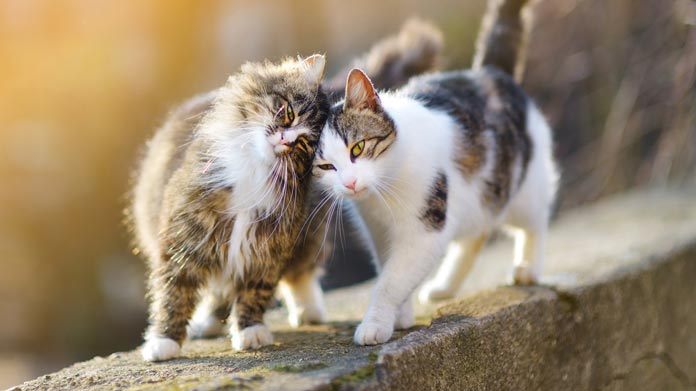
With pet specialty stores and dog-friendly restaurants becoming the new norm, more and more families are embracing the idea of openly expressing their love for their pets. Pet photographers, whether working in teams or as individuals, are there to catch a family’s four-legged loved one in action. Whether at an adoption event, dog show, horse race, or private photo shoot, these moments are captured on film, delivering pet lovers a keepsake they’ll cherish forever.
Our guide is in 3 parts:
There are a number of pet photography franchise options available for the entrepreneur who prefers support and guidance as they start on this journey. Liquid capital required to franchise with Lil’ Pals Pet Photography is $71,000. $10,000 of this goes towards your initial franchise fee, while the remaining $61,000 is used for start-up costs.
Start-up costs include the following:
Canine behavior training
Insurance
Photography equipment (camera, lens with autofocus, zoom lens, and memory cards)
Mobile studio
Props
Computer and editing software
Website
Marketing materials
Each employee will need their own set of equipment, as well as a reliable vehicle.
Most pet photographers choose to forego the physical studio, opting for a mobile studio instead. This offers more flexibility and reduces overhead costs tremendously. When planning your budget, consider the following ongoing expenses:
Equipment repairs and replacement
Vehicle repair and fuel costs
Mobile studio props—as trends change, you’ll need to keep adding to your studio options
Animal treats, toys, and leashes
Annual state registration fees, sales tax license, and city occupational taxes
Payroll taxes—consider hiring freelancers as you start out to reduce initial expenses
Liability insurance
Ongoing education/workshops
Software updates
Marketing materials
Website hosting and maintenance
It’s estimated that there are more than 78 million pet dogs and 85.8 million pet cats across the United States. A vast majority of these animals are considered a part of the family, going on road trips, to the store, and out to dinner. For most pet owners, there isn’t much they wouldn’t do for their furry family members—this is your target audience.
Your organization will generate revenue from each photography shoot. Most businesses charge a flat rate for the shoot, including a specified amount of photos. Additional goods and services are offered for an additional fee.
Rates vary depending upon the photographer’s experience and location. Most offer multiple packages, which include the photo session and a specified number of photos. Packages might start in the area of $175, and can reach upwards of $350. Additional photos are available for an additional fee.
Your company’s profitability depends upon a number of factors—how much you charge per session, how many packages you sell at each level, and how your business pays other photographers on your team. For example, one pet photographer out of Seattle charges $350 for a basic package. He is currently the only photographer, so all work is completed by him. If he shoots five sessions a week, he brings in $7,000 per month in fees. With an average of $600 per month in expenses, he earns a profit of $6,400 each month.
To make their businesses more profitable, industry professionals have implemented the following strategies:
Offer to hang your art for sale at local vets, restaurants, groomers, and humane societies.
Include printing and framing as part of your service for an additional fee.
Offer a variety of products to choose from, including: key rings, calendars, cards, t-shirts, coffee mugs, and earrings.
Consider taking photos at horse shows, racetracks, horse breeding farms, equestrian centers, adoption events, and dog shows.
You can also offer to shoot photos for pet walkers, breeders, or groomers that these professionals can use in their online and print marketing materials.
Christmas photos showing clients’ pets with Santa Claus have become a recent consumer favorite.
Approach local breeders, trainers, and groomers about taking advertising shots.
Sell stock photos to websites like iStock and Dreamstime.
If you’re skilled at videography, include this as an additional service.
If you’re contemplating opening your own pet photography business, it’s important that you clearly define your vision and professional goals. Will you be involved, rolling around in the dirt, waiting for the perfect shot? Or do you prefer to handle the administrative duties, leaving the photography to your talented staff?
Regardless of which path you take, your days will include the following activities:
Answering phone calls, scheduling shoots, and collaborating with pet owners regarding their vision for the photo shoot.
Attending pre-shoot meet-and-greets with clients and their pets, preferably on location.
Prepping for photo shoots and collecting any props that might be necessary.
Driving to photo shoots—many pet photographers say this takes up a considerable amount of their time.
Educating yourself regarding animal behavior, dog and cat breeds, and the latest in camera/photography trends.
Marketing and networking with members of the community who share your love of animals.
Delegating responsibilities and photo shoots to your team.
There are a number of administrative tasks that will also require your regular attention. If the creative aspect is what drove you to this profession, consider employing someone who can handle these responsibilities.
As a pet photographer, it’s important to show kindness and patience towards your subject. Each animal possesses their own personality, quirks, and hang-ups. Unlike humans, however, they’re unable to verbalize what they’re feeling. You must be able to read their cues, relying solely on the pet’s body language.
Successful pet photographers suggest signing up for courses in canine behavior, ethology, and animal training through an academy such as Trish King’s Canine Behavior Academy. While this training won’t deliver you the patience necessary for this profession, it will provide you with the tools required to read their cues and shift the animal’s focus whenever necessary. Additionally, a basic course in pet photography could provide you some valuable insight into capturing the true essence of a pet’s personality.
More than 62% of U.S. households now include at least one family pet. With the number of pet owners increasing, this industry is set up to see significant growth in the coming years. With pets being a significant part of many families, many owners are now interested in displaying professional photos of their pets, and they are willing to pay for high quality images.
Experienced pet photographers offer the following advice:
An animal’s true personality comes out when they feel comfortable and secure. For this reason, a mobile studio is most effective.
The most successful photo shoots happen when the photographer and animal have had a chance to meet before the scheduled session. The cost of your time and transportation to meet the pet in advance can be factored into the total package you are selling.
Speak with the pet owner prior to your photo session. Does the pet have any quirks, habits, or fears that you should know about?
Treats will help most sessions go smoother. Be sure to ask the owner about any food allergies before offering treats.
Practice makes perfect. Get to know your equipment so well that it starts to feel like an extension of you. If you have to look down to change your shutter speed, you could miss the ideal shot.
Include animals in your practice sessions—the more badly behaved the better. This will prepare you for just about any scenario.
Research the style of other photographers in the area. What is their style and how does it compare to yours? A distinct style is what will make you stand out above the competition.
Growing up with dogs doesn’t make you an expert. Be honest with yourself regarding your knowledge and skill level. Read up on the different breeds, and consider taking a basic handling course.
Never force an animal to pose in an uncomfortable position.
If your subject is a dog, always keep him/her on a leash. This can be edited out later.
Keep your schedule flexible and keep in mind how special this pet is to their family members. There may come a time when you’re asked to drop everything to photograph a dying animal.
Successful entrepreneurs never turn work away. As word starts to spread, you may need to hire additional photographers. There is always the potential for injury when working with animals. Keep this in mind when considering prospective employees. Look for someone with prior animal experience and with the maturity to handle stressful situations with ease. Since each photographer will represent the company, the quality of their work is critical. Review each prospect’s portfolio before making a final decision. Try to build a well-rounded team by adding photographers with different styles and/or experiences. The more options you can offer your clients, the less likely they are to seek the services of someone else.
Business Evaluation & Strategy Tool
We'll walk you through the four pillars every business needs: Points of Leverage, Marketing Strategy, Financial Model, and Personal Compatibility. At the end you'll see a personalized report and your action plan below will be tailored to your answers.
Every viable business has natural advantages. Below are common leverage points across four categories. Pick the ones that apply to your Pet Photography business. We've pre-suggested a few based on your idea — review and adjust.
Without a way to connect with customers, even great businesses fail. Pick the channels you plan to use to reach your customers.
Enter your monthly baseline costs — the minimum overhead to keep the business running. Then we'll calculate how many sales per month you need to break even.
A business that doesn't fit your life will fail no matter how good the numbers look. Tell us how this business fits you.
Complete the four pillars and your personalized summary will appear here.
Nine concrete steps to take you from idea to open business, grouped into 30-day phases. Complete the planner above and we'll highlight what's most important for your situation.
An LLC keeps your personal assets separate from business debts and lawsuits — the most common reason small business owners choose this structure. Sole proprietorships and partnerships do not provide this protection.
Apply for your free Employer Identification Number through the IRS, then register for any state or local taxes that apply to your business (sales tax, franchise tax).
A dedicated business account is required to maintain personal asset protection. Mixing personal and business finances ('piercing the corporate veil') can void your LLC's liability shield.
Recording expenses and income from day one makes tax filing easier and lets you see when the business is actually profitable. Use software (QuickBooks, Wave) or a part-time bookkeeper.
State and local requirements vary widely. Brick-and-mortar businesses typically need a Certificate of Occupancy; service businesses may need specific professional licensing; food businesses need health permits.
General Liability Insurance is the most common starting point. If you'll have employees, most states require Workers' Compensation. Specific industries need additional coverage (product liability, professional liability, etc.).
Your brand is how customers perceive and remember you. A clear name, logo, and visual identity make every later marketing decision easier and protect you legally as you grow.
Every legitimate business needs a website. Social media pages are not a substitute — you don't own the platform. Modern website builders mean you can launch a clean site in a weekend without a developer.
A dedicated business number keeps your personal life private, makes the business look legitimate, and lets you route calls professionally. Cloud phone services start under $20/month.
Starting a Pet Photography business typically costs $71,000. It is considered a high capital-intensity business.
A Pet Photography business runs roughly a 91% net profit margin, and most owners reach break-even in about 9 to 24 months.
You can usually launch a Pet Photography business in about 12 to 36 weeks, and it is commonly run full time.
A Pet Photography business is generally an intermediate-skill business to start, with rising demand. TRUiC rates it 73 out of 100 on our Idea Score.
Most Pet Photography businesses register as an LLC or other legal entity and obtain a general business license. Depending on your state and city you may also need industry-specific permits, sales tax registration, and zoning or health approvals, so check your local requirements before you launch.