Startup cost
$2k–$15k
TRUiC Business Ideas
Decision Snapshot
Idea Score
57
Startup cost
$2k–$15k
Profit margin
6%
Break-even
4 mo–12 mo
Time to launch
12 wk–36 wk
Demand trend
Rising
5-yr failure rate
—
Capital intensity
Medium
Time commitment
Part time
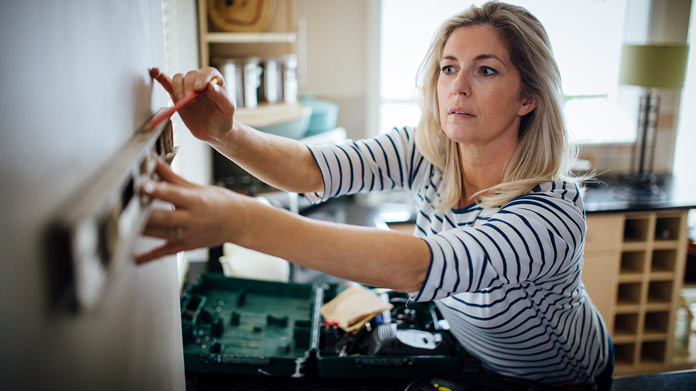
The real estate market is very competitive. Homeowners who want to sell their property for the highest price need to present it in the best possible way to potential buyers. That is where a home staging business can help. A home staging business helps homes appeal to ideal buyers by creating interior design which highlights the home’s strengths and minimizes its flaws.
You may also be interested in additional low cost business ideas.
Our guide is in 3 parts:
The startup costs for a home staging business depend on which types of services the business will offer. Potential owners who plan to only consult with homeowners can bootstrap a home staging business for less than a few thousand dollars. Full-service home staging businesses, which have goals of handling more lucrative projects, like filling empty homes with showhome-quality furnishings and accessories, are much more expensive to open. Besides the costs of acquiring, maintaining, and storing an inventory, there are other expenses like transportation and labor costs. One critical expense every home staging startup needs to consider is the cost of a website. A beautiful website is the single most important marketing tool in the industry. This requires hiring a professional web designer and photographer, which is pricey, but necessary.
Marketing is a big cost for all home staging businesses. This includes the cost of hosting a website and other forms of advertising. Depending on the scope of the business, monthly costs may also include rent for office and storage and labor.
The target markets for a home staging business are homeowners and real estate agents. Homeowners are more willing to hire new and less experienced home staging businesses than real estate agents.
A home staging business makes money by charging clients for their services. Clients generally pay for an initial consultation when they meet with a home stager for a walk-through of the property. After the initial consultation, customers can pay for additional advice on a per hour basis. Home stagers who are responsible for decorating a completely vacant home will normally charge a set rate per room per month. Many home staging business insist on a minimum contract length.
According to Thumbtack, the average home staging business charges between $165 and $2195 per staging job. Of course, the fees vary widely depending on the area and the type of service the home staging company provides, and whether the home is vacant or occupied. Some home staging companies charge as much as 1% of the sales price to stage an empty home.
It is not uncommon for experienced home stagers to earn more than $10,000 a month.
A home staging business can earn additional money decorating homes and businesses for special events. In addition, many of the same skills of home staging use every day are transferable to working in the field of interior design.
Running a home staging business means there is always something to do. Of course, home decoration is part of the business, but that only comes after securing a contract. That means the owners of home staging businesses spend most of their time marketing to real estate agents and home sellers through direct contact or through an online presence.
While potential owners of a home staging business do not need to acquire any professional certifications, those who attend workshops or enroll in a certification program will find they have a leg up in the industry. Many home staging business owners come from the field of interior design. The bare minimum to own and operate a home staging business is the ability to know how to decorate a home in a way that will appeal to a particular demographic of buyers.
There is real growth potential in the home staging industry. The popularity of interior design magazines and TV shows like House Hunters continue to influence what buyers expect to see when they attend an open house. That means empty rooms and poorly presented homes are likely to put off buyers. Today’s home sellers are willing to spend money to attract multiple offers on their property.
While it is possible to open a business in this industry without any training or experience, landing clients can be tough. Enrolling in a hands-on program will not only give potential owners valuable advice on the design and the business aspects of the business, but will also allow them to start building a portfolio of projects to showcase online. New owners need to understand the legal and financial aspects of this industry especially when it comes to writing and signing contracts. Access to a good lawyer is a great asset for home staging business owners when they are just starting out.
A team of movers is critical from day one for any home staging businesses that plans to stage vacant homes. All employees need to be trustworthy and dependable because they will have access to the homes of the clients.
Business Evaluation & Strategy Tool
We'll walk you through the four pillars every business needs: Points of Leverage, Marketing Strategy, Financial Model, and Personal Compatibility. At the end you'll see a personalized report and your action plan below will be tailored to your answers.
Every viable business has natural advantages. Below are common leverage points across four categories. Pick the ones that apply to your Home Staging business. We've pre-suggested a few based on your idea — review and adjust.
Without a way to connect with customers, even great businesses fail. Pick the channels you plan to use to reach your customers.
Enter your monthly baseline costs — the minimum overhead to keep the business running. Then we'll calculate how many sales per month you need to break even.
A business that doesn't fit your life will fail no matter how good the numbers look. Tell us how this business fits you.
Complete the four pillars and your personalized summary will appear here.
Nine concrete steps to take you from idea to open business, grouped into 30-day phases. Complete the planner above and we'll highlight what's most important for your situation.
An LLC keeps your personal assets separate from business debts and lawsuits — the most common reason small business owners choose this structure. Sole proprietorships and partnerships do not provide this protection.
Apply for your free Employer Identification Number through the IRS, then register for any state or local taxes that apply to your business (sales tax, franchise tax).
A dedicated business account is required to maintain personal asset protection. Mixing personal and business finances ('piercing the corporate veil') can void your LLC's liability shield.
Recording expenses and income from day one makes tax filing easier and lets you see when the business is actually profitable. Use software (QuickBooks, Wave) or a part-time bookkeeper.
State and local requirements vary widely. Brick-and-mortar businesses typically need a Certificate of Occupancy; service businesses may need specific professional licensing; food businesses need health permits.
General Liability Insurance is the most common starting point. If you'll have employees, most states require Workers' Compensation. Specific industries need additional coverage (product liability, professional liability, etc.).
Your brand is how customers perceive and remember you. A clear name, logo, and visual identity make every later marketing decision easier and protect you legally as you grow.
Every legitimate business needs a website. Social media pages are not a substitute — you don't own the platform. Modern website builders mean you can launch a clean site in a weekend without a developer.
A dedicated business number keeps your personal life private, makes the business look legitimate, and lets you route calls professionally. Cloud phone services start under $20/month.
Starting a Home Staging business typically costs $2,000 to $15,000. It is considered a medium capital-intensity business.
A Home Staging business runs roughly a 6% net profit margin, and most owners reach break-even in about 4 to 12 months.
You can usually launch a Home Staging business in about 12 to 36 weeks, and it is commonly run part time.
A Home Staging business is generally an intermediate-skill business to start, with rising demand. TRUiC rates it 57 out of 100 on our Idea Score.
Most Home Staging businesses register as an LLC or other legal entity and obtain a general business license. Depending on your state and city you may also need industry-specific permits, sales tax registration, and zoning or health approvals, so check your local requirements before you launch.