Startup cost
$10k–$30k
TRUiC Business Ideas
Decision Snapshot
Idea Score
72
Startup cost
$10k–$30k
Profit margin
41%
Break-even
4 mo–12 mo
Time to launch
2 wk–12 wk
Demand trend
Stable
5-yr failure rate
—
Capital intensity
Medium
Time commitment
Flexible
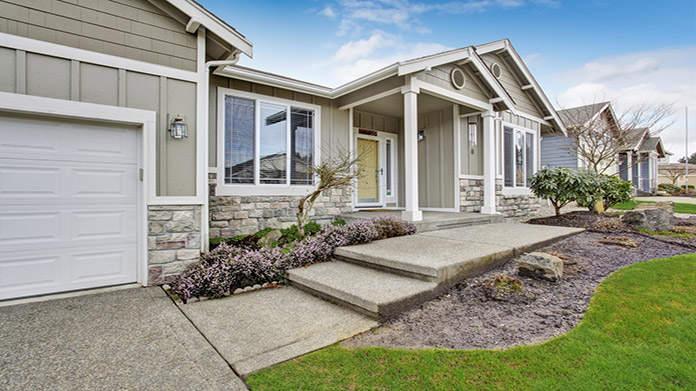
A home inspector performs a thorough inspection of both the interior and exterior of homes and provides clients with detailed written reports of their findings as well as recommendations for any necessary repairs. Many times the inspector will suggest that the individual hire an expert to get a more qualified opinion if there are tell-tale signs of damage.
Our guide is in 3 parts:
Obtaining training and certification is one of the initial costs, and obtaining a business license is another. Home Inspection insurance is also a crucial startup cost, since customers will be advised to hire inspectors who carry it for the protection of both parties. Other startup costs include a dependable vehicle and some basic office and inspection equipment. Essential office equipment includes a computer capable of running home inspection software, telephone, fax, color copier, and a quality digital camera. You’ll also need a desk, chairs, and shelving as well as report binders and business cards. Basic inspection tools include ladders ($200-$500) and testing equipment such gas and moisture detectors, circuit tester and a voltage “sniffer”, and an infrared thermometer. You’ll also need some basic tools such as screwdrivers and pliers. Depending on whether your equipment is new or used, startup costs can range from $10,000 to $30,000.
Ongoing expenses for a home inspection business include:
Maintaining a business license and professional liability insurance
Office supplies
Vehicle and equipment maintenance
Continuing education
Preferred customers are homebuyers, real estate agents, and mortgage lenders.
A home inspection business makes money by charging clients for their time, experience and expertise in discovering potentially costly damage as well as any safety hazards in homes for sale, thereby saving homebuyers money.
The cost of a home inspection depends on the size and complexity of the structure or structures to be inspected. Fees range from $200 to $470, with an average of approximately $325. A separate termite inspection typically costs $300, while an inspection for the presence of radon gas averages $750. The more training and equipment your home inspection business has, the more earning opportunities it will have also.
Annual income for home inspectors, depending upon education and experience, ranges between $26,000 and $66,000, with an average of $45,000. Unlike other types of businesses, people own their homes for an average of eight years, which means that any repeat business is unlikely to come from clients, though it may come through recommendations from real estate agents or mortgage lenders.
One way to make your business more profitable is by advertising how much money your services are saving your clients. Home inspections are routinely used as a contingency in purchase offers, which means that your services can result in your clients being able to back out of a contract with no financial penalty. A home inspection is a money- saving investment. By acquiring vital information about the condition of a home, your clients can save thousands of dollars by making a counter-offer that takes needed repairs into consideration.
Daily activities performed by the owners of this type of business include:
Scheduling appointments with clients
Exterior inspection of walls, foundation, grading, drainage, garage, and roof
Interior inspection of plumbing, electrical, heating, air conditioning and ventilation systems
Fire safety inspection of water heater and all appliances
Communicating with clients, real estate agents, and bank representatives
Compiling detailed written reports of all findings
Recommending repairs and/or more in-depth inspections by experts
Sales and marketing
Filing and archiving
Skills essential for success in this business include:
Technical knowledge that encompasses a thorough understanding all house systems as well as insulation. A basic education designed specifically for this business is available through many community colleges or even online courses.
Verbal communication skills to discuss key findings with clients.
Report writing and basic photography skills for purposes of illustration. Detailed reports establish credibility and minimize liability in the event of a dispute and home buyers depend on them to receive financing and/or insurance approval.
Business and marketing skills to supplement there is a higher reliance on word of mouth advertising because a satisfied customer speaks much more clearly than a constructed advertisement for the service.
Some home inspection businesses have become successful enough to offer franchise opportunities. The benefits of franchises include assistance in obtaining insurance, reporting tools, ready-made contracts, continuing education opportunities and mentoring by a network of experienced professionals.
Seasoned professionals advise becoming a member of organizations such as ASHI, the American Society of Home Inspectors. They also advise learning about real estate practices, building codes, and construction trends through workshops, courses, and talking frequently with others in the industry. Taking advantage of the expertise of successful, experiences home inspectors is one of the best ways to achieve your own success in this type of business. It’s also advisable to take courses in accounting and business contract law.
While you may perform inspections alone, it’s important to build a team from the beginning. It may take some time to build up your business to the point where you are able to hire employees. However, your team will consist of the professionals you recommend to your clients for the correction or repair of any problems or unsafe conditions you find during the course of your inspection. Your customers will appreciate your knowledge of the quality of work of local professionals.
Business Evaluation & Strategy Tool
We'll walk you through the four pillars every business needs: Points of Leverage, Marketing Strategy, Financial Model, and Personal Compatibility. At the end you'll see a personalized report and your action plan below will be tailored to your answers.
Every viable business has natural advantages. Below are common leverage points across four categories. Pick the ones that apply to your Home Inspection business. We've pre-suggested a few based on your idea — review and adjust.
Without a way to connect with customers, even great businesses fail. Pick the channels you plan to use to reach your customers.
Enter your monthly baseline costs — the minimum overhead to keep the business running. Then we'll calculate how many sales per month you need to break even.
A business that doesn't fit your life will fail no matter how good the numbers look. Tell us how this business fits you.
Complete the four pillars and your personalized summary will appear here.
Nine concrete steps to take you from idea to open business, grouped into 30-day phases. Complete the planner above and we'll highlight what's most important for your situation.
An LLC keeps your personal assets separate from business debts and lawsuits — the most common reason small business owners choose this structure. Sole proprietorships and partnerships do not provide this protection.
Apply for your free Employer Identification Number through the IRS, then register for any state or local taxes that apply to your business (sales tax, franchise tax).
A dedicated business account is required to maintain personal asset protection. Mixing personal and business finances ('piercing the corporate veil') can void your LLC's liability shield.
Recording expenses and income from day one makes tax filing easier and lets you see when the business is actually profitable. Use software (QuickBooks, Wave) or a part-time bookkeeper.
State and local requirements vary widely. Brick-and-mortar businesses typically need a Certificate of Occupancy; service businesses may need specific professional licensing; food businesses need health permits.
General Liability Insurance is the most common starting point. If you'll have employees, most states require Workers' Compensation. Specific industries need additional coverage (product liability, professional liability, etc.).
Your brand is how customers perceive and remember you. A clear name, logo, and visual identity make every later marketing decision easier and protect you legally as you grow.
Every legitimate business needs a website. Social media pages are not a substitute — you don't own the platform. Modern website builders mean you can launch a clean site in a weekend without a developer.
A dedicated business number keeps your personal life private, makes the business look legitimate, and lets you route calls professionally. Cloud phone services start under $20/month.
Starting a Home Inspection business typically costs $10,000 to $30,000. It is considered a medium capital-intensity business.
A Home Inspection business runs roughly a 41% net profit margin, and most owners reach break-even in about 4 to 12 months.
You can usually launch a Home Inspection business in about 2 to 12 weeks, and it is commonly run flexible.
A Home Inspection business is generally an intermediate-skill business to start, with stable demand. TRUiC rates it 72 out of 100 on our Idea Score.
Most Home Inspection businesses register as an LLC or other legal entity and obtain a general business license. Depending on your state and city you may also need industry-specific permits, sales tax registration, and zoning or health approvals, so check your local requirements before you launch.