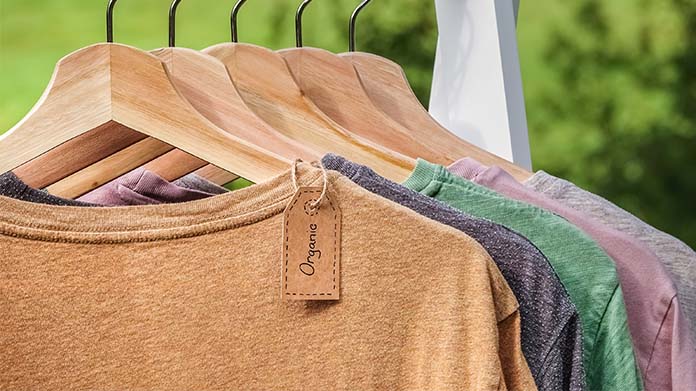
Part 1 - How to Start a Hemp Clothing Store - Background
A hemp clothing retailer sells defined finished garments or blends for actual customer needs. Keep the original ideas of suitable brands, product knowledge, a thoughtful assortment and optional online-first sales. Verify fiber and product information, make specific supported environmental claims, and price complete stock, work, returns and cash obligations.
Our guide is in 3 parts:
- Part 1 - How to start a Hemp Clothing business - Background
- Part 2 - Our planner tool to see if this idea is the right fit for you
- Part 3 - Action plan to get started
What are the costs involved in opening a Hemp Clothing Store?
Choose a defined assortment, actual finished-garment suppliers and an appropriate retail channel. The 2022 NAICS Manual supports 458110 for new finished clothing retail; manufacturing/jobber, cultivation and cannabinoid-product operations are different activities.
Quote landed stock by product/size, supplier verification, suitable product/labels, site or platform, displays/POS, owner/team work, insurance, marketing, fulfillment/returns and cash. No complete national $10,000–$15,000 startup was verified. An online-first shop can be an option with its own fees, customer acquisition, stock and return costs.
Verify actual fiber composition/origin/care and product/import/supplier-role requirements before sales. Finished-textile retail does not automatically authorize growing plants, processing cannabinoids or adding CBD/cannabis products.
What are the ongoing expenses for a Hemp Clothing Store?
Keep the original rent/utilities, stock, staff and website/marketing categories. Add freight, fees, size/fit returns, discounts/slow stock, supplier evidence/quality work, insurance, records/admin and owner time.
Model supplier deposits/credit, reorder cycles, imported or delayed stock, customer/channel settlements, returns and refunds. Existing space or a retailer website does not remove those obligations.
Who is the target market?
Research actual customers by fit, function, feel, style, price, access and interest in specific verified product attributes. Do not assume all ages prefer hemp or that environmental interest automatically produces premium-price purchases.
FTC’s Green Guides summary cautions against broad unqualified “green” or “eco-friendly” claims. Use actual supported specific benefits and relevant limitations/trade-offs. “Hemp,” a seal or a supplier story is not proof that every garment is organic, harmless or environmentally superior overall.
How does a Hemp Clothing Store make money?
Earn actual retail receipts from clearly described garments and appropriate accessories. Distinguish retail list price from net receipts after discounts, returns, taxes and channel/payment deductions.
Verify supplier rights, product specifications and terms, landed costs, minimums, returns and availability. A wholesale discount or a premium brand image does not establish a nice net margin.
How much can you charge customers?
Compare current matching fiber blend, construction, fit/size, care, quality, condition and channel/service. Price actual landed stock, customer service/work, selling/fulfillment fees, returns and allocated overhead.
A luxury location or environmental story does not establish collectible premium prices. Provide accurate product descriptions and transparent totals rather than use a general margin target as proof of value.
How much profit can a Hemp Clothing Store make?
No representative 37.5% net margin or 25–50% store margin range was established. Calculate actual product/size/channel contribution after landed goods, discounts/returns, fees, fulfillment and direct service work, then cover premises, loaded owner/staff work, insurance, acquisition and administration.
Model realistic sell-through, size mix, supplier lead times, markdowns, returns and stock losses. Forecast supplier/customer payments and cash separately; no fixed launch or 4–12-month recovery period was verified.
How can you make your business more profitable?
Keep optional new customer groups, styles, artisan suppliers, online channels and locations where actual demand supports them. Children’s garments, other product categories or own manufacture need their own requirements, qualified sourcing, full work and cash assessment.
Improve reliable stock, suitable fit, truthful descriptions and repeat customer contribution. Cutting costs or expanding categories does not automatically increase net profit, and environmental claims still need appropriate product-specific support.
Day-to-Day and Growth
What happens during a typical day at a Hemp Clothing Store?
Receive and verify stock, maintain accurate fiber/size/care descriptions, help customers, process orders and returns, coordinate fulfillment, research suitable products and maintain supplier, claims and cash records.
FTC’s textile guidance describes key label information for most covered textiles and distinguishes care-label rules. Review actual product/role-specific requirements rather than assume a plant-based fiber is exempt from ordinary apparel responsibilities.
What are some skills and experiences that will help you build a successful Hemp Clothing Store?
Develop accurate textile/product and fit/care knowledge, respectful customer communication, reliable sourcing, inventory/returns control, truthful claims and full cost/cash management. Retail experience or environmental interest can inform planning without guaranteeing results.
Check actual business, site, product, worker and insurance conditions. A private course or certificate may support particular skills but is not blanket legal or product approval.
What is the growth potential for a Hemp Clothing Store?
Assess actual paid demand, repeat purchases, stock turnover, qualified service capacity and collected contribution. A new assortment, online reach or franchise has acquisition, sourcing, quality, return and cash constraints; growth is not unlimited.
A successful first location does not establish that another region or channel will be viable. Verify actual product claims and operation economics before expanding.
What are some insider tips for jump starting a Hemp Clothing Store?
Keep the original idea of researching competing products and actual customer needs. Compare specifications, trustworthy evidence, fit/service, prices and fulfillment rather than competing through unsupported environmental superlatives.
FTC notes that third-party certification does not remove the need to substantiate express and implied claims. Verify the exact seal’s scope, rights and supporting information instead of treating any badge as universal organic or environmental approval.
How and when to build a team
Choose qualified sales/support, inventory and online fulfillment coverage for actual hours, work and costs. Solo, provider or staff arrangements are options; a universal immediate retail team was not established.
Train people in accurate product and environmental claims, returns, privacy and service limits. Budget full loaded work, supervision, insurance, continuity and cash rather than rely on shared environmental enthusiasm to create sales.
Part 2 - Is this business right for you?
Business Evaluation & Strategy Tool
We'll walk you through the four pillars every business needs: Points of Leverage, Marketing Strategy, Financial Model, and Personal Compatibility. At the end you'll see a personalized report and your action plan below will be tailored to your answers.
This guide's benchmarks are under editorial review. Enter your own figures and choose the assumptions that fit your business.
Step 1 of 4 — Points of Leverage
Every viable business has natural advantages. Below are common leverage points across four categories. Pick the ones that apply to your Hemp Clothing business.
Step 2 of 4 — Marketing Strategy
Without a way to connect with customers, even great businesses fail. Pick the channels you plan to use to reach your customers.
Step 3 of 4 — Financial Model
Enter your monthly baseline costs — the minimum overhead to keep the business running. Then we'll estimate how many customer transactions would cover that overhead before variable costs.
Step 4 of 4 — Personal Compatibility
A business that doesn't fit your life will fail no matter how good the numbers look. Tell us how this business fits you.
Your Hemp Clothing Evaluation Report
Complete the four pillars and your personalized summary will appear here.
Points of Leverage
Marketing Strategy
Financial Model
Personal Compatibility
Part 3 - Your business launch action plan
Before committing to launch costs, test your business idea with potential customers. Use the free worksheet to record the offer, evidence and next decision.
Nine concrete steps to take you from idea to open business, grouped into 30-day phases. Adjust the phases to fit your funding, permits, and operating needs. Complete the planner above and we'll highlight what's most important for your situation.
First 30 days — Foundation
-
Choose a permitted business structure
Compare structures permitted for your activity, location, ownership and tax situation. Professional practices can have special entity and ownership rules. Check those requirements before filing; an LLC does not protect against every kind of personal liability.
-
Check tax IDs and registrations
Determine whether you need an EIN based on ownership, tax treatment, employees and applicable tax obligations. Some sole-owner businesses do not need one for federal income-tax purposes, while a bank or state may still require it. Apply directly with the IRS when needed and check applicable state or local registrations.
-
Separate business finances
Choose an appropriate business account and keep clear financial records. Separating business and personal transactions supports bookkeeping and entity formalities. Banks have their own eligibility and documentation requirements; a separate account is not a guarantee against personal liability.
-
Set up business accounting
Recording expenses and income from day one makes tax filing easier and lets you see when the business is actually profitable. Use software (QuickBooks, Wave) or a part-time bookkeeper.
Days 30–60 — Compliance & Risk
-
Get permits and licenses
Check the authorities responsible for your business activity and operating location. Professional authorization, tax registration, facility permits and product requirements are different questions. Online or mobile operations can still have licensing and other regulatory obligations.
-
Get business insurance
Identify the risks and coverage obligations for your activities, workers and location. Review applicable liability, property, professional or product coverage and workers’ compensation with the relevant state authority and a licensed insurance professional. Required coverage varies by jurisdiction and operation.
Days 60–90 — Launch
-
Define your brand
Choose a name, message and visual identity that help your intended customers understand the business. Check relevant name and trademark requirements before investing in a brand; a logo or business-name registration alone does not establish complete legal protection.
-
Create your business website
Choose a web presence that fits how your customers research and buy. A website can explain your offer, support inquiries or sales, and connect your marketing channels. Plan the content, accessibility, privacy and maintenance requirements for the features you need.
-
Set up your business phone system
Choose a customer-contact setup that fits your sales and service process. Compare current provider terms, business-use eligibility, routing features and ongoing costs, and decide how you will keep personal contact details separate.