Startup cost
$15k–$50k
TRUiC Business Ideas
Decision Snapshot
Idea Score
49
Startup cost
$15k–$50k
Profit margin
6%
Break-even
4 mo–12 mo
Time to launch
12 wk–36 wk
Demand trend
Stable
5-yr failure rate
—
Capital intensity
High
Time commitment
Full time
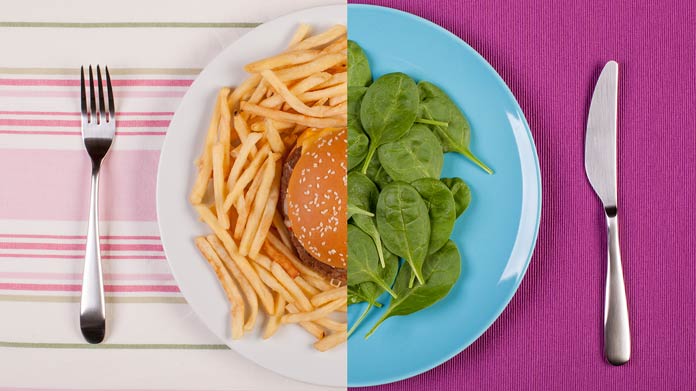
A healthy fast food restaurant serves nutritious food and beverages in a timely manner. This type of business is quickly gaining market share from traditional fast food restaurants as the healthy variety improves consumer well-being. Such nutritious food is offered at low prices, served rapidly and satiates cravings without compromising physical health.
Our guide is in 3 parts:
The restaurant itself must be built or leased. Food prep stations, cookware, dishes, silverware, dishwashers, napkins, trays, refrigerators, ovens, cash registers and ingredients are necessary. The business requires insurance, utilities, employees, advertising and possibly a drive-thru lane. Plan on spending tens of thousands of dollars for all of the equipment listed above. Building a fast food restaurant will cost hundreds of thousands of dollars. Alternatively, you can lease/rent a space on a monthly basis.
The facility’s mortgage/rent payment will likely run between $500 and several thousand dollars per month. Budget in upwards of $500 per month for insurance. However, if your healthy fast food restaurant sells strictly raw food, there won’t be a need for ovens. As a result, you will enjoy a considerable insurance break as the odds of a fire are dramatically reduced. Utilities will run a couple hundred dollars per month. Budget several thousand dollars per month for ingredients. Facility maintenance will run at least a couple hundred dollars per month. Budget $500 to $1,000 or more for monthly marketing. Cashiers, cooks, and food prep workers will earn $8 to $12 per hour. If you do not want to handle marketing and accounting duties, budget an annual salary of $30,000 to $50,000 for these professionals. Plan on paying a maintenance expert $15 to $25 per hour.
The target market is individuals who are health-conscious yet do not have the time or skill necessary to make delicious food at home. These individuals tend to be busy full-time workers who are looking for a quick meal after leaving work, heading home from the gym and so on. These individuals tend to be young, well-educated and savvy about the nuances of health and nutrition. Shape your menu so it appeals to this demographic and you will enjoy a steady stream of customers.
This business makes money by selling high-quality, delicious and nutritious food and beverages to customers.
In general, healthy fast food restaurant meals typically cost between $5 and $15.
It is possible to make millions of dollars. Build a successful initial restaurant, reinvest the proceeds in additional restaurants and you will have quite the profitable business. In general, aim to make $50,000 to $100,000 per year at each of your locations. Strive to increase this per-restaurant profit year-by-year and you will gradually build a business empire that rakes in millions of dollars.
One of the best ways to enhance profitability is to brand your products and sell them on the web or at local stores. As an example, consider Taco Bell’s popular hot sauce products. These hot sauces are available at Taco Bell restaurants as well as WalMarts and other stores throughout the country.
Customers place orders, wait a brief period of time for their food to be made and served and enjoy a satisfying meal. Healthy fast food restaurant employees take customer orders, prepare food, cook food, serve customers and clean the facility. Managers delegate work to cashiers, cooks, the maintenance crew, and custodians. Marketing professionals and accountants handle the advertising and financial aspects of the business. The owner oversees each of these employee groups, researches possible additions to the menu, changes recipes, modifies prices, and establishes/manages relationships with suppliers.
An individual who has experience in the fast food industry or as a traditional restaurant owner, manager, chef or server will make a fairly seamless transition to owning and operating a healthy fast food business. The entrepreneur should have a sincere passion for healthy food, providing his community with nutritious meals and filling customer orders without delay. It will also help if the entrepreneur is interested in organic food and vegetarian/vegan fare. Most important is an understanding of basic business principles. Nutritious food that is fresh and delicious tends to cost a significant amount of money. Furthermore, such food usually takes a considerable amount of time to prepare. High costs and extensive preparation/cooking time are direct threats to the profitability of healthy fast food restaurants. In order to turn a consistent profit, this business requires a delicate balancing of costs, customer service and diverse offerings.
This is the best time to start a healthy fast food restaurant business. People are looking for healthy alternatives to traditional fast food offerings. If your employees can make and serve tasty food in little time, your business will thrive. If your business is especially successful, you can expand operations across the country or even the world. The growth potential is truly limitless.
Though all of the offerings should be healthy, taste should not be sacrificed. When in doubt, err on the side of delicious rather than uber-healthy. Do not restrict your menu to organic, vegetarian, or vegan fare. The menu should have diverse offerings that appeal to a wide variety of customers. Furthermore, you should not hesitate to alter the menu based on the ingredients that are in season. Serve fresh, high-quality food that satisfies cravings without sacrificing health and customers will return. More importantly, they will spread the word about your healthy fast food restaurant to friends, family, co-workers and others. Do not lose sight of the fact that those who patronize your restaurant are looking for prompt service. Invest heavily in food preparation efforts so the cooking and serving times are as short as possible.
Build a team right away. Your healthy fast food restaurant requires cashiers, cooks, food prep workers, a maintenance expert, cleaners, and a manager. You can probably handle the marketing and accounting duties at first. However, professionals for these specialties will be necessary as the business expands.
Business Evaluation & Strategy Tool
We'll walk you through the four pillars every business needs: Points of Leverage, Marketing Strategy, Financial Model, and Personal Compatibility. At the end you'll see a personalized report and your action plan below will be tailored to your answers.
Every viable business has natural advantages. Below are common leverage points across four categories. Pick the ones that apply to your Healthy Fast Food business. We've pre-suggested a few based on your idea — review and adjust.
Without a way to connect with customers, even great businesses fail. Pick the channels you plan to use to reach your customers.
Enter your monthly baseline costs — the minimum overhead to keep the business running. Then we'll calculate how many sales per month you need to break even.
A business that doesn't fit your life will fail no matter how good the numbers look. Tell us how this business fits you.
Complete the four pillars and your personalized summary will appear here.
Nine concrete steps to take you from idea to open business, grouped into 30-day phases. Complete the planner above and we'll highlight what's most important for your situation.
An LLC keeps your personal assets separate from business debts and lawsuits — the most common reason small business owners choose this structure. Sole proprietorships and partnerships do not provide this protection.
Apply for your free Employer Identification Number through the IRS, then register for any state or local taxes that apply to your business (sales tax, franchise tax).
A dedicated business account is required to maintain personal asset protection. Mixing personal and business finances ('piercing the corporate veil') can void your LLC's liability shield.
Recording expenses and income from day one makes tax filing easier and lets you see when the business is actually profitable. Use software (QuickBooks, Wave) or a part-time bookkeeper.
State and local requirements vary widely. Brick-and-mortar businesses typically need a Certificate of Occupancy; service businesses may need specific professional licensing; food businesses need health permits.
General Liability Insurance is the most common starting point. If you'll have employees, most states require Workers' Compensation. Specific industries need additional coverage (product liability, professional liability, etc.).
Your brand is how customers perceive and remember you. A clear name, logo, and visual identity make every later marketing decision easier and protect you legally as you grow.
Every legitimate business needs a website. Social media pages are not a substitute — you don't own the platform. Modern website builders mean you can launch a clean site in a weekend without a developer.
A dedicated business number keeps your personal life private, makes the business look legitimate, and lets you route calls professionally. Cloud phone services start under $20/month.
Starting a Healthy Fast Food business typically costs $15,000 to $50,000. It is considered a high capital-intensity business.
A Healthy Fast Food business runs roughly a 6% net profit margin, and most owners reach break-even in about 4 to 12 months.
You can usually launch a Healthy Fast Food business in about 12 to 36 weeks, and it is commonly run full time.
A Healthy Fast Food business is generally an intermediate-skill business to start, with stable demand. TRUiC rates it 49 out of 100 on our Idea Score.
Most Healthy Fast Food businesses register as an LLC or other legal entity and obtain a general business license. Depending on your state and city you may also need industry-specific permits, sales tax registration, and zoning or health approvals, so check your local requirements before you launch.