Startup cost
$1.0k–$10k
TRUiC Business Ideas
Decision Snapshot
Idea Score
68
Startup cost
$1.0k–$10k
Profit margin
20%
Break-even
4 mo–12 mo
Time to launch
2 wk–12 wk
Demand trend
Stable
5-yr failure rate
—
Capital intensity
Medium
Time commitment
Flexible
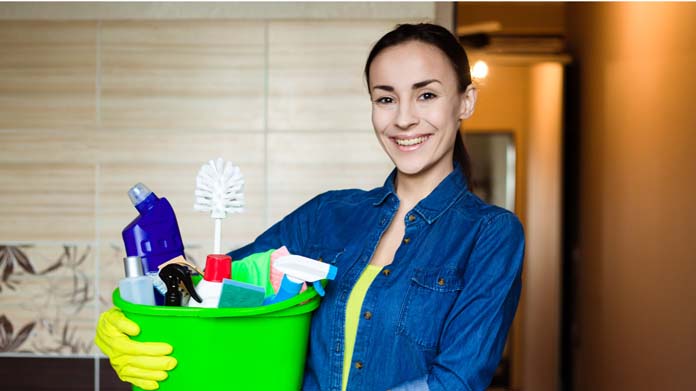
Starting a green cleaning products business can be an exciting and rewarding business venture for entrepreneurs who are passionate about sustainability and want to make a positive impact on the environment.
Having said that, you should keep in mind that launching a successful green cleaning products business requires careful planning, significant investment, and a wide range of skills.
In this comprehensive guide, we’ll walk you through all the essential steps you’ll need to take to start your own green cleaning products business, from conducting market research and obtaining licenses, to establishing supply and distribution channels, plus attracting customers.
Our guide is in 3 parts:
In 2023 alone, the global household cleaning products industry was valued at around $38.39 billion USD. Additionally, the market’s value has been steadily growing at a compound annual growth rate (CAGR) of around 2.58% since 2013 and is expected to reach a value of $46.5 billion USD by 2029.
While this sector is made up of a number of different types of cleaning products, laundry care products appear to be the leader of all segments in terms of value.
On top of this, there’s a growing overall trend among consumers to value sustainability when it comes to choosing which products to buy, with more than 30% of US consumers indicating that they would be prepared to pay extra for home and laundry products that are eco-friendly.
This growing market represents the perfect opportunity to offer cleaning products that meet both environmental standards and consumer demand.
If you’re considering whether a green cleaning products business is right for you, the first thing you’ll need to know is whether it’s a) affordable, and b) worth the investment. I mean, how much can you actually make running your own green cleaning products business?
Well, it depends. The initial investment for a green cleaning products business varies widely based on factors such as your business’s size and the type of cleaning products it offers:
In addition to these initial expenses, the main ongoing costs you should be aware of will include replenishing the necessary raw materials, obtaining packaging supplies, and the cost of shipping orders to customers as you continue production.
On top of this, you’ll also need to budget for marketing efforts, rent for a warehouse to store your product, and regular business insurance premiums to keep your operations running smoothly.
The earning potential for a green cleaning products business is promising, especially given the growing preference of consumers toward environmentally sustainable products.
Revenue will either be generated through the sale of individual products directly to consumers, or bulk sales made to places like supermarkets, wholesalers, or multi-level marketing companies.
Ultimately, the pricing will be dictated by production costs, packaging, and market demand, though it’s worth noting that green cleaning products typically allow for higher price points since customers are willing to pay more for them.
Profit margins can grow significantly over time, though will typically range somewhere between 20% and 40% — the key to making profit with this business model is to take advantage of bulk buying discounts to maintain competitive pricing while offering your customers high-quality and eco-friendly products.
While some businesses may start seeing profits within the first year, it typically takes around three years to build a strong reputation and generate six-figure profits. To increase profitability, you should focus on expanding your reach through large online platforms like Amazon and by actively engaging in the eco-friendly community through workshops, conventions, and sponsorships.
The target market for a green cleaning products business includes environmentally conscious consumers looking for non-toxic, eco-friendly alternatives to traditional cleaning products.
It may also even extend to individuals who are sensitive to harsh chemicals, as well as businesses such as cleaning services, hotels, and schools that are seeking sustainable cleaning solutions for their operations.
A green cleaning products business makes money on the sale of each eco-friendly cleaning product to a consumer or business by taking advantage of bulk buying discounts.
Revenue is generated through direct sales via an online store, physical retail locations, or through wholesale partnerships with retailers or service providers that require sustainable cleaning solutions for their customers.
The price you can charge customers will depend on factors like your production costs, packaging, and market demand.
Generally, eco-friendly cleaning products command higher prices due to the use of sustainable ingredients and materials, with typical prices ranging from $5 to $20 per item (depending on product type, size, and quality).
While most eco-friendly cleaning product businesses turn a profit in the first year, it generally takes three years to build a well-established business.
It’s not uncommon for business owners who are committed to their cause and maintain a pulse on the latest trends to report a six-figure profit after the third year.
Business Evaluation & Strategy Tool
We'll walk you through the four pillars every business needs: Points of Leverage, Marketing Strategy, Financial Model, and Personal Compatibility. At the end you'll see a personalized report and your action plan below will be tailored to your answers.
Every viable business has natural advantages. Below are common leverage points across four categories. Pick the ones that apply to your Green Cleaning business. We've pre-suggested a few based on your idea — review and adjust.
Without a way to connect with customers, even great businesses fail. Pick the channels you plan to use to reach your customers.
Enter your monthly baseline costs — the minimum overhead to keep the business running. Then we'll calculate how many sales per month you need to break even.
A business that doesn't fit your life will fail no matter how good the numbers look. Tell us how this business fits you.
Complete the four pillars and your personalized summary will appear here.
Nine concrete steps to take you from idea to open business, grouped into 30-day phases. Complete the planner above and we'll highlight what's most important for your situation.
An LLC keeps your personal assets separate from business debts and lawsuits — the most common reason small business owners choose this structure. Sole proprietorships and partnerships do not provide this protection.
Apply for your free Employer Identification Number through the IRS, then register for any state or local taxes that apply to your business (sales tax, franchise tax).
A dedicated business account is required to maintain personal asset protection. Mixing personal and business finances ('piercing the corporate veil') can void your LLC's liability shield.
Recording expenses and income from day one makes tax filing easier and lets you see when the business is actually profitable. Use software (QuickBooks, Wave) or a part-time bookkeeper.
State and local requirements vary widely. Brick-and-mortar businesses typically need a Certificate of Occupancy; service businesses may need specific professional licensing; food businesses need health permits.
General Liability Insurance is the most common starting point. If you'll have employees, most states require Workers' Compensation. Specific industries need additional coverage (product liability, professional liability, etc.).
Your brand is how customers perceive and remember you. A clear name, logo, and visual identity make every later marketing decision easier and protect you legally as you grow.
Every legitimate business needs a website. Social media pages are not a substitute — you don't own the platform. Modern website builders mean you can launch a clean site in a weekend without a developer.
A dedicated business number keeps your personal life private, makes the business look legitimate, and lets you route calls professionally. Cloud phone services start under $20/month.
Starting a Green Cleaning business typically costs $1,000 to $10,000. It is considered a medium capital-intensity business.
A Green Cleaning business runs roughly a 20% net profit margin, and most owners reach break-even in about 4 to 12 months.
You can usually launch a Green Cleaning business in about 2 to 12 weeks, and it is commonly run flexible.
A Green Cleaning business is generally a beginner-skill business to start, with stable demand. TRUiC rates it 68 out of 100 on our Idea Score.
Most Green Cleaning businesses register as an LLC or other legal entity and obtain a general business license. Depending on your state and city you may also need industry-specific permits, sales tax registration, and zoning or health approvals, so check your local requirements before you launch.