Startup cost
$100k–$500k
TRUiC Business Ideas
Decision Snapshot
Idea Score
56
Startup cost
$100k–$500k
Profit margin
28%
Break-even
4 mo–12 mo
Time to launch
12 wk–36 wk
Demand trend
Rising
5-yr failure rate
—
Capital intensity
Very high
Time commitment
Full time
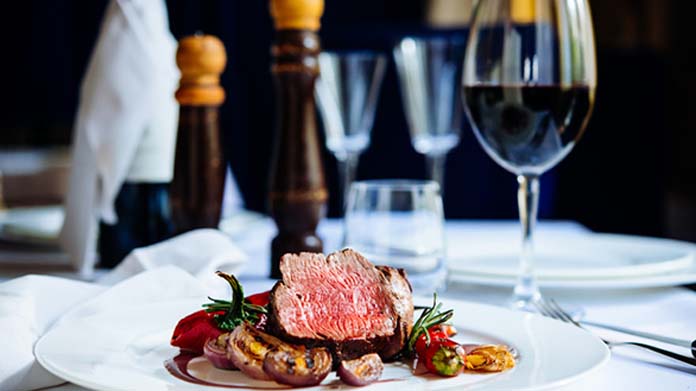
Serve the movers and shakers in your neighborhood at your very own upscale eatery. Fine dining often incorporates the very best in cuisine, superlative customer service, and a unique ambiance that encourages patrons to pay extra for the opportunity to share a meal at your location. This is not a business where cutting corners and bargain shopping will serve you well.
Our guide is in 3 parts:
You can easily spend a million by building your destination eatery and filling it with the very best leather seating, hand-carved tables, and cut-crystal stemware. Yes, your kitchen will require $100k to $200k in equipment, but the dining room can still look a mint while saving some needed cash. A good goal for start-up including interior decor should run about $500k.
You will be paying for your staff, alcohol, food supplies and maintaining the building. Your employees and alcohol will truly be the largest expenses, but alcohol provides plenty of profit. A healthy operating split is spending 30% on food, 30% on alcohol, 30% on staffing, and about 10% on the dining environment.
If you are situated in a large metropolitan area, there will be plenty of high-end executives and wealthy individuals who will look to you for a special night on the town. In more rural neighborhoods, your most common customers will be politicians, local celebrities, and resident patrons of the area economy.
Your profit is generated through charging for the food served to your clientele. While it might seem like profits will be huge in such an exclusive location, you will also be paying a premium for your chef, maitre d’, manager, and other employees. The cost of sourcing the freshest ingredients also eats into your bottom line.
Do your diligence and compare prices from other local fine dining establishments. Typically, you are able to charge between $40 to $100 per plate, but location does affect your pricing scale.
Your target should be that 30% of each meal is profit. While the national average for most restaurants is about $80,000/year in net profit, you can see significantly more when your fancy spot hits the lottery for the popular place to wine and dine.
Never skimp on the quality of your ingredients when catering to your upscale crowd. You can make huge profits by serving cocktails as alcohol provides an excellent profit margin. Just make sure that you hire a bartender of a similar caliber to your chef.
While there is the obvious part of cooking and serving meals to the paying public, that is only the tip of the iceberg. Here are some additional tasks your restaurant will need to manage:
Take reservations for future dates
Coordinate with kitchen to ensure just enough fresh product is available to prepare tonight’s meals
Maintain the dining room, allowing no sign of dirt or wear to appear on any surface or utensil
Work with local farms, gardens, wineries, craft brewers, and wholesale suppliers to create a unique menu and wine cellar
Provide event options for weddings, rotary clubs, anniversary dinners and other celebratory moments
Clean the kitchen to create a sanitary environment to prepare the cuisine
Train servers to provide superlative service with complete knowledge of the menu and wine list
Maintain the building
Pay vendors, suppliers, and employees
If you intend on doing the cooking, then you should definitely have years of experience working in successful fine dining kitchens. If you are simply the owner, your experience will lie more in the marketing end. You need a keen sense of what is popular in the foodie world at this instant, current styles, and how that may affect the design for your restaurant. Other items to keep in mind would be:
ServSafe certification for food handling and preparation
Background in the hostess and entertainment industry
Basic business skills
Excellent networking ability
Knowledge of cuisine, top-shelf drinks, and fine wine
Insight into expectations of a fine dining customer
Should you find the magic mixture of menu, service, excellent food, and an electric atmosphere, there is every possibility you may look at adding extra seats in the near future. Franchising into multiple locations should only be considered once you have passed the five-year mark with continued growth forecast, otherwise you may end up looking down a very large hole of debt.
You are targeting customers that like spending money but also want some entertainment. Invest in the latest tech toys for payment systems, online reservations, lighting, VIP parking, and even loyalty perks. However, it will always be your cuisine that will keep them coming back. Make sure to hire the very best chef available who has a unique flair that won’t be duplicated by the other restaurants in town.
You need your chef, restaurant manager, and maitre d’ as part of your development team from the beginning. Servers and other kitchen staff can be hired one month before opening.
Business Evaluation & Strategy Tool
We'll walk you through the four pillars every business needs: Points of Leverage, Marketing Strategy, Financial Model, and Personal Compatibility. At the end you'll see a personalized report and your action plan below will be tailored to your answers.
Every viable business has natural advantages. Below are common leverage points across four categories. Pick the ones that apply to your Fine Dining business. We've pre-suggested a few based on your idea — review and adjust.
Without a way to connect with customers, even great businesses fail. Pick the channels you plan to use to reach your customers.
Enter your monthly baseline costs — the minimum overhead to keep the business running. Then we'll calculate how many sales per month you need to break even.
A business that doesn't fit your life will fail no matter how good the numbers look. Tell us how this business fits you.
Complete the four pillars and your personalized summary will appear here.
Nine concrete steps to take you from idea to open business, grouped into 30-day phases. Complete the planner above and we'll highlight what's most important for your situation.
An LLC keeps your personal assets separate from business debts and lawsuits — the most common reason small business owners choose this structure. Sole proprietorships and partnerships do not provide this protection.
Apply for your free Employer Identification Number through the IRS, then register for any state or local taxes that apply to your business (sales tax, franchise tax).
A dedicated business account is required to maintain personal asset protection. Mixing personal and business finances ('piercing the corporate veil') can void your LLC's liability shield.
Recording expenses and income from day one makes tax filing easier and lets you see when the business is actually profitable. Use software (QuickBooks, Wave) or a part-time bookkeeper.
State and local requirements vary widely. Brick-and-mortar businesses typically need a Certificate of Occupancy; service businesses may need specific professional licensing; food businesses need health permits.
General Liability Insurance is the most common starting point. If you'll have employees, most states require Workers' Compensation. Specific industries need additional coverage (product liability, professional liability, etc.).
Your brand is how customers perceive and remember you. A clear name, logo, and visual identity make every later marketing decision easier and protect you legally as you grow.
Every legitimate business needs a website. Social media pages are not a substitute — you don't own the platform. Modern website builders mean you can launch a clean site in a weekend without a developer.
A dedicated business number keeps your personal life private, makes the business look legitimate, and lets you route calls professionally. Cloud phone services start under $20/month.
Starting a Fine Dining business typically costs $100,000 to $500,000. It is considered a very high capital-intensity business.
A Fine Dining business runs roughly a 28% net profit margin, and most owners reach break-even in about 4 to 12 months.
You can usually launch a Fine Dining business in about 12 to 36 weeks, and it is commonly run full time.
A Fine Dining business is generally an intermediate-skill business to start, with rising demand. TRUiC rates it 56 out of 100 on our Idea Score.
Most Fine Dining businesses register as an LLC or other legal entity and obtain a general business license. Depending on your state and city you may also need industry-specific permits, sales tax registration, and zoning or health approvals, so check your local requirements before you launch.