Startup cost
$50k–$500k
TRUiC Business Ideas
Decision Snapshot
Idea Score
48
Startup cost
$50k–$500k
Profit margin
23%
Break-even
4 mo–12 mo
Time to launch
12 wk–36 wk
Demand trend
Stable
5-yr failure rate
—
Capital intensity
Very high
Time commitment
Full time
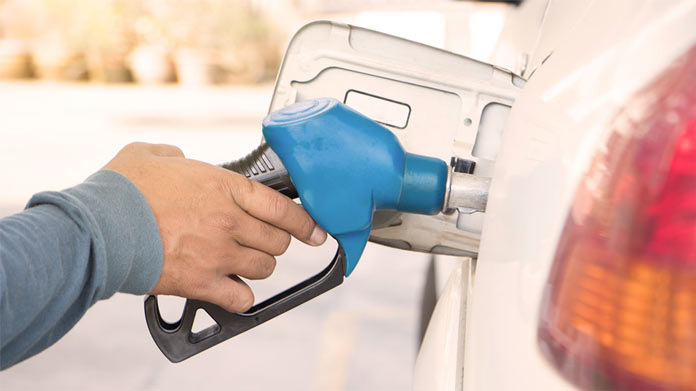
In addition to being found in medium- and heavy-duty vehicles, such as commercial vans and semis, diesel engines are also installed in some sports cars, passenger vehicles and pickup trucks. Diesel performance shop businesses specialize in servicing the diesel engines in these light-duty vehicles and maximizing their performance. (Pickups branded “heavy duty” still fall into the light- or medium-duty range of diesel vehicles.)
The number of diesel passenger vehicles in the United States pales in comparison to how many petrol-powered cars and trucks there are. The niche market requires specialized mechanics, however, and it’s growing. In 2016, over 280,000 additional diesel passenger vehicles were registered across the 50 states.
Our guide is in 3 parts:
The startup costs for a diesel performance shop business are substantial. Shops need a space to perform work in, diagnostic software, shop management software, equipment, tools, and supplies.
Some business owners try to save on startup costs by purchasing a service truck rather than acquiring a traditional garage. A service truck is more suited to working on commercial fleets than personal diesel vehicles, however. Businesses that have fleets usually have a yard where work can be done, but individuals are often hesitant to let mechanics work in their driveway or home’s garage.
The ongoing costs for a diesel performance shop are labor, parts and overhead. Labor should account for 30 percent of revenue, parts for 25 percent, and overhead for 10 percent.
The target market for a diesel performance shop is anyone who owns a light-duty diesel vehicle. This includes contractors who have a diesel pickup trucks, automotive enthusiasts who have diesel sports cars and everyday drivers who drive fuel-efficient diesel models.
A diesel performance shop business makes money by charging for the repairs, maintenance and other work done. Invoices include charges for labor and parts.
As mentioned, customer charges are broken into labor and parts costs.
Labor rates vary, but they’re often a little less than $100 per hour. For example, Graber Diesel Repair of Cheyenne’s rate is $80 per hour.
Parts should be marked up by 30 to 60 percent of their cost. Some shops use lower markup percentages for more expensive parts.
The profit potential for a diesel performance shop is substantial. The above operating costs leave a 35 percent profit, and the average diesel repair runs $800. Thus, a business can expect to make about $280 per typical service.
Diesel performance shop businesses can increase their revenue and profits by branching into heavy-duty diesel service. Working on larger equipment requires CDL licenses, more room, more specialized knowledge, and more expensive equipment. It gives businesses access to commercial accounts that can provide lucrative ongoing work, though.
A typical day at a diesel performance shop business is full of activity. Business owners:
Diagnose and repair existing problems
Check and perform routine maintenance
Order and install aftermarket parts
Recommend engine upgrades and improvements
In many cases, business owners serve a dual role as advisor and mechanic, helping customers decide what work should be done and then complete that work.
While it’s not necessary to be a diesel technician before opening a diesel performance shop business, being a competent technician is extremely helpful. Business owners who themselves are familiar with diesel engines can check technicians work rather than rely on technicians for advice.
Business owners who aren’t already experienced diesel technicians can attend a training program through their local vocational school or community college, or via an online course. Penn Foster Career School offers an online diesel technician program.
However business owners pursue diesel tech training, their formal education should be paired with real-world experience working in a diesel performance shop. Business owners may want to work in the industry for anywhere from 6 months to several years before starting out on their own.
A diesel performance shop may have a single location or a number of locations. For example, J&S Diesel has a single location in Las Vegas while D&W Diesel has shops throughout the Northeast.
Before launching a diesel performance shop business, business owners should first carefully review the competition in their area. Because diesel passenger vehicles aren’t as common as gasoline-powered ones, a region can’t support as many diesel performance shops as it can traditional petrol-engine mechanics.
Business owners who determine there are too many diesel performance shops in their area already may want to look for a different city with less competition. Alternatively, they can open a less specialized auto service center and offer diesel performance parts as a side business.
Business owners can start out themselves and hire employees as business grows. The first employees business owners hire are usually technicians, who make an average of $22.29 per hour. If a business becomes extremely busy, an office manager and a service/parts manager might be hired.
Business Evaluation & Strategy Tool
We'll walk you through the four pillars every business needs: Points of Leverage, Marketing Strategy, Financial Model, and Personal Compatibility. At the end you'll see a personalized report and your action plan below will be tailored to your answers.
Every viable business has natural advantages. Below are common leverage points across four categories. Pick the ones that apply to your Diesel Performance business. We've pre-suggested a few based on your idea — review and adjust.
Without a way to connect with customers, even great businesses fail. Pick the channels you plan to use to reach your customers.
Enter your monthly baseline costs — the minimum overhead to keep the business running. Then we'll calculate how many sales per month you need to break even.
A business that doesn't fit your life will fail no matter how good the numbers look. Tell us how this business fits you.
Complete the four pillars and your personalized summary will appear here.
Nine concrete steps to take you from idea to open business, grouped into 30-day phases. Complete the planner above and we'll highlight what's most important for your situation.
An LLC keeps your personal assets separate from business debts and lawsuits — the most common reason small business owners choose this structure. Sole proprietorships and partnerships do not provide this protection.
Apply for your free Employer Identification Number through the IRS, then register for any state or local taxes that apply to your business (sales tax, franchise tax).
A dedicated business account is required to maintain personal asset protection. Mixing personal and business finances ('piercing the corporate veil') can void your LLC's liability shield.
Recording expenses and income from day one makes tax filing easier and lets you see when the business is actually profitable. Use software (QuickBooks, Wave) or a part-time bookkeeper.
State and local requirements vary widely. Brick-and-mortar businesses typically need a Certificate of Occupancy; service businesses may need specific professional licensing; food businesses need health permits.
General Liability Insurance is the most common starting point. If you'll have employees, most states require Workers' Compensation. Specific industries need additional coverage (product liability, professional liability, etc.).
Your brand is how customers perceive and remember you. A clear name, logo, and visual identity make every later marketing decision easier and protect you legally as you grow.
Every legitimate business needs a website. Social media pages are not a substitute — you don't own the platform. Modern website builders mean you can launch a clean site in a weekend without a developer.
A dedicated business number keeps your personal life private, makes the business look legitimate, and lets you route calls professionally. Cloud phone services start under $20/month.
Starting a Diesel Performance business typically costs $50,000 to $500,000. It is considered a very high capital-intensity business.
A Diesel Performance business runs roughly a 23% net profit margin, and most owners reach break-even in about 4 to 12 months.
You can usually launch a Diesel Performance business in about 12 to 36 weeks, and it is commonly run full time.
A Diesel Performance business is generally an intermediate-skill business to start, with stable demand. TRUiC rates it 48 out of 100 on our Idea Score.
Most Diesel Performance businesses register as an LLC or other legal entity and obtain a general business license. Depending on your state and city you may also need industry-specific permits, sales tax registration, and zoning or health approvals, so check your local requirements before you launch.