Startup cost
$10k–$50k
TRUiC Business Ideas
Decision Snapshot
Idea Score
65
Startup cost
$10k–$50k
Profit margin
22%
Break-even
4 mo–12 mo
Time to launch
12 wk–36 wk
Demand trend
Stable
5-yr failure rate
—
Capital intensity
High
Time commitment
Part time
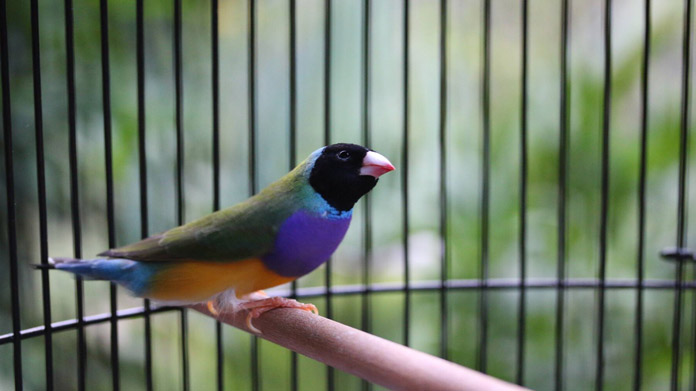
A commercial aviary raises exotic birds for resale. A bird breeder also known as an avian breeder, can run a small, backyard aviary with only one breeding pair by themselves, or may operate a multi-million dollar purpose-built aviary with dozens of employees. A commercial aviary can sell retail to individual customers or run a breeding program to sell wholesale to established pet stores.
Our guide is in 3 parts:
The costs of starting a commercial aviary business vary depending on the size and type of operation you have in mind. The expense of setting up a small scale backyard commercial aviary breeding a single pair of parakeets is much less than a large aviary breeding exotic birds, but the possibility of turning a profit with a larger facility is much more realistic.
At the least, you will need at least to purchase one healthy breeding pair, two or three good sized cages, a nesting box, a brooder, hand feeding tools, food, and other supplies. This is besides the most costly part of raising birds: the avian vet.
A license: The requirements for raising birds for profit depends on your state. Most states in the US place limits on the type and number birds you can raise without a license. Licenses normally cost around one hundred dollars and are good for multiple years before needing renewal.
A breeding pair: A good breeding pair can cost several hundred dollars to tens of thousands of dollars. It all depends on the species, the quality of the breeders, and the ages of the breeders.
A nesting box: You can find nesting boxes for less than one hundred dollars online.
A cage: Cages can range from less than one hundred dollars to thousands depending on the size. If your cage is outside, you will have to add the cost a heater and shade covering.
Food: Food should not cost over one dollar a day per bird. Make sure you buy quality food formulated specifically for breeders of the same species. Bowls, water dispensers, hand feeding tools, and treats are also part of the food expense but have only a nominal cost.
A brooder: A complete store-bought brooder box can cost over five hundred dollars, but if you have basic carpentry skills, you can make your own brooder for less than one hundred bucks.
An avian vet: This is the highest ongoing cost associated with raising birds. A quality avian vet charges hundreds of dollars for a typical check-up and serious injuries or illnesses can wind up costs thousands in vet bills.
The biggest ongoing expenses are vet bills, food costs, and electricity.
Depending on the size of the commercial aviary, the best customers are individuals looking to purchase a bird as a pet or large pet shops looking to buy birds in bulk. While retail customers will pay more for each bird, retail selling requires spending much more on marketing to locate customers.
A commercial aviary makes money by selling birds to individuals and pet stores.
The sale price for birds depends on the species, whether a bird is hand raised, the local market, and how much your customer will pay.
A bird breeder can earn between $18,000 – $57,000 a year according to the US Department of Labor.
Commercial aviaries have the ability to earn more money by selling food and supplies to people who already own birds. There is additional money for people who are willing to care for customers’ birds when they are out of town.
There is always something to do when you raise birds commercially. Breeders constantly need to clean cages and nest boxes, feed and water their birds, act as a nursemaid for new hatchlings, take care of the birds’ medical needs, and order supplies. All of these tasks are in additional to the normal day-to-day requirements of running any type of business such as accounting and marketing.
Running a successful commercial aviary requires the operator to have a wide range of skills from avian nutrition to medical care for birds. In addition, owners of a commercial aviary need to have basic business skills such as accounting and marketing. Some states require breeders of certain species or commercial aviaries which sell over a certain number of birds per year to acquire a license.
The demand for birds as pets rises and falls, but because keeping a bird is more expensive than caring for other types of pets, the demand for pet birds is currently low. As the economy continues to recover, there should be more of a demand for birds.
Start small and slow, even if you eventually plan on running a large-scale operation. Raising birds for profit is difficult, and it makes no sense to rush into the venture without testing it out beforehand.
New cages are much more preferable to old cages or retrofitting a structure into housing for birds. Viruses and bacteria can live for a long time even after cleaning, so keep your birds healthier by avoiding exposing them to old cages or structures.
Although it is best to start small, there may come a time when you can’t handle all the work by yourself. At this point, it seems logical to hire employees. But due to the slim profit margins, it may make more sense to attract free help through a local high school, bird group, or college. Large-scale operations with healthier profit margins may still wish to hire part-time workers to save on salaries.
Business Evaluation & Strategy Tool
We'll walk you through the four pillars every business needs: Points of Leverage, Marketing Strategy, Financial Model, and Personal Compatibility. At the end you'll see a personalized report and your action plan below will be tailored to your answers.
Every viable business has natural advantages. Below are common leverage points across four categories. Pick the ones that apply to your Commercial Aviary business. We've pre-suggested a few based on your idea — review and adjust.
Without a way to connect with customers, even great businesses fail. Pick the channels you plan to use to reach your customers.
Enter your monthly baseline costs — the minimum overhead to keep the business running. Then we'll calculate how many sales per month you need to break even.
A business that doesn't fit your life will fail no matter how good the numbers look. Tell us how this business fits you.
Complete the four pillars and your personalized summary will appear here.
Nine concrete steps to take you from idea to open business, grouped into 30-day phases. Complete the planner above and we'll highlight what's most important for your situation.
An LLC keeps your personal assets separate from business debts and lawsuits — the most common reason small business owners choose this structure. Sole proprietorships and partnerships do not provide this protection.
Apply for your free Employer Identification Number through the IRS, then register for any state or local taxes that apply to your business (sales tax, franchise tax).
A dedicated business account is required to maintain personal asset protection. Mixing personal and business finances ('piercing the corporate veil') can void your LLC's liability shield.
Recording expenses and income from day one makes tax filing easier and lets you see when the business is actually profitable. Use software (QuickBooks, Wave) or a part-time bookkeeper.
State and local requirements vary widely. Brick-and-mortar businesses typically need a Certificate of Occupancy; service businesses may need specific professional licensing; food businesses need health permits.
General Liability Insurance is the most common starting point. If you'll have employees, most states require Workers' Compensation. Specific industries need additional coverage (product liability, professional liability, etc.).
Your brand is how customers perceive and remember you. A clear name, logo, and visual identity make every later marketing decision easier and protect you legally as you grow.
Every legitimate business needs a website. Social media pages are not a substitute — you don't own the platform. Modern website builders mean you can launch a clean site in a weekend without a developer.
A dedicated business number keeps your personal life private, makes the business look legitimate, and lets you route calls professionally. Cloud phone services start under $20/month.
Starting a Commercial Aviary business typically costs $10,000 to $50,000. It is considered a high capital-intensity business.
A Commercial Aviary business runs roughly a 22% net profit margin, and most owners reach break-even in about 4 to 12 months.
You can usually launch a Commercial Aviary business in about 12 to 36 weeks, and it is commonly run part time.
A Commercial Aviary business is generally an intermediate-skill business to start, with stable demand. TRUiC rates it 65 out of 100 on our Idea Score.
Most Commercial Aviary businesses register as an LLC or other legal entity and obtain a general business license. Depending on your state and city you may also need industry-specific permits, sales tax registration, and zoning or health approvals, so check your local requirements before you launch.