Startup cost
$5k–$15k
TRUiC Business Ideas
Decision Snapshot
Idea Score
62
Startup cost
$5k–$15k
Profit margin
18%
Break-even
4 mo–12 mo
Time to launch
12 wk–36 wk
Demand trend
Stable
5-yr failure rate
—
Capital intensity
Medium
Time commitment
Full time
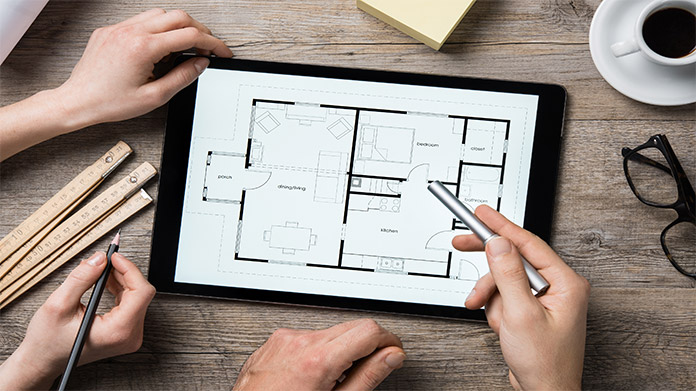
Architecture firms may work for local, state, or national governments or for private companies that want to build buildings. They are engineering as well as design-driven and must solve many complex problems related to building structure as well as aesthetics. This business is needed today as competition in the country drives the need for expansion of infrastructure, business and, ultimately, new buildings and structures.
Our guide is in 3 parts:
Costs to start an architecture firm vary. You can start from home for about $5,000. Renting a professional office will cost between $300 and $1,500 per month. A computer will set you back about $2,000. Design software costs up to $1,200. Something like Draftsight is free, while AutoCAD LT will have an upfront cost.
A printer will cost between $100 and $500. Plotter will cost up to $2,000.
Ongoing expenses for running a firm are minimal and essentially include just utilities and replacement computers as needed.
Ideal customers are large clients with deep pockets. Some of the best clients for an architecture firm will be local and state governments. Alternatively, a large company that needs extensive planning and design work done will be an excellent client.
The worst or non-ideal clients are those that have relatively small or multiple overlapping projects where the architecture firm will not be able to complete the entire project due to scheduling conflicts. These types of projects are usually designed to be taken on by multiple firms so that no one firm has control over a single project. However, they also make it difficult to profit from the work.
Architects make money by charging a fee for designing buildings, permanent and temporary structures, and for design consultations on construction projects. Some architecture companies also assist civil engineers on city planning.
Architecture firms charge clients one of several ways and, depending on the number and skill level of the architects you have working for you, the fees can vary considerably.
The principal of the organization can make $135-$175 per hour. Project managers earn up to $100 per hour. An Intern Architect II with up to 8 years experience can earn up to $80 per hour. Intern Architect I with between 3 and 5 years of experience can earn $65 per hour.
Overall, fees range from $60 to over $100 per hour for a typical residential project. If the firm charges a fee as a percentage of the total project cost, this will range from between 15% to 20%. If the firm wants to charge per square foot of the project, then anywhere between $0.75 and $4 per square foot is reasonable. The exact per-square-foot charge depends on location and local market rates.
Profit targets vary by company and location, but generally, a firm should be able to achieve a 15% to 20% or more profit margin.
Making the firm more profitable usually involves partnering with larger firms, working more closely with contractors, and increasing the firm’s advertising budget.
Day-to-day activities of the company include designing for new projects and meeting with construction crews on current projects. Some architectural firms are very involved with the construction side of a project while others focus primarily on design.
Answering emails is also a big part of the job. Clients today often relay messages and send project details as email attachments. Another aspect of the job is meeting minutes and managing project scope. Because some clients may attempt to exceed the scope of their project, the architectural firm needs to maintain scope integrity and become de facto project managers.
Architecture firms need skilled architects and a strong marketing department to make money. In short, they need design talent, engineering ability, social awareness for new LEED projects, legal knowledge and awareness for designing under current building codes, and business aptitude.
While you do not need a degree, it helps.
Educational programs vary, but in general cover several aspects of engineering with varying levels of expertise attained with each degree or certification.
Get a professional degree from an accredited institution, like the National Architectural Accrediting Board (NAAB). These degrees include Bachelor of Architecture (BArch) and Master of Architecture (MArch) degrees.
The BArch is given to students who have studied for at least 5 years in an accredited architecture school. High school graduates who haven’t earned an undergraduate can apply, however. You will need “core” classes to get this degree, like math, social science, science, and humanities.
The MArch for Students With a Non-Architecture Bachelor’s Degree is given to students who have undergraduate degrees in other disciplines but want to switch to architecture. It takes 3 to 4 years to earn their professional MArch this way.
The MArch for Students With a Pre-Professional Bachelor’s Degree allows students to earn pre-professional degree in architecture like a Bachelor of Science or Bachelor of Arts in Architecture or in Architectural History. From there, you may apply to a MArch program to get your degree in architecture.
You can start an architecture firm with just one employee: yourself. However, some firms hire as many architects as they can afford so that their company can take on additional and larger projects. A larger firm may also partner with smaller firms to take on large projects and to remain flexible.
Hire interns. They are great for reducing the amount of busywork in the office. As long as you’re not using interns as unpaid employees and following IRS guidelines, you’ll avoid violating minimum wage laws. Work for another firm before starting your own or hire a mentor. Work with a contractor and build a house. Every architecture firm dreams of landing a big corporate client. However, when you’re first getting started, it helps to understand the basics of construction and the best way to do that is to work on jobsites with developers building residential homes.
Building a team isn’t necessary if you want to remain small. However, if you want to grow your firm, you should hire as many architects as you can afford as soon as you can afford them. Since design and marketing drive your business, focus on these two departments first.
Business Evaluation & Strategy Tool
We'll walk you through the four pillars every business needs: Points of Leverage, Marketing Strategy, Financial Model, and Personal Compatibility. At the end you'll see a personalized report and your action plan below will be tailored to your answers.
Every viable business has natural advantages. Below are common leverage points across four categories. Pick the ones that apply to your Architecture business. We've pre-suggested a few based on your idea — review and adjust.
Without a way to connect with customers, even great businesses fail. Pick the channels you plan to use to reach your customers.
Enter your monthly baseline costs — the minimum overhead to keep the business running. Then we'll calculate how many sales per month you need to break even.
A business that doesn't fit your life will fail no matter how good the numbers look. Tell us how this business fits you.
Complete the four pillars and your personalized summary will appear here.
Nine concrete steps to take you from idea to open business, grouped into 30-day phases. Complete the planner above and we'll highlight what's most important for your situation.
An LLC keeps your personal assets separate from business debts and lawsuits — the most common reason small business owners choose this structure. Sole proprietorships and partnerships do not provide this protection.
Apply for your free Employer Identification Number through the IRS, then register for any state or local taxes that apply to your business (sales tax, franchise tax).
A dedicated business account is required to maintain personal asset protection. Mixing personal and business finances ('piercing the corporate veil') can void your LLC's liability shield.
Recording expenses and income from day one makes tax filing easier and lets you see when the business is actually profitable. Use software (QuickBooks, Wave) or a part-time bookkeeper.
State and local requirements vary widely. Brick-and-mortar businesses typically need a Certificate of Occupancy; service businesses may need specific professional licensing; food businesses need health permits.
General Liability Insurance is the most common starting point. If you'll have employees, most states require Workers' Compensation. Specific industries need additional coverage (product liability, professional liability, etc.).
Your brand is how customers perceive and remember you. A clear name, logo, and visual identity make every later marketing decision easier and protect you legally as you grow.
Every legitimate business needs a website. Social media pages are not a substitute — you don't own the platform. Modern website builders mean you can launch a clean site in a weekend without a developer.
A dedicated business number keeps your personal life private, makes the business look legitimate, and lets you route calls professionally. Cloud phone services start under $20/month.
Starting an Architecture business typically costs $5,000 to $15,000. It is considered a medium capital-intensity business.
An Architecture business runs roughly a 18% net profit margin, and most owners reach break-even in about 4 to 12 months.
You can usually launch an Architecture business in about 12 to 36 weeks, and it is commonly run full time.
An Architecture business is generally an intermediate-skill business to start, with stable demand. TRUiC rates it 62 out of 100 on our Idea Score.
Most Architecture businesses register as an LLC or other legal entity and obtain a general business license. Depending on your state and city you may also need industry-specific permits, sales tax registration, and zoning or health approvals, so check your local requirements before you launch.